The Bombay High Court has dismissed a case brought by a 54-year-old man seeking a mental health assessment from his 78-year-old father, a retired IAS officer, saying that the proceedings against the elderly man were malicious. The court also ordered the son to pay ₹5 lakh to his father and termed his conduct as a “pernicious attempt” to drag a senior citizen into frivolous litigation.
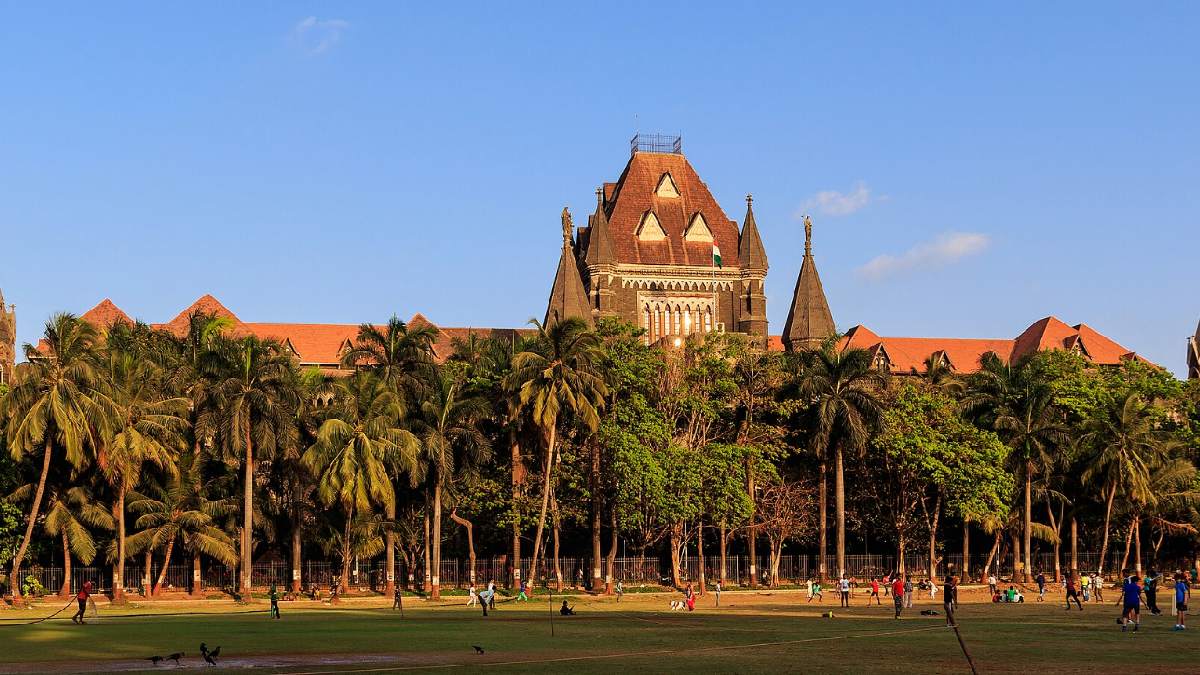
A division bench of Justices A S Gadkari and Kamal Khata rejected the son’s appeal against an earlier order passed by a single judge in February. The single judge had rejected the son’s request for the constitution of a medical board under Section 105 of the Mental Healthcare Act, 2017, to examine his father’s mental condition.
The dispute went on for many years between the father and son. He had filed a suit in 2015 demanding partition of the coparcenary ancestral property in Andheri. The case is ongoing. In December 2025 he made an interim application before the High Court for a medical examination of his father, saying that the elderly man was mentally ill and unfit to participate in legal proceedings.
To defend his application, the son relied on a medical certificate in July 2024. His father was diagnosed with diabetes and had recurring episodes of hypoglycemia associated with cognitive symptoms; it said. The episodes could lead to confusion, forgetfulness, delusions and perspiration following insulin administration, the certificate stated.
But the division bench said the medical certificate itself showed that the symptoms were temporary. The judges observed that episodic and reversible symptoms caused by an underlying metabolic condition could not at least on principle be seen as evidence of mental illness. The court therefore agreed with the earlier finding that the material produced by the son did not justify the requested examination under the Mental Healthcare Act.
The judges also noted the timing of the son’s application. They noted that similar issues about the father’s mental capacity had not been raised by the son before another division bench of the High Court in proceedings for his eviction from the father’s property under the Maintenance and Welfare of Parents and Senior Citizens Act, 2007.
The court noted that the same July 2024 medical certificate relied upon by the son was already part of the record in the eviction proceedings. Despite this, the application seeking a medical board examination was made shortly before the other division bench delivered its order in the eviction matter.
The division bench agreed with the single judge’s conclusion that the application appeared to be an “instrument of litigation strategy” being used against the elderly father. The judges stressed that the Mental Healthcare Act was enacted to protect people suffering from mental illness and should not be used as a legal weapon by an opposing party in a dispute.
The son’s conduct could not be tolerated, the court ruled, because the proceedings involved his aged father who was already ill, it said. The judges said the attempt appeared to be an afterthought and a malicious proceeding intended to subject the elderly man to multiple legal proceedings until he consented to his son’s demands.
The court’s observations also highlight the need to safeguard senior citizens from unnecessary and perhaps oppressive litigation. The bench’s order to impose ₹5 lakh in costs was a strong message against what it saw as an improper use of legal proceedings to pressure an elderly family member.
The son has previously questioned his father’s mental competence over several civil and criminal disputes between them. He also alleged that his father lived separately with his stepmother (who is a doctor) and that she prevented him from accessing the elderly man.
The latest ruling is a further setback for the son’s bid to seek a court-ordered mental health examination of his father. The High Court’s ruling reinforces the principle that legal safeguards for vulnerable people cannot be casually used to promote a private property or family dispute.
This case also underscores the court’s attention to the situation and timing with regard to applications regarding the mental capacity of elderly litigants. In this case, the court found that the medical evidence presented by the son did not show mental illness and that the application was connected to the larger and long-standing property and family dispute.