Surendra Koli, who was convicted in connection with the infamous Nithari killings case that came to light in 2006, has died by suicide in Haridwar, according to news. Koli’s death is another step in one of the most closely watched criminal cases in India’s recent history.
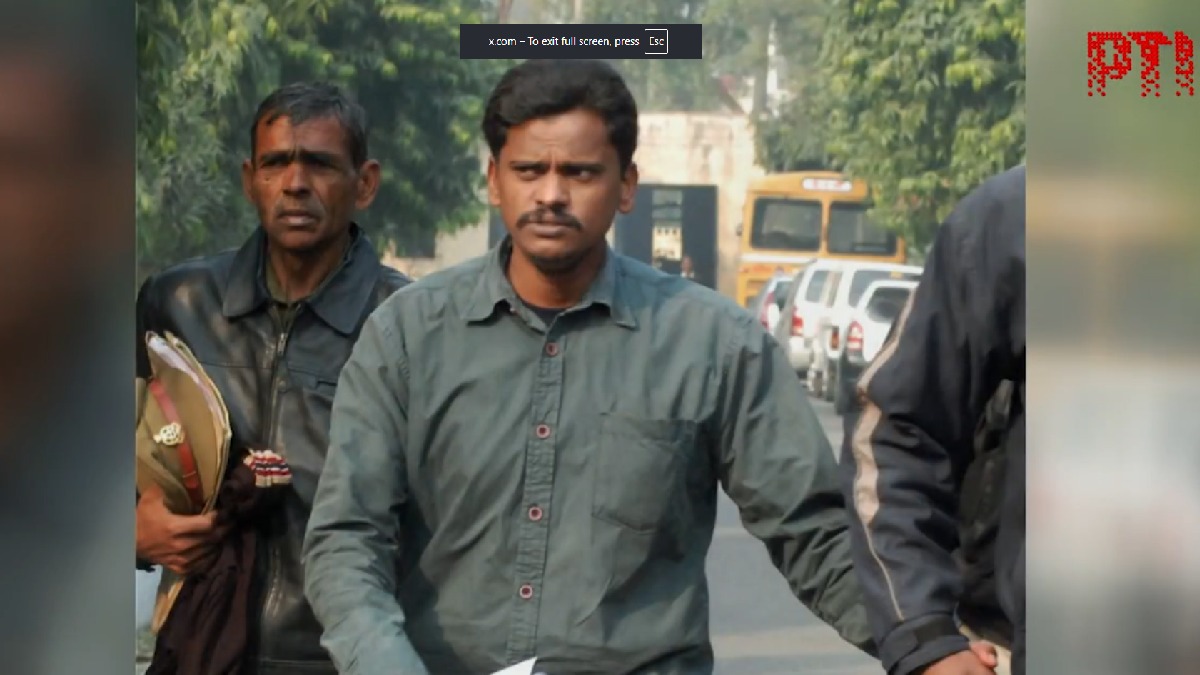
Koli was in prison for years for the killings and had several convictions and death sentences in cases associated with the Nithari murders. The case, which was in Nithari village in Noida, Uttar Pradesh, involved the recovery of human remains near a house in Sector 31 in December 2006.
The discovery triggered a huge investigation and generated widespread public attention. There were allegations of multiple murders and sexual crimes and Koli and businessman Moninder Singh Pandher were convicted in different cases as a consequence of the investigation.
Nithari Killings Case Came to Light in 2006
The Nithari case came to public attention when human remains were found near a house that Pandher lived in Noida. Finding the remains led investigators to probe a series of disappearances and allegations of victims from the surrounding area.
The investigation resulted in criminal cases against Koli and Pandher. Koli was convicted by trial courts in some cases and sentenced to death in some of them. Proceedings went through all the stages of the Indian judicial system for years.
The case was as serious as it was because the allegations were so big and because of the investigation and prosecution.
Supreme Court acquitted Koli in multiple cases
The legal history of the Nithari case took a major turn in 2023 when the Supreme Court acquitted Koli and Pandher in several cases. The top court raised serious concerns about the prosecution’s evidence and the way in which the cases had been established.
The Supreme Court intervened and acquitted Koli in many cases where he had been sentenced to death. The court’s ruling helped to shape the long-running legal process surrounding the Nithari killings.
The acquittals did not erase the history of the case, but they changed the legal position of the accused in the cases covered by the judgments.
Koli's Long Legal Battle
Koli went into custody many years as the courts weighed the cases against him. He had the trial court convictions, appeals before higher courts and repeated proceedings regarding the death penalty.
Nithari also became more than just a story for the media as there were so many cases investigated by authorities after they discovered remains.
The Supreme Court’s 2023 judgments were significant in that they examined the prosecution’s arguments and whether they were sufficient to support the convictions. The court did give the accused relief in the cases before it.
Death in Haridwar
Koli has now died by suicide in Haridwar, sources said. Details of the incident and the circumstances leading up to his death are under investigation.
VIDEO | Haridwar, Uttarakhand: Surendra Koli, an accused in the Nithari case, was found dead in the Bhupatwala area. Police said he allegedly died by suicide.
— Press Trust of India (@PTI_News) September 18, 2026
Koli had reportedly been living in Bhupatwala and running a tea stall for the past few days.
Police reached the spot,… pic.twitter.com/9AYUkXh6Eb
The death will be investigated as part of the procedure of a normal investigation. Unless there’s a public record, the authorities should be careful about saying what exactly happened and likely what led to the suicide.
Koli's death comes years after the Nithari killings first made national headlines and after the Supreme Court intervened in the cases against him.
Nithari case still remains an enormous criminal investigation
Nithari killings remain one of the most prominent criminal investigations in Noida and Uttar Pradesh in the 2000s. The discovery of human remains in 2006 led to an investigation involving multiple missing persons and a lengthy legal process.
Even with the Supreme Court’s acquittals, the case was still a topic of discussion, in light of questions about the investigation and evidence.
With Koli’s death now reported in Haridwar, this is the latest chapter in the history of a case which has not been forgotten for almost two decades. Details about the cause of his death are pending from the government.