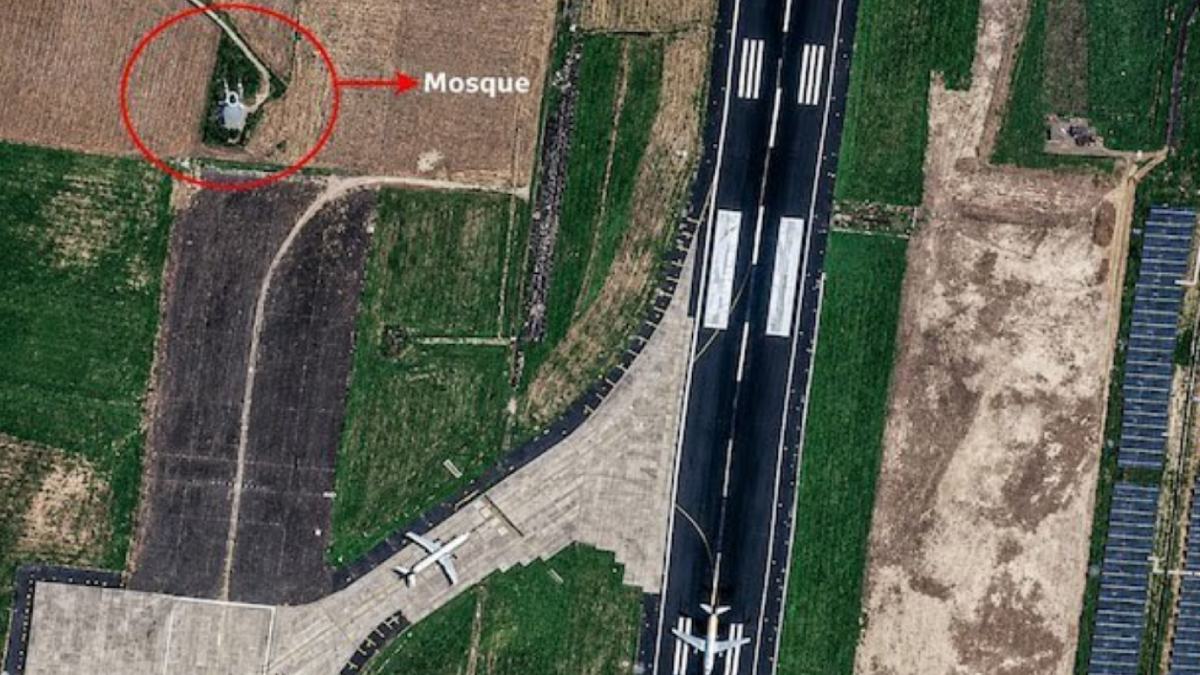
The decision to ban public access to Gauripur Jama Masjid (the Bankra Mosque) located inside Netaji Subhas Chandra Bose International Airport, Kolkata has stirred a debate across West Bengal and beyond.
West Bengal Chief Minister Suvendu Adhikari said in his reaction that “national security is supreme” and that a very important international airport in India must be the first priority. There have been increasing protests over the suspension of entry passes for worshipers, and also the long-standing issue of public access to the mosque, which is within the airport’s operational area.
The Bankra Mosque is estimated to be over 130 years old, long before the airport itself was built. For years, special entry was provided to the mosque for worship. Public access to the mosque was halted recently by airport officials under elevated security levels because of concerns about unrestricted movement in a high-security aviation zone.
The Chief Minister Adhikari told us that the airport is a strategically significant place and of great geopolitical significance, so it cannot be left open to unauthorized visitors, he said. Security of critical infrastructure is a responsibility of the government and it has to be kept with our national security and airport security as the first priority.
Also the Chief Minister said that restrictions should not be seen as an attempt to interfere with religious practices but rather as an instrument to protect sensitive infrastructure.

International airport security experts say international airports are governed by aviation security protocols. Public access to operational zones is tightly controlled to avoid unauthorized entry and minimize potential risks. Security agencies review access arrangements regularly, to keep up with changing safety standards and threat assessments. Any changes to entry procedures are taken into account from an operational and security perspective, they say.
The issue has received mixed responses from representatives of politicians, local people and community members. Some think that the mosque’s historical significance and long-standing presence should be taken into account when planning the future. But no place of worship, regardless of its history, should compromise the security of a major international airport, some argue. Many people have suggested that airport authorities, religious representatives, and government officials need to work together to find solutions that respect heritage and public safety.
The whole situation has revived discussions about the future of the mosque and whether relocation could eventually be an aspect of airport expansion and modernization plans. Airport redevelopment plans have for some years considered structures close to the operational areas, especially those close to the secondary runway, the report said. There has not been any official decision on the move, and any such initiative would need legal approval, consultation with stakeholders and appropriate compensation from the owners of the property which is to be made.
Civil aviation experts in the world insist that security measures at airports are constantly being improved in response to new threats. International airports serving international flights have to conform to strict safety regulations of passenger screening, restrictions on access, monitoring and perimeter security and security measures. A strict control of access to airport areas is essential for the safety of passengers, airline operations, airport staff and the entire country’s infrastructure, authorities say.
The debate around the Kolkata airport mosque highlights the bigger issue of heritage preservation, religious access and national security. And while opinions are divided, most stakeholders agree that decisions regarding critical infrastructure should be in the best interest of the public and the rights of all the communities.
As discussions are ongoing airport authorities and the state government will also have to meet with the relevant stakeholders to make sure that future decisions are made transparently and in accordance with the law. For now there is still a ban on public entry and the government says that safeguarding a strategically important international airport is the most important to them.