Tamil Nadu Chief Minister C. Joseph Vijay has once again underscored the importance of the Tamil language, declaring that “Tamil is not just a language; it is our life.” The statement reflects the state government's continued emphasis on protecting Tamil identity, preserving cultural heritage, and strengthening the role of Tamil in education, governance, and public life. The Chief Minister's remarks have resonated strongly across the state, where the language is deeply intertwined with history, culture, and social identity.
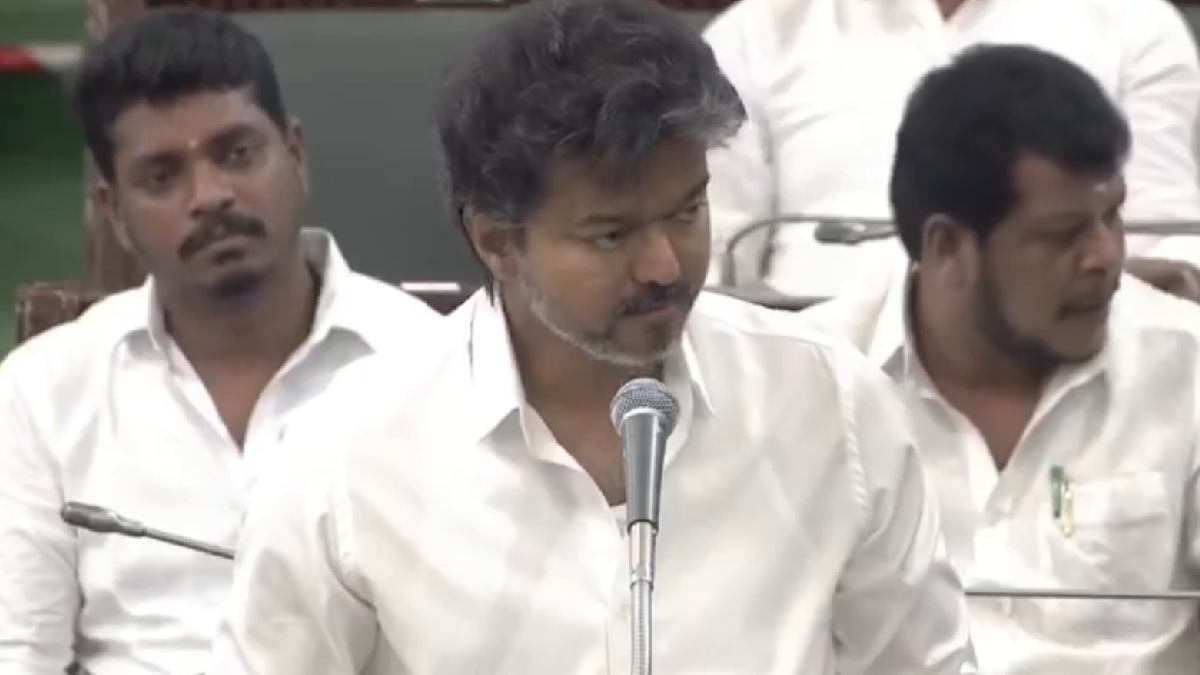
Vijay's comments come amid renewed discussions on language policy and cultural preservation in Tamil Nadu. Since assuming office in May 2026, the Chief Minister has consistently highlighted the significance of Tamil as more than a medium of communication, describing it as a symbol of the state's civilisation, traditions, and collective consciousness. His administration has repeatedly emphasised the importance of promoting Tamil while ensuring access to English as a global language.
The Chief Minister recently introduced a resolution in the Tamil Nadu Assembly seeking to make the singing of Tamil Thai Vazhthu, the state's official anthem, mandatory at the beginning of all government functions and official events. While presenting the resolution, Vijay described the mother tongue as being as pure and sacred as one's mother, a sentiment that received support from major political parties across the state. The resolution was backed by both ruling and opposition members, highlighting the broad consensus on preserving Tamil culture and heritage.
For decades, Tamil Nadu has played a leading role in advocating linguistic rights and resisting attempts to diminish the status of regional languages. The state's political and social movements have long emphasised the importance of Tamil in public administration, education, and cultural expression. Vijay's statement aligns with this legacy and reflects the sentiments of millions of Tamil-speaking people who view the language as a cornerstone of their identity.
Supporters of the Chief Minister argue that his emphasis on Tamil goes beyond symbolism. The government has spoken about strengthening Tamil-medium education, increasing the use of Tamil in governance, and supporting digital tools and technologies that make the language more accessible in the modern era. The administration's broader language policy envisions Tamil as the primary language of communication between citizens and the government while also promoting English as a tool for higher education and global opportunities.
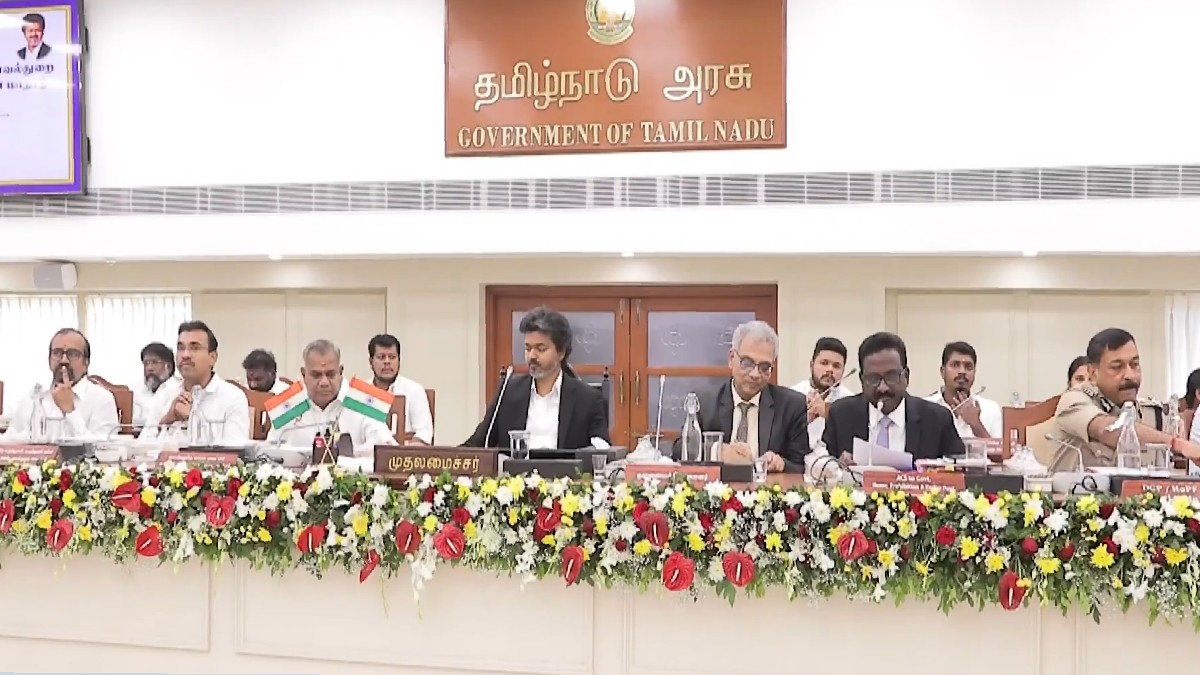
Tamil is not just a language it is our life - Chief Minister Joseph Vijay pic.twitter.com/l67sux94kP
— Vignesh Theni (@Vignesh_twitz) August 10, 2026
Language experts note that Tamil is one of the world's oldest continuously spoken languages, with a literary history spanning more than two millennia. The language remains a source of immense pride for Tamils around the globe, connecting generations through literature, poetry, music, and cultural traditions. Many believe that preserving and promoting Tamil is essential to safeguarding a unique cultural legacy in an increasingly globalised world.
Political observers see Vijay's statement as part of a broader effort to reinforce cultural identity while building unity among the people of Tamil Nadu. Since entering public office, the Chief Minister has frequently referred to social justice, cultural pride, and linguistic heritage as central pillars of his administration's vision for the state.
The declaration that “Tamil is not just a language; it is our life” has generated widespread discussion across social media platforms and among cultural organisations. Many users praised the statement as a powerful affirmation of Tamil pride, while scholars and activists welcomed renewed attention to language preservation efforts.
As Tamil Nadu continues to balance modernisation with cultural preservation, Vijay's remarks highlight the enduring significance of Tamil in shaping the state's identity. For millions of people, Tamil remains more than a language; it is a living heritage, a shared history, and an inseparable part of everyday life.