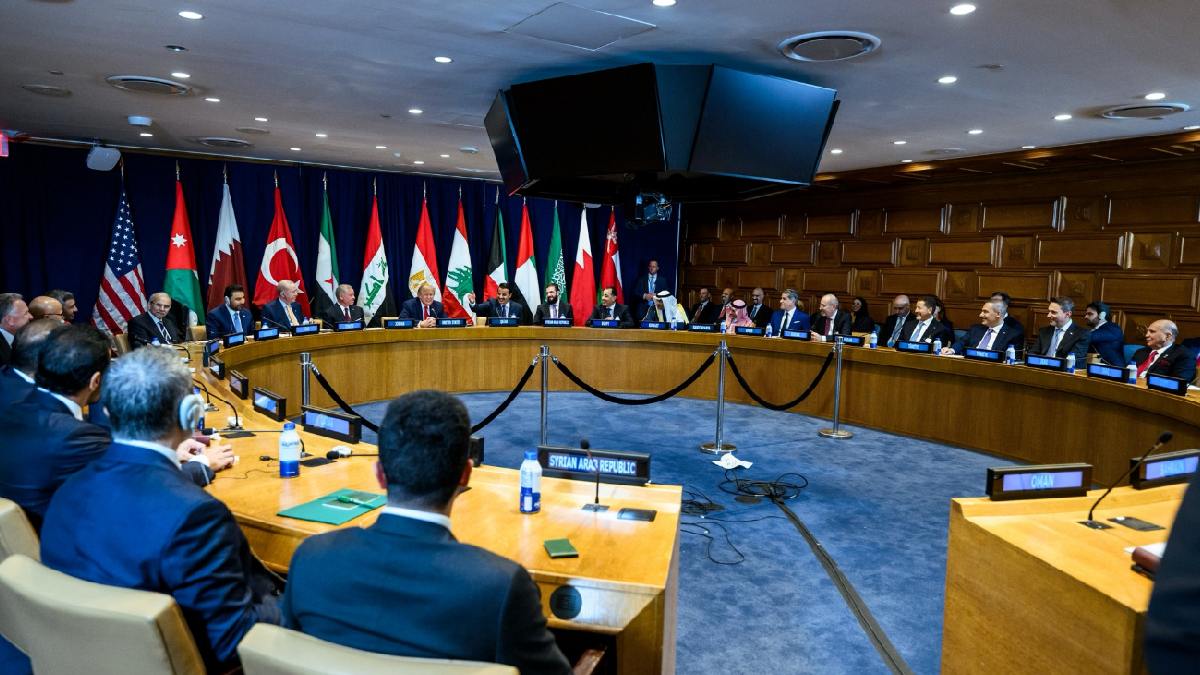
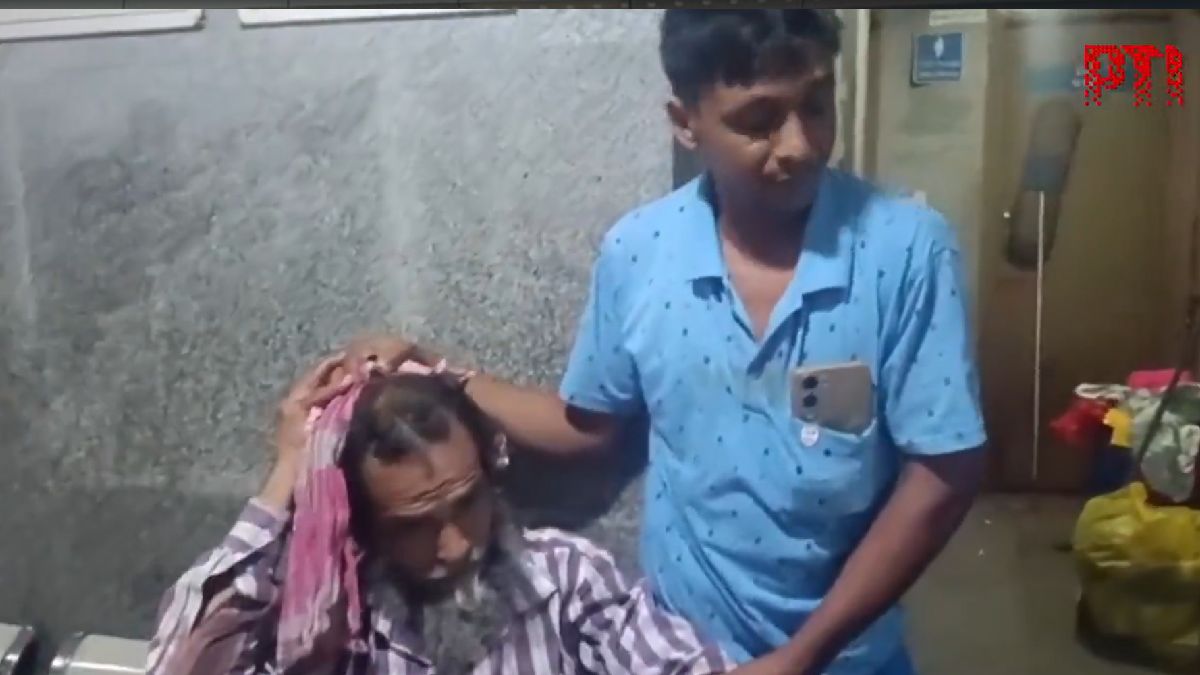
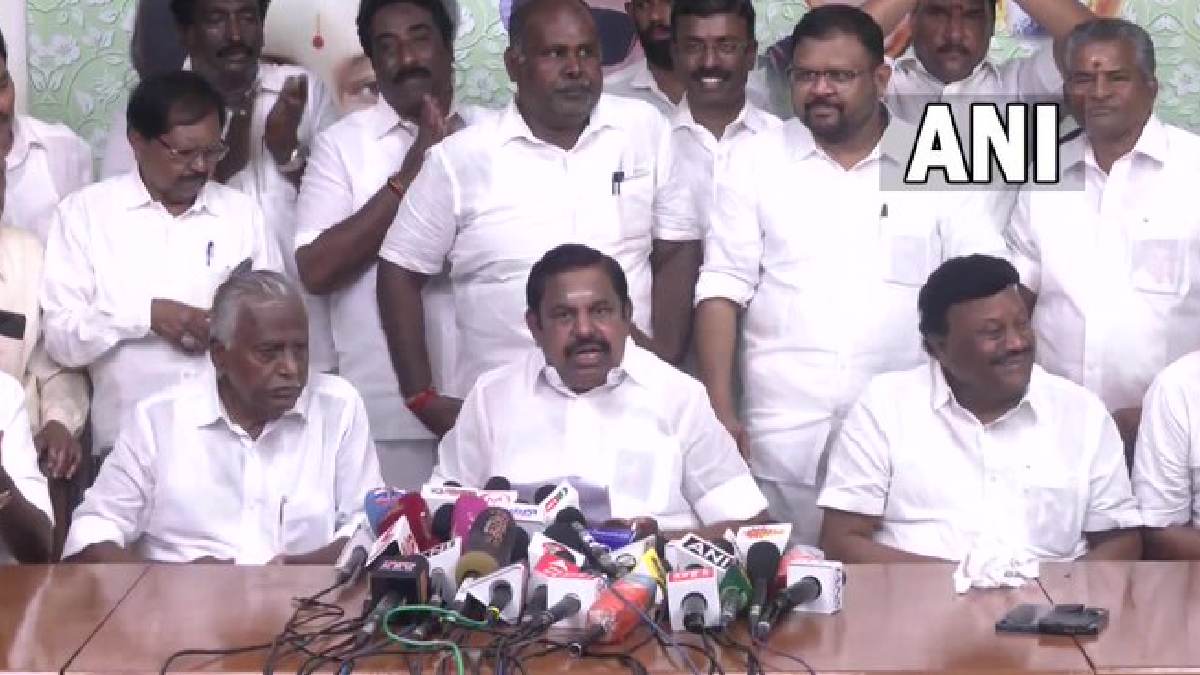
Elections have started for the upcoming important elections in Tamil Nadu and in West Bengal. Polling is held in one phase through all 234 Assembly constituencies in Tamil Nadu. It is widely considered to be a “face-off” of the ruling Dravida Munnetra Kazhagam (DMK, under M. K. Stalin), and the opposition All India Anna Dravida Munnetra Kazhagam (AIADMK).

There are 4,023 candidates, and with more than 57 million registered voters estimated to vote, their franchise needs to be put into effect. Voting will be completed on Thursday, and votes will be counted on May 4. The Tamil Nadu elections are going to be added a twist from actor-turned-politician Vijay, and his Tamilaga Vettri Kazhagam (TVK) is expected to disrupt the dynamics of vote share.
Other national parties, such as the Bharatiya Janata Party (BJP) and the Indian National Congress, meanwhile, are also seeking to consolidate their position through alliances. Meanwhile, in West Bengal, early-phase voting has commenced with a multi-phase poll to vote during the elections.
Elections will be held in the phase of 152 constituencies across 16 districts in North Bengal, South Bengal, and Jangalmahal. The voting is being done in heavy security arrangements to facilitate the elections. Ruling Trinamool Congress (TMC), under chief minister Mamata Banerjee, is seeking to cling to power for a third consecutive term.
But the BJP is aggressively seeking to assert its position in the state, and that is driving its competition even higher. The Congress and Left parties have also banded together, turning the tide of the electoral fight multi-sided. Notwithstanding its current dominance in Tamil Nadu, the DMK has been faced with challenges from AIADMK and other players such as TVK.

Mamata Banerjee, who is still the dominant player of West Bengal, is more a challenge than an ally for the BJP’s ascendancy in the state. Tamil Nadu elections are likely to influence opposition strategies in South India, while the West Bengal results may be critical for determining what power balance the national and regional parties set in eastern India. The public’s attention is now on the results, due on May 4.