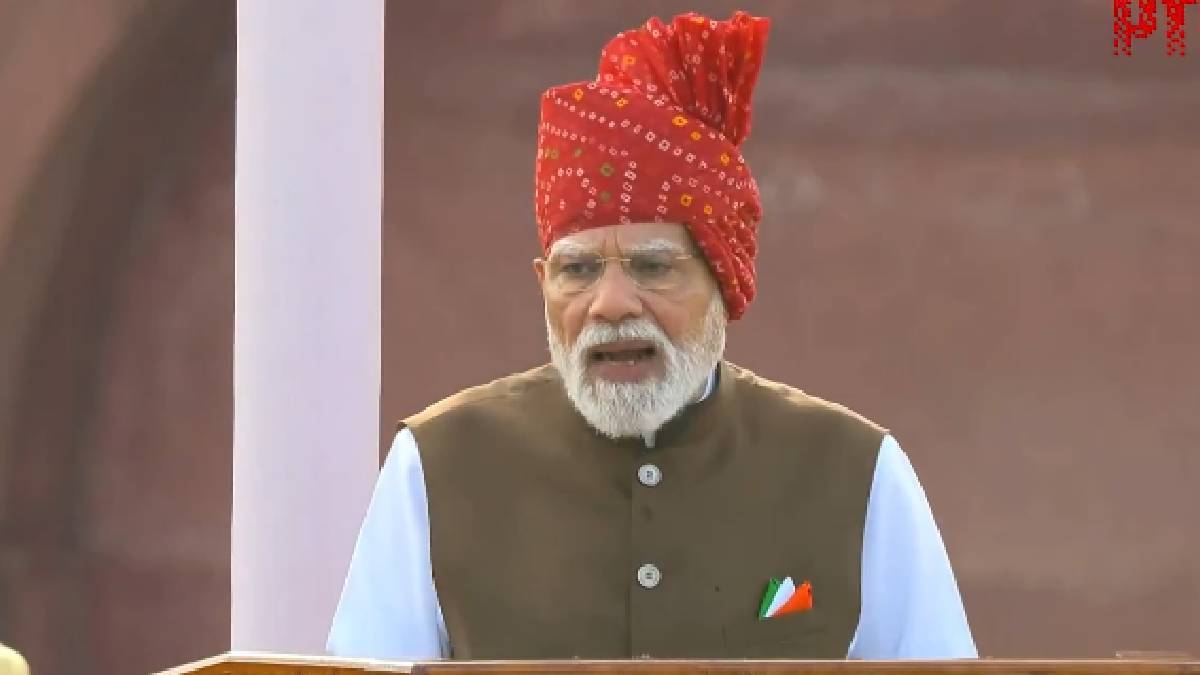
Vijay’s Tamil Nadu government is imposing a “serious ban” on the sale of alcohol to those under 21 years. It is widely considered one of the most important social policy measures the new government has taken to address youthful alcoholism and addiction in the state.
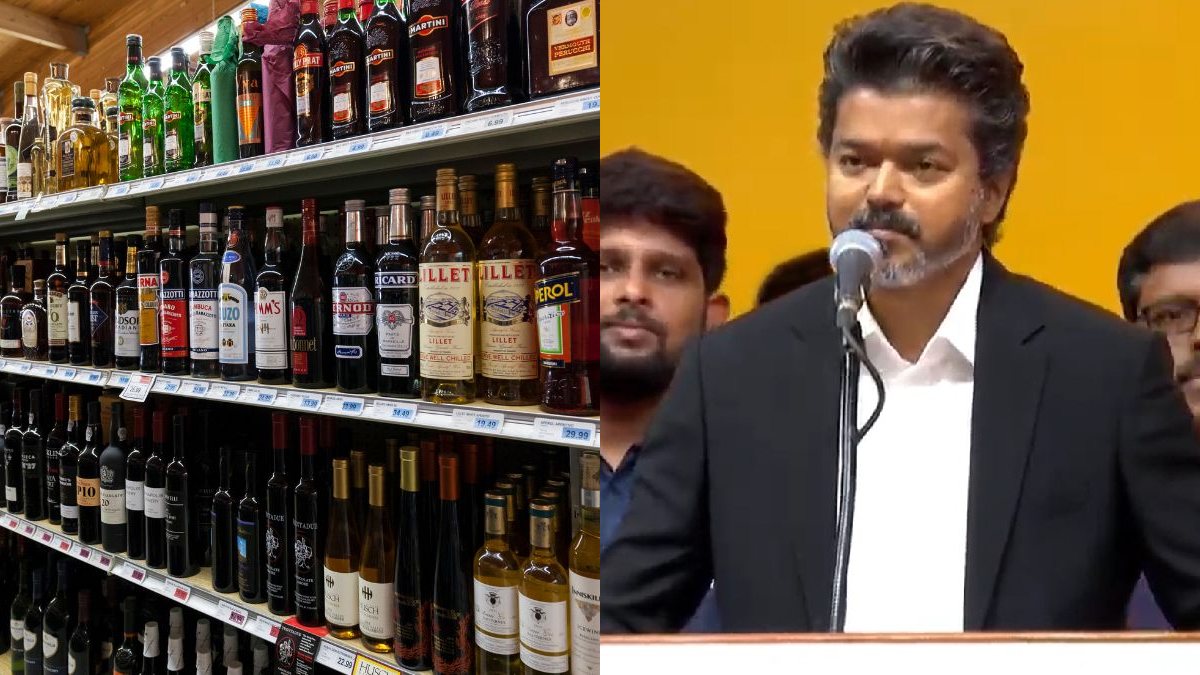
The new regulation prohibits shops from selling alcohol to anyone under 21 in the state’s TASMAC network. TASMAC stores must, authorities said, make stricter checks on the eligibility of minors to drink alcohol. Liquor vendors were also advised to verify that the age proof is strictly visible before selling alcohol.
Vijay’s government said this move was implemented to stop young people from being hooked on alcohol and to stem the surge in concern about students and young people abusing drugs. It is also the controversy of the announcement that is being roiled up all over Tamil Nadu. As supporters of the change explained, tightening the age limit will reduce alcohol dependence in young people and improve their health later on.
But opponents of the rule and some critics questioned their effectiveness in making sure that a law came down with its implementation, and liquor stores were present across the state. Fake IDs or illicit channels for obtaining alcohol have also been a concern in Tamil Nadu.
TASMAC employees and law enforcement institutions in Tamil Nadu are promised to receive detailed operational instructions from the Tamil Nadu government as to what kinds of checks and penalties for violations will be used, as well as what features of surveillance operations are covered.

Those who break the rule could face serious penalties that could include licensing suspensions and hefty penalties, officials said. The move follows on the heels of the ongoing political debates over liquor regulation and prohibition laws and policies in Tamil Nadu. Certain parties had pledged reforms of the sale of alcohol and tougher measures to prevent young people from addiction in election campaigns in the past few years.
They expect the policy to fundamentally change buying behaviour at TASMAC outlets, and this is particularly likely to occur in a highly populated, urbanised TASMAC area with a high pupil population. Public health activists are also demanding parallel awareness campaigns, counselling services, and rehabilitation help to address the problem of alcohol issues simultaneously.
The Vijay government is shown through the reports to be contemplating new reforms of the liquor sector under more extensive social welfare and health plans by the government.