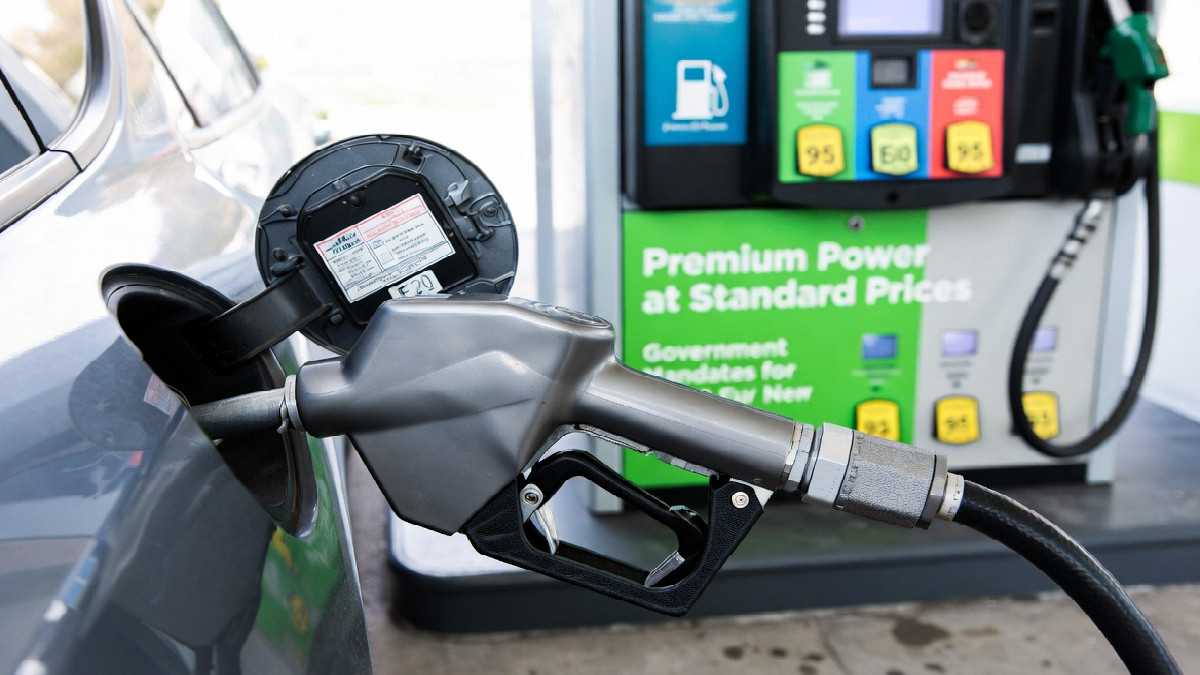
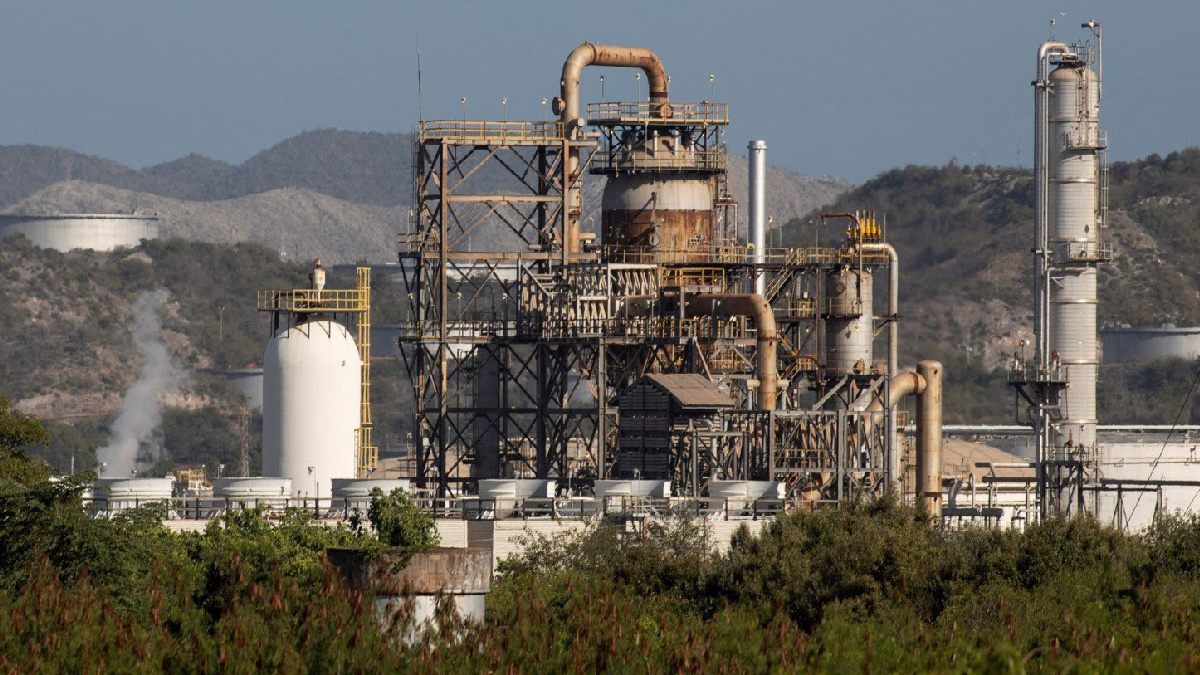
In Karnataka, bulk consumer losses could cause extra strains to the consumer as petrol and diesel prices are anticipated to significantly increase from midnight.
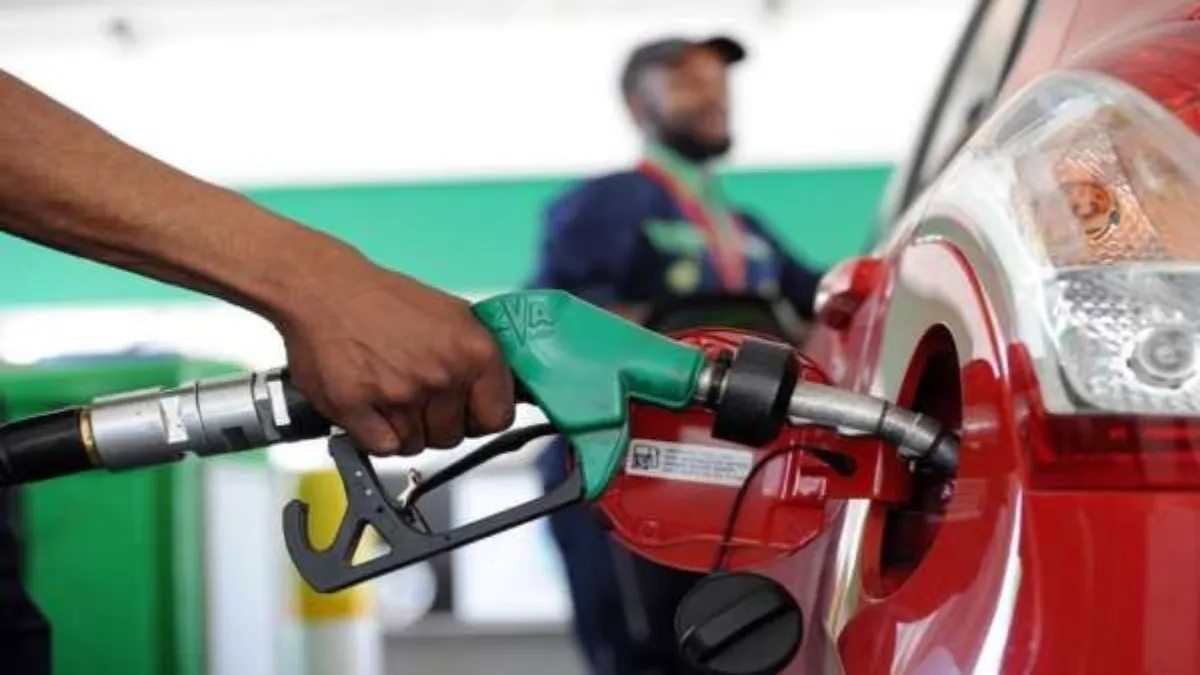
Sources in the service delivery industry added that petrol and diesel could be priced at Rs 4 to Rs 5 per litre in the next few hours, raising worries among the relevant petrol owners, transport operators, and businesses dependent on fuel. A potential increase in fuel prices might not be incremental, but will be done in successive steps with respect to available fueling and market conditions.
The estimated increase is taking place during a period that has seen many petrol bunks in parts of Bengaluru and in the regions close to those districts, which were hit by a shortfall, according to the report. In addition, figures show that petrol companies started to control the amounts of gasoline and diesel they supply fuel stations, sources said.
Petrol bunks are said to be prevented from adding new orders above the normal daily allowance. Fuel supply is now estimated based only on a bunk’s average daily consumption, it’s said. Such a monitored distribution system could result in shortages at certain fuel stations, creating a situation of queues and panic buying from the buying consumers.
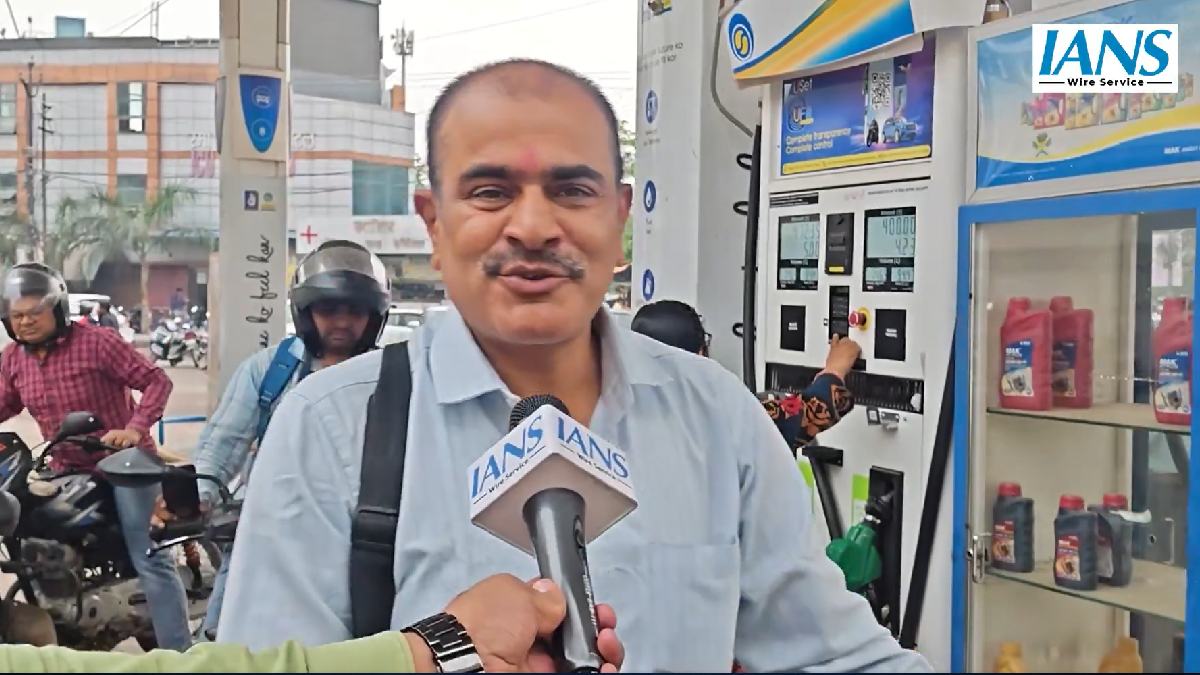
In others, a report indicated a panic among motorists as they raced to refill vehicles because prices and supplies faced potentially skyrocketing overnight. Owners at fuel stations are anxious about the limited allocation model. Many operators said they cannot cope with spikes in customer demand as oil companies ship only fixed volumes.
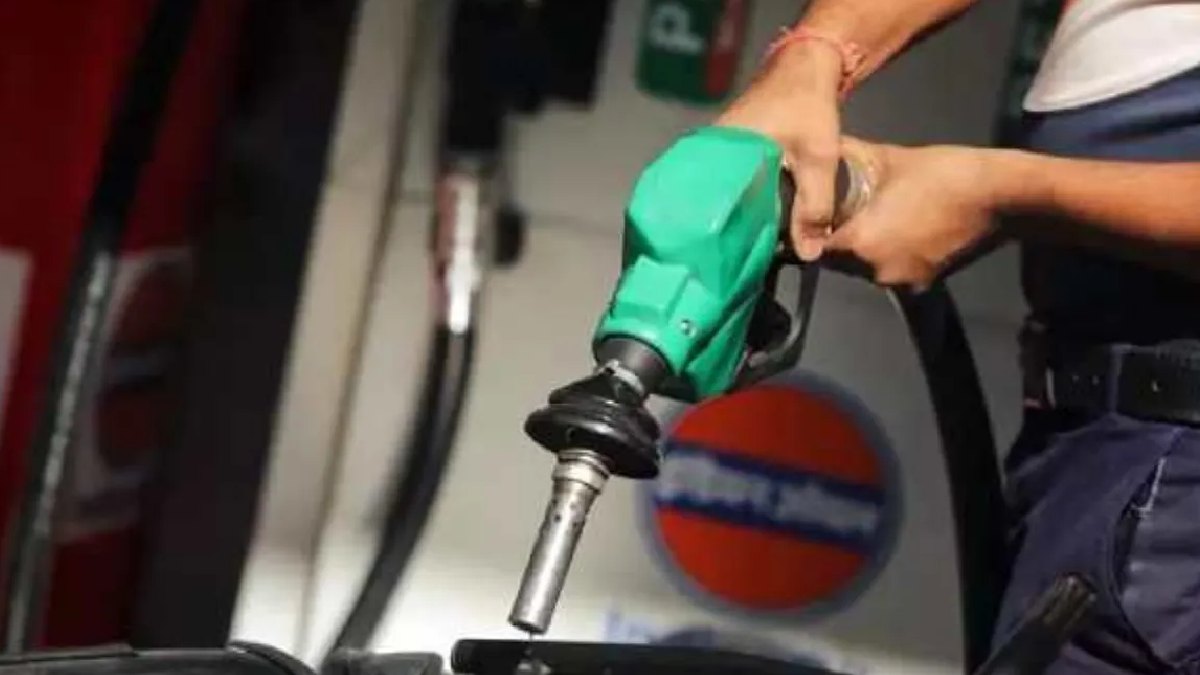
Some bunks have begun to run low on diesel supplies, which is hitting the operation of truck and bus companies and transport services. It has also fueled concerns of shortages of diesel if it worsens in the weeks ahead, impacting goods transportation.
Logistics companies and transport associations are also monitoring closely, since a further price increase on fuel could easily inflame overall transportation costs and subsequently prices of essential goods.
While it has not been officially confirmed by key oil marketing companies yet as to how much the price hike will extend, the expected hike was one likely to be driven by, among other factors, higher global crude oil prices, exchange rates and changes in the supply chain.
A Rs 4 to Rs 5 rise per litre, experts say, would pinch middle-class families already struggling with inflation and rising cost of living. Daily commuters, cab drivers, delivery workers and small businesses dependent on fuel are expected to be the worst-affected groups.
They, in turn, have been advised not to panic-buy what minimum fuel they can find in the supply chain. Officials will probably research fuel supplies and the distribution thereof to spare the public from either false scarcity or black market speculation. If done, that would be one of the biggest one-phase price spikes in recent months for petrol and diesel and could exacerbate broader inflation pressures across the sectors that run transportation and logistics.