The Lok Sabha passed the Taxation and Other Laws (Amendment) Bill on Thursday after repeated disruptions and protests by Opposition members prevented normal proceedings in the House.
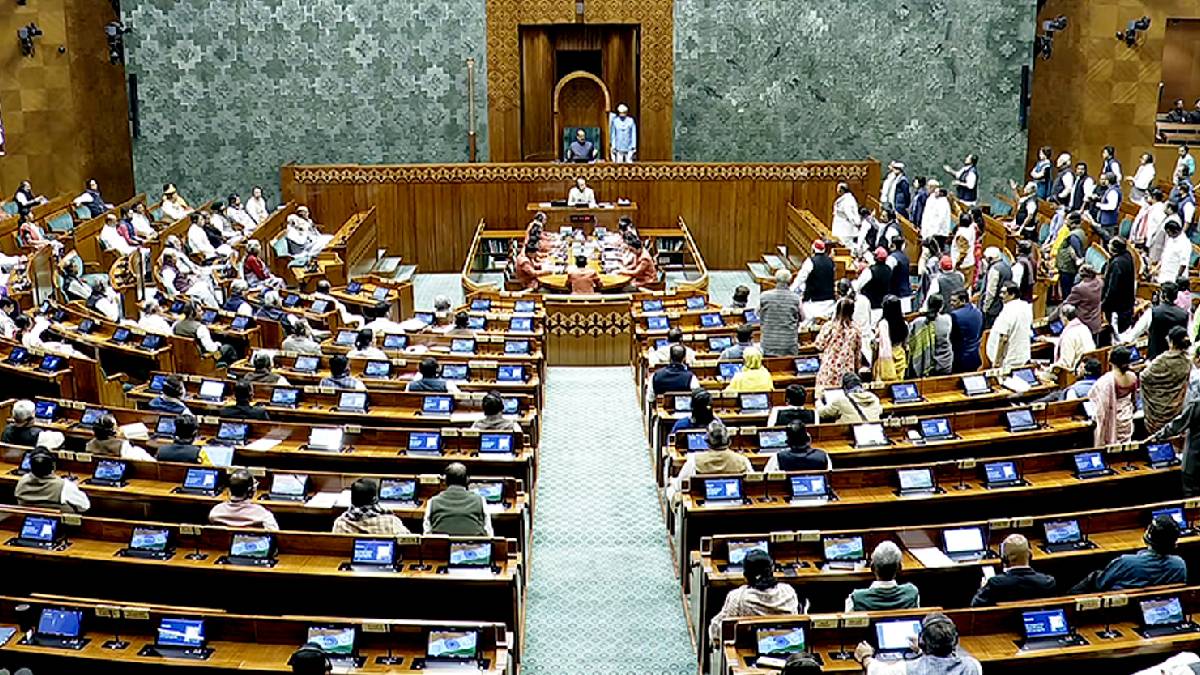
The Bill was taken up and passed as sloganeering and ruckus continued, with the Opposition pressing its demands and disrupting legislative business. The House could not have a comprehensive discussion of the proposed amendments before the legislation was passed.
The Bill passed on a session that has been marred by disruption over issues of politics and policy. Opposition parties have been protesting regularly in Parliament to insist on a discussion on issues that they say are of urgent public interest, while the government has defended it as long as legislative business continues.
The Taxation and Other Laws (Amendment) Bill aims to amend laws relating to taxation. The government has said in its report that amendments are necessary to simplify the legal framework, to streamline procedures, to be efficient in handling tax provisions and to solve issues which are already being borne out in the current system.
But since the Bill was passed without any formal debate, members didn’t get the opportunity to present arguments or raise concerns on the floor of the House before it was passed.
The Speaker of both Houses of Parliament has made repeated adjournments during the past few days because the treasury benches are fighting with the Opposition. The government has said these disruptions are hindering Parliament’s ability to do business and Opposition parties say they are because they want to raise the bar for discussion about problems they believe are urgent.
The passage of legislation in the face of disruption has been the subject of political debate for years. Governments have said parliamentary work cannot be held up for months on end; Opposition parties say it is critical for meaningful discussion to be part of the legislative process.
Now that the Bill has been passed by the Lok Sabha, it will proceed through the remaining stages of the parliamentary process before becoming law, subject to the applicable constitutional procedures.
The development is expected to trigger further political reactions; both the government and the Opposition are likely to maintain their position on the conduct of Parliament and the manner in which legislative business is being done in the present session.