Jalandhar, Punjab: Three people were killed in a tragic road accident after a car crashed into a stationary truck on a highway in Jalandhar. There were many casualties in the accident and it has once again raised the safety issues of road travel from vehicle speed and visibility to heavy vehicles parked on the road or on highways.
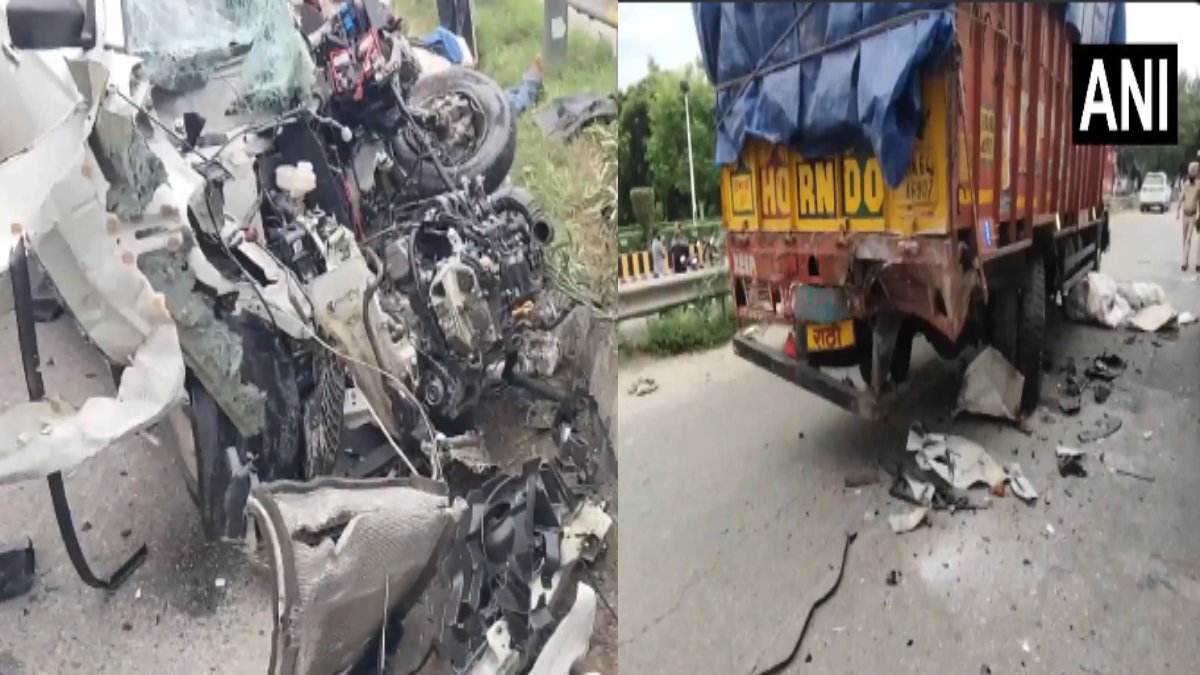
The police and other authorities will investigate the cause of the accident and why the car hit the stationary truck.
According to the information available, the car travelling on the highway crashed into a truck that sat in the road. The impact was so strong that three people died. Details on the identities of the deceased, the location of the crash and the reason the truck stopped were not disclosed.
The impact of stationary heavy vehicles on highway accidents can be catastrophic, especially when drivers cannot identify an obstruction in time. Speed, poor visibility, inadequate warning signals, road conditions and driver fatigue can cause these crashes. Investigators will have to see if any factors could have exacerbated the Jalandhar crash.
Emergency services and police would have had to arrive at the scene, investigate and deal with the aftermath of the accident. In major highway collisions the police generally try to secure the accident site, help the victims and clear damaged vehicles to ensure the normal flow of traffic. A severely damaged car and a parked truck in the road can also put other drivers in danger.
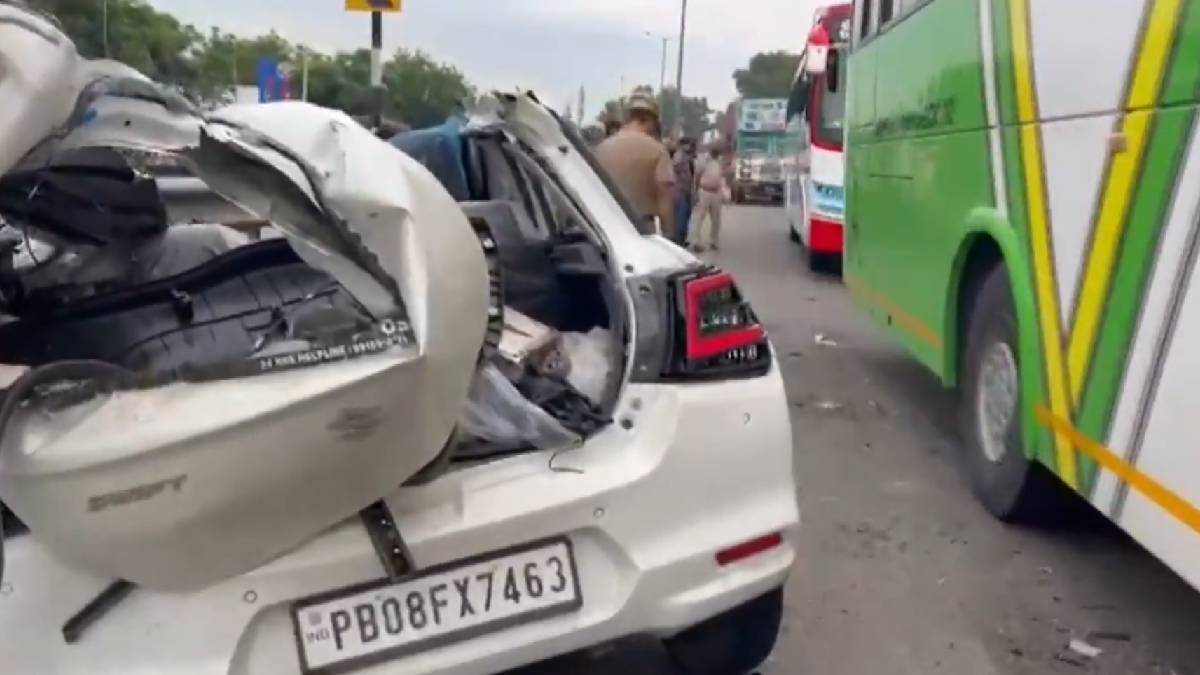
The deaths of three people have made the issue of highway safety more acute in Punjab. Highways are designed to move quickly between cities and towns; high vehicle speeds can also make collisions more dangerous. Drivers need to keep their speed reasonable, be alert and stay well behind vehicles ahead to give themselves time to react.
Stationary trucks on highways can be a hazard to drivers if they are stopped in places where other drivers don’t expect them. Heavy vehicles that break down or stop might need warning lights, reflective markings, hazard lights and positioning to signal to the approaching traffic. Ensuring that stopped vehicles are visible from a sufficient distance can decrease rear-end and high-impact collisions.
The Jalandhar incident also demonstrates the necessity of defensive driving. Motorists who are driving at night or in poor visibility need to be extremely careful when approaching obstacles as they can often not be detected until they are very close. Lowering speed and keeping within a safe distance can give drivers a better margin of maneuverability in a crisis.
The accident investigators may look at CCTV footage, vehicle damage, road conditions and eyewitness accounts to determine the sequence of events. A technical examination of the vehicles could also help determine whether mechanical problems played any role. Investigators could also check whether the stationary truck was positioned correctly and whether adequate warning measures were in place.
The exact cause of the collision should not be assumed until the official investigation is completed. Road accidents happen because of many factors, and determining responsibility requires evidence from the accident scene and other sources. Police findings will be vital to establishing what happened before the crash and if any traffic or safety regulations were allegedly violated.
The tragedy also highlights the human cost of highway accidents. Behind every deadly car crash are families and communities affected when loved ones are killed suddenly. The deaths of three people in the Jalandhar collision will have a long-term impact on their families, and there may be some investigation of safety on the stretch where the accident occurred.
The road safety community has always stressed responsible driving, highway lighting and signage, maintenance and effective enforcement of traffic regulations. Heavy vehicles are also required to meet safety standards when stopping or breaking down on highways. Reflective equipment, hazard indicators and warning signs could help make stationary vehicles more visible to approaching motorists.
The incident serves as a reminder for drivers to be attentive throughout the journey and avoid distractions. Mobile phone use, fatigue and excessive speed can severely impede a driver’s ability to respond to sudden hazards. Maintaining concentration and adjusting speed according to traffic and road conditions are among the most basic safety measures.
The Jalandhar crash is another reminder that highway safety is a joint effort of drivers, transport operators and authorities. Drivers must be vigilant, but road agencies and enforcement bodies are also vital to ensure highways are maintained, adequately marked and equipped with appropriate safety infrastructure.
As the investigation continues, more details about the identities of the victims, the circumstances surrounding the stationary truck and the cause of the collision may emerge. Police will examine all available evidence before reaching conclusions about the accident.
#WATCH | Jalandhar, Punjab | A fatal road accident on the Jalandhar-Maksudan Bypass Highway involving a car and a truck. Further details awaited. pic.twitter.com/Yjb0FCoRqD
— ANI (@ANI) August 8, 2026
The fatal crash has left three people dead and has reignited fears about collisions with stationary heavy vehicles. Highway traffic in Punjab and the rest of the country is growing, so stronger awareness of road safety practices remains essential. Preventing such tragedies will require responsible driving, proper vehicle safety measures and effective enforcement of highway regulations.
The Jalandhar accident is ultimately a tragic reminder that even a brief lapse in visibility, attention or highway safety can have devastating consequences. As authorities investigate the incident, the deaths of three people underscore the urgent need for continued efforts to make highways safer for motorists, passengers and commercial transport operators alike.