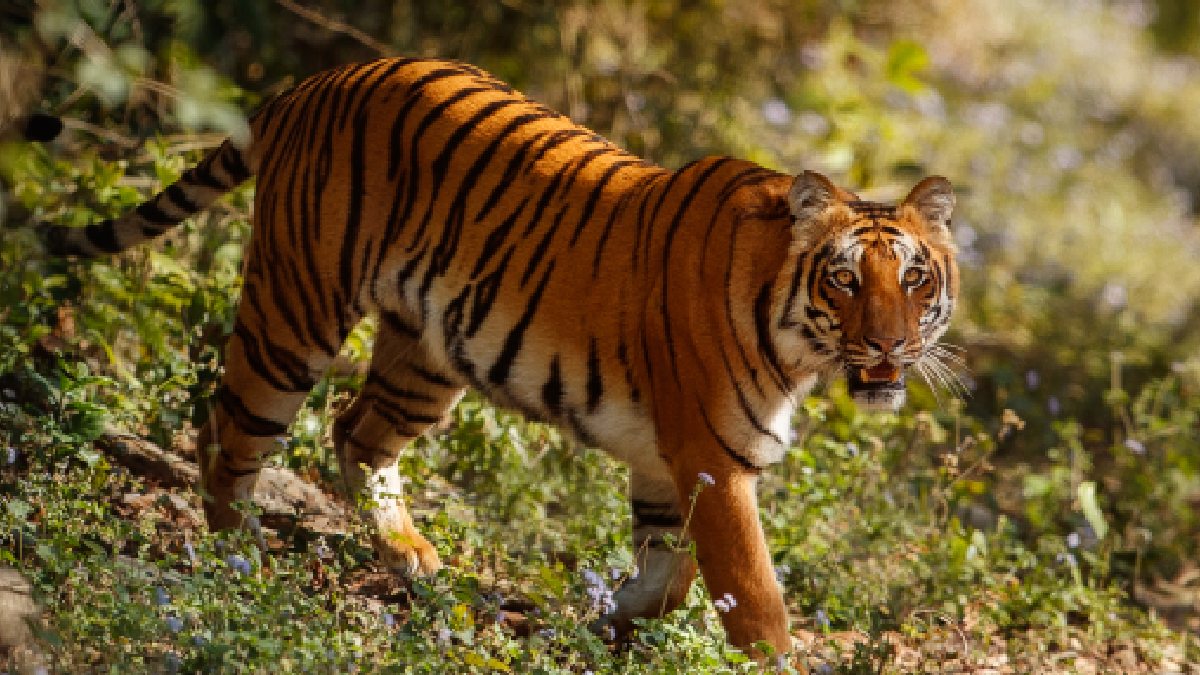
A frightening sighting of a tiger in a village in Karnataka’s Mysuru district has jolted the residents’ nerves in novel ways and given them new fears about the human-wildlife conflict in the region. The large cat had been spotted in Hadanur village in Saragur taluk in the early morning near agricultural fields.
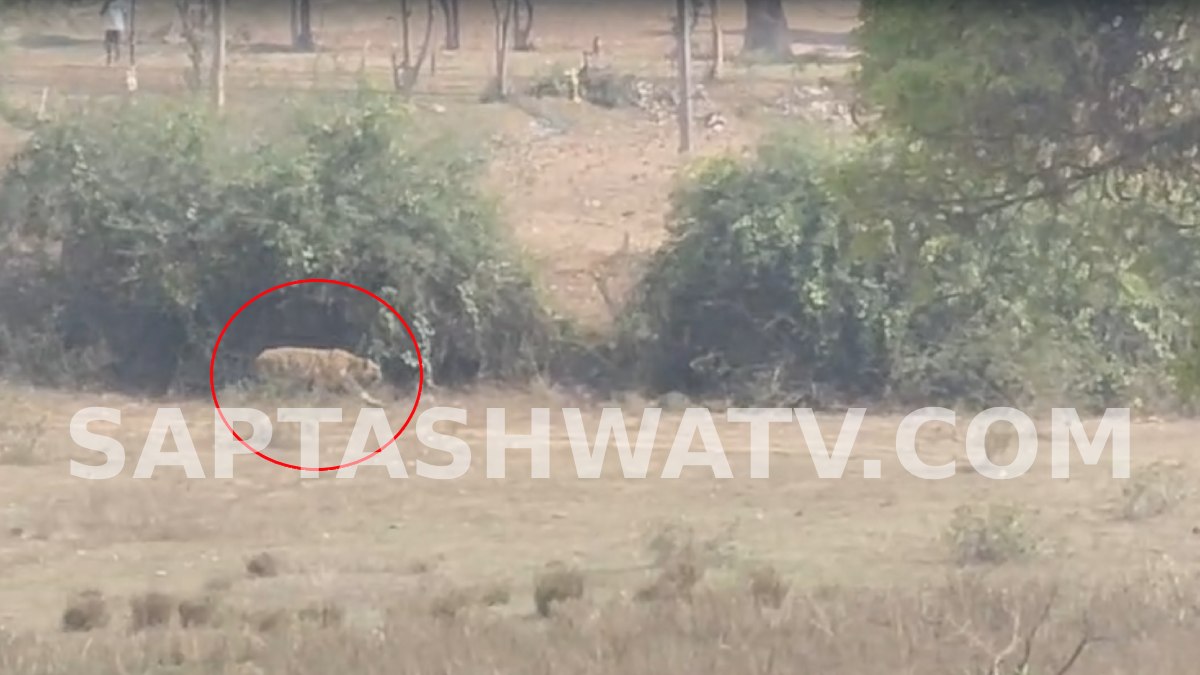
The tiger appeared to have appeared out of nowhere as a farmer was grazing cattle next to his house, locals said. The proximity of this beast to human habitation triggered panic in villagers and they sprinted from their houses as soon as they saw the predator. Witnesses said the tiger fled across farms quickly before disappearing into adjacent vegetation.
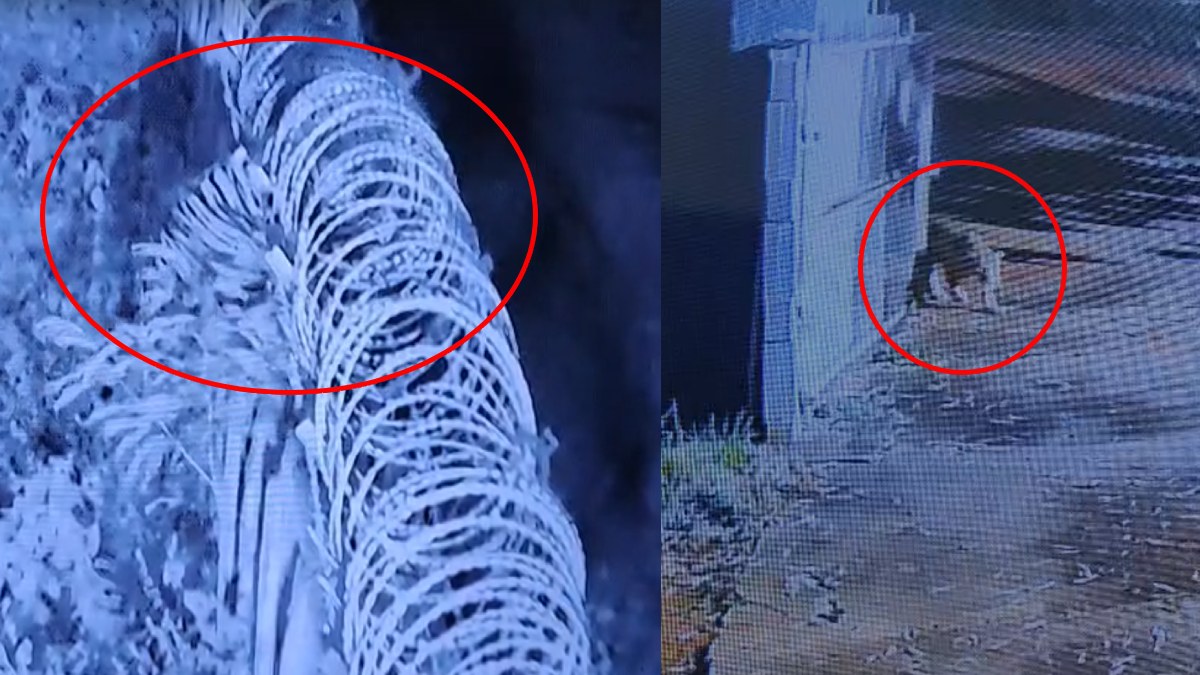
The event happened during daylight hours, and the people were especially stumped to hear about the incident taking place during that time. And then villagers snap a close-up of the tiger on their phones in a dramatic twist. Screenshots of the beast rushing down vast farmland attracted the media, along with the authorities.
The images have raised fears over the safety threats and the rising pace of wildlife incursion into human settlements. The forest around the village of Hadanur is the ancestral home of tigers, among other species. Such sightings could be triggered for a number of reasons, experts said, including loss of prey in forests, disturbed habitat or seasonal movements of animals.
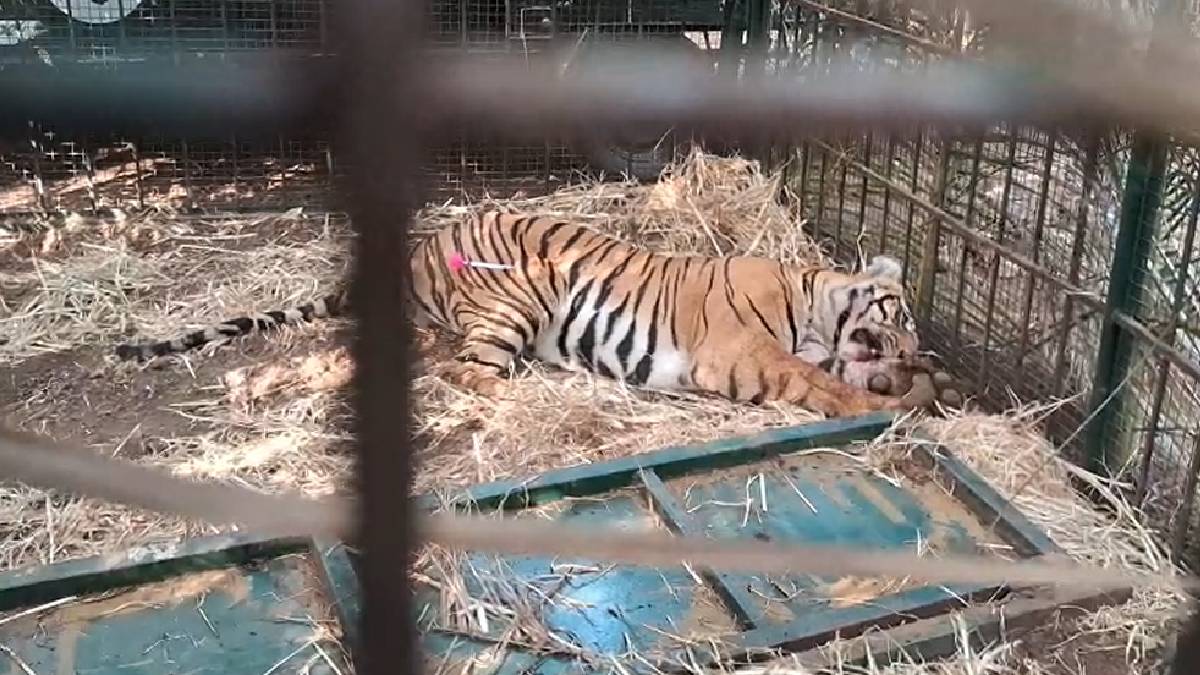
As agricultural activity increased, people have been more commonly seen in forest lands. Forest department officials are notified and should do a search of the area. Teams could be deployed to check the tiger’s whereabouts and to make sure it is not dangerous to the villagers. In those situations, officers typically put a surveillance system or create alarms, then, if necessary, try to direct the animal back into its intended habitat.
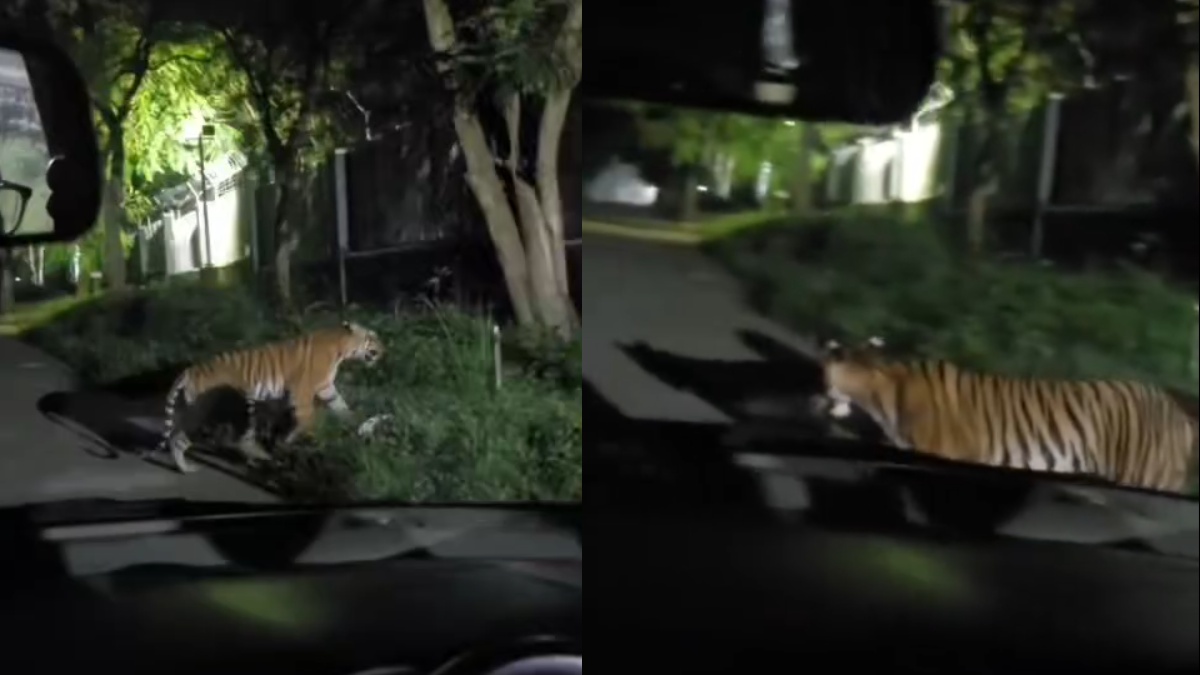
The residents were advised to be wary, stay away from solitary activities, especially in the morning and evening, and protect the animals. Local authorities are probably conducting educational campaigns to help the villagers learn how to handle wild animals. For places like Mysuru, this incident has once again drawn attention to the tension between the human habitations and the habitats that wildlife inhabit.
In India, where attempts at conservation of tiger populations have been successful, they are also driving human interactions with wild animals. And as change agents step in, our top priority remains a security-for-the-people-of-the-village-and the animal-along-with-security-for-the-world model.