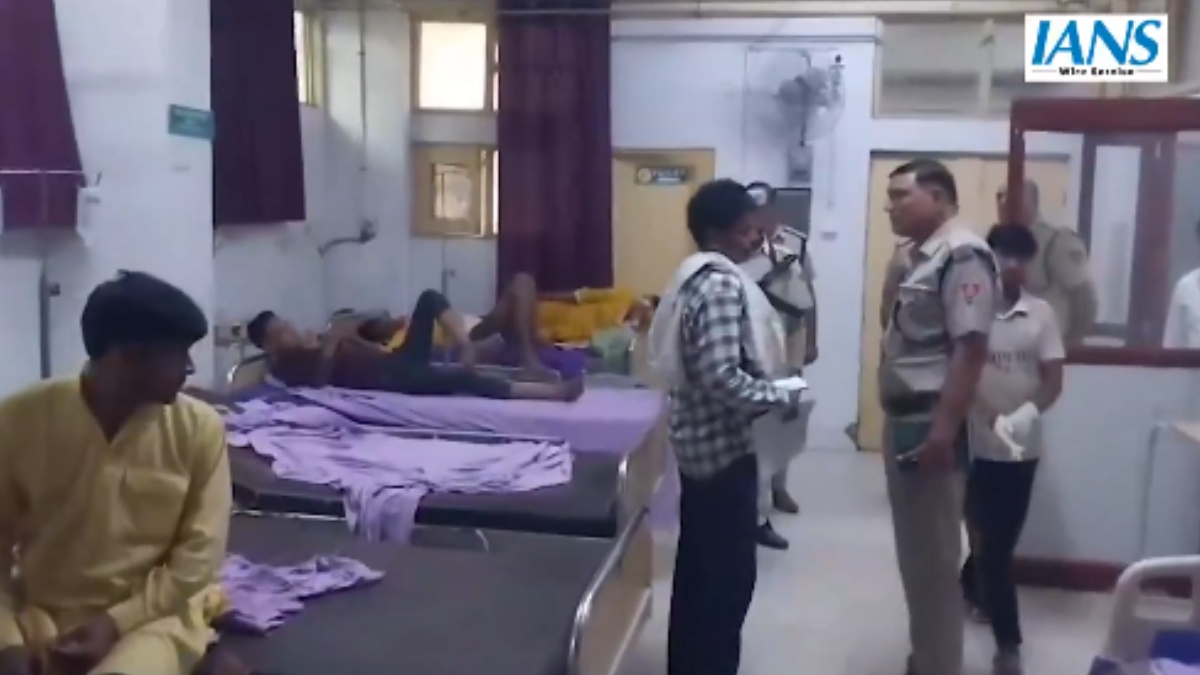
A surprise inspection of the Sapon Sub Health Centre in Tikamgarh, Madhya Pradesh, has brought some serious doubts about the poor state of basic healthcare services in the rural area to light.

Tikamgarh Collector Vivek Shrotriya visited the health centre after complaints from local inhabitants that the facility was frequently found closed. The inspection was to check if basic health services were provided to the villagers as expected.
During the visit, the Collector asked the Community Health Officer (CHO) to check the blood pressure of a pregnant woman at the centre. But the health worker reportedly struggled to carry out the basic procedure properly.
The Collector was surprised, especially since the health worker was said to have a nursing degree. Shrotriya, instead of leaving the procedure incomplete, appeared to show how blood pressure should be checked properly.
The episode has raised questions about the preparedness and practical skills of healthcare workers working in rural healthcare facilities.
Educational qualifications are an essential part of training in healthcare but this incident has raised questions about whether healthcare staff are being given sufficient hands-on exposure and supervision in practice to carry out routine medical procedures.
The Collector’s inspection also revealed problems in the centre’s documentation. The dates of some patient records were missing, as were the attendance registers. Good documentation is an important part of continuity of care and monitoring of health facilities.
The findings led to an official inquiry and a notice was issued to the health officer. It is clear that the administration is taking these complaints and inspection findings seriously.
Sub-health centres are at the heart of India’s rural health system. They are often the first point of contact for people who need basic medical support, maternal care, preventive services, and health-related advice.
For pregnant women in particular, having functioning healthcare facilities can be especially important as early monitoring can also detect problems at an early stage.
The incident in Sapon has raised greater questions about accountability in rural healthcare centres. A facility that is supposed to be accessible to local residents should have sufficient staff, proper attendance records and personnel who are capable of doing routine healthcare work.
The inspection has also shown the necessity of district authorities’ regular monitoring. Surprise visits may also indicate problems that may not always be visible by regular reporting systems.
In rural areas, the availability of a health centre is only meaningful if staff are in place and capable of providing basic services.
The Tikamgarh incident has once again reminded us about the need for professional staff, the competency of the staff and the functioning of the healthcare system as a whole.
As the inquiry moves on, we might have some clarification on what could be the reason for the lapses and whether administrative action will be taken.