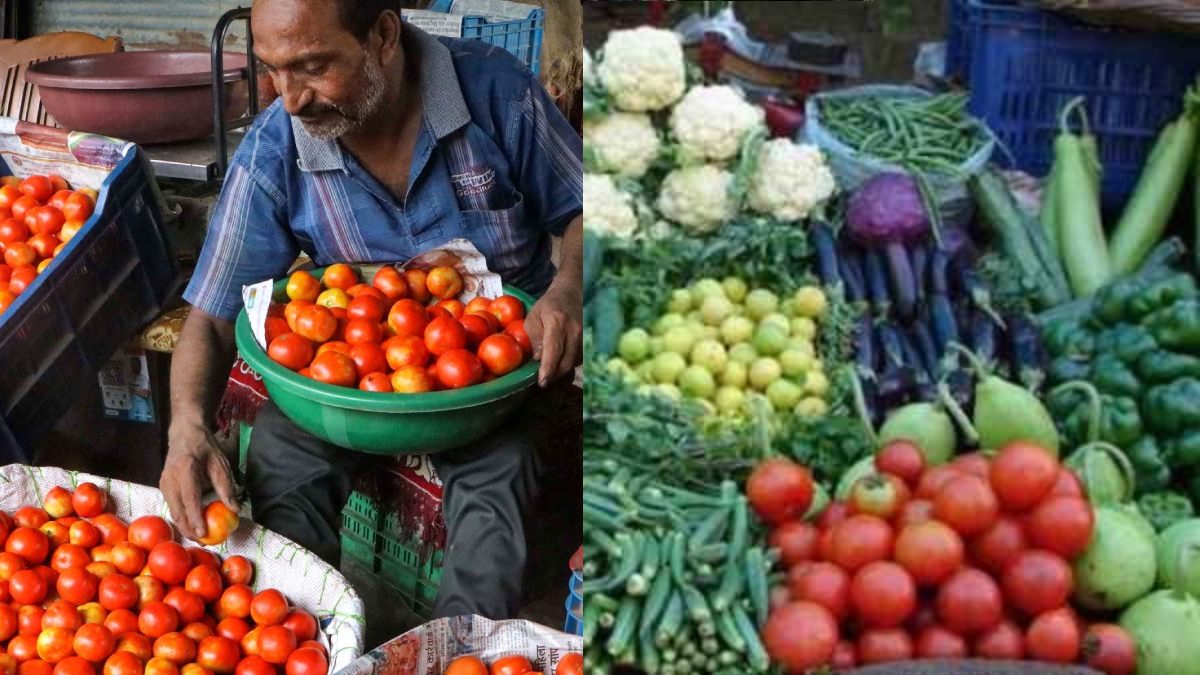
Tomato prices have soared to Rs 80 per kg in Delhi and other major parts of India, a sharp increase attributed to the disruption caused by Cyclone Montha. The cyclone severely damaged crops in the major tomato-producing states of Andhra Pradesh and Karnataka, which together account for nearly 26% of the country's total output. The resulting shortage has disrupted the supply chain to northern markets, including Delhi, Haryana, and Uttar Pradesh.
Government Intervention: 'Janata' Brand Subsidised Tomatoes
To provide immediate relief to consumers and combat the sudden price spike, the Ministry of Consumer Affairs has launched a key intervention:
- Subsidised Rate: Tomatoes are being sold at a discounted rate of Rs 52 per kg under the 'Janata' brand.
- Distribution: These subsidised tomatoes are being distributed through mobile vans and counters across the Delhi-NCR region, covering areas like Saket, Dwarka, Noida, and Khari Baoli.
- Goal: The program aims to continue until retail prices stabilise and fall back into the Rs 40–50 per kg range. The government has confirmed plans to expand this initiative to other cities soon.
Production Shortfall and Farmer Distress
The damage from the cyclone has significantly impacted the overall tomato yield for the year.
- Output Drop: India’s tomato production for the 2024–25 session is projected to fall to 19.46 million tonnes, a noticeable drop from the 21.32 million tonnes recorded last year.
- Key Mandis Affected: Mandis like Madanapalle and Kolar–Chikkaballapur have reported extensive crop losses, highlighting the concentration of the damage in the key southern producing regions.
- Farmer Burden: Farmers are facing a dual crisis: damaged crops and rising input costs, making it increasingly difficult for them to repay agricultural loans.
Widening Gap Between Wholesale and Retail Prices
An interesting market anomaly has been observed in the wake of the crisis:
- Retail Price Surge: Retail prices in Delhi have jumped by 66.7% year-on-year, from Rs 48 per kg to Rs 80 per kg.
- Stable Wholesale Price: In contrast, wholesale prices have remained relatively stable at around Rs 4,182 per quintal.
- Market Implication: This disparity suggests that the price hike is primarily occurring at the retail end, indicating widening margins for traders and retailers. Similar price gaps have been reported in other major cities like Kolkata and Chennai.
Expected Price Easing
Relief for consumers is anticipated in the short term, contingent on new supplies.
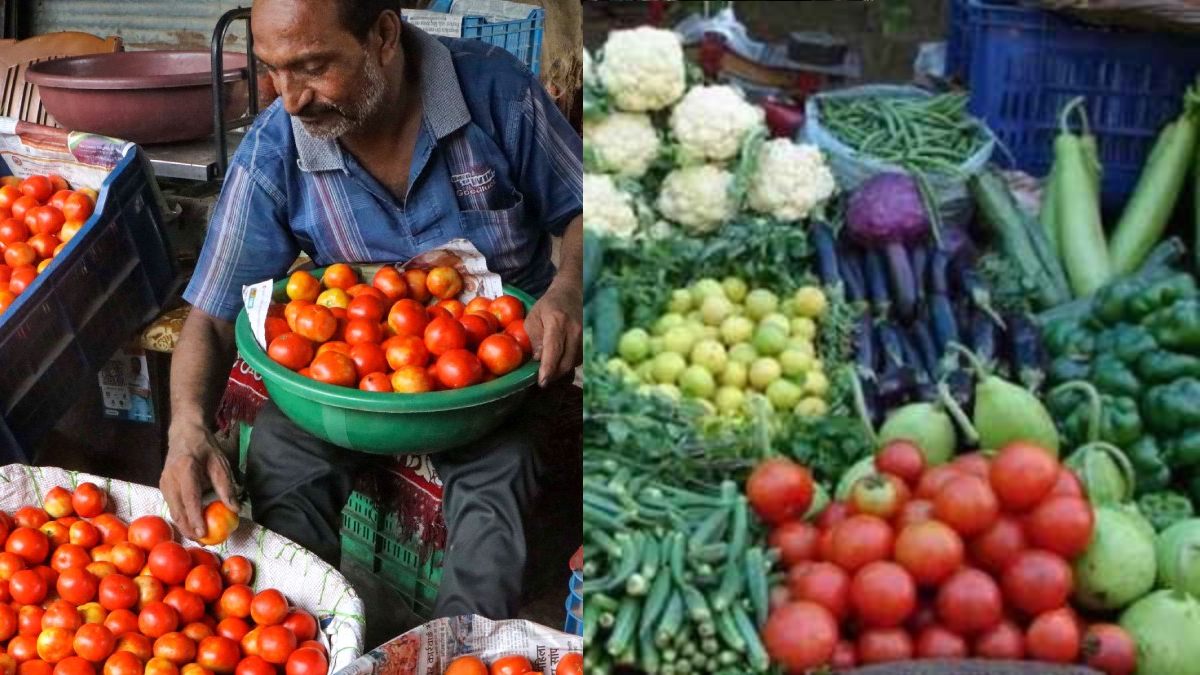
- New Supply Lines: Fresh tomato arrivals from Rajasthan and Punjab are expected to reach markets within the next 20–25 days.
- Stabilisation: Once these new supplies enter the market, officials expect the overall price situation to stabilise.
The government is closely monitoring the situation as the issue is expected to be a major topic of discussion during the upcoming winter session of Parliament.