India's students looking to study in the USA are receiving a major reprieve when a US federal judge has temporarily blocked a Trump administration rule to put time limits on international students.
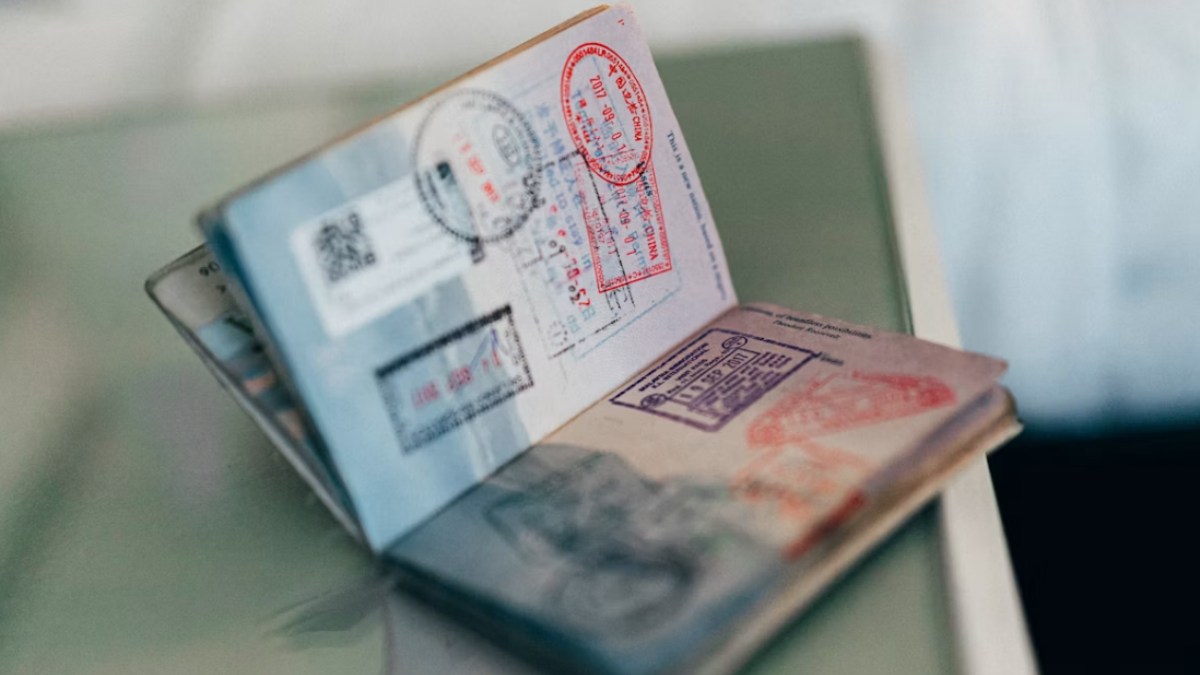
The rule, which would take effect on September 15, would have ended the nearly 50-year-old “duration of status” system for F-1 students and J-1 exchange visitors. Under the proposed system, international students would have been allowed to stay for a fixed period connected with their academic programme, with a maximum of four years.
But on September 14, US District Judge F. Dennis Saylor in Boston issued a preliminary injunction that prevents the Department of Homeland Security from implementing the rule while the legal challenge continues.
That means Indian students will not have to cope with the four-year limit for now. The system is still in place while the court considers the larger legal challenge.
What did Trump’s 4-year Visa Rule propose?
Under the current system, students on F-1 visas are generally admitted for “duration of status” (sometimes also referred to as D/S on their I-94 record). That way they can stay in the US while maintaining their student status and progressing through their authorised academic programme.
The new Trump administration’s rule sought to replace this system with a fixed admission period.
For F-1 students, the admission period would be generally linked to the programme indicated on the student’s Form I-20, but would not have been more than four years. Students who needed more time could also have applied for an extension. The new rule also reduced the grace period after completion from 60 days to 30 days.
The changes were particularly significant for students in longer programmes. Doctoral students, researchers and others whose academic work takes more than four years could have faced additional immigration paperwork and uncertainty.
The rule also proposed restrictions on changes to academic programmes and institutions as well. Students needing more time would have to apply for an extension through the US immigration system rather than just continue under the status they are now as a student.
What will be the impact of the Court ruling on Indian students?
The old system, for now, goes on.
Harvard's International Office confirmed that the preliminary injunction prevents the new rule from taking effect and that the Duration of Status designation remains intact while the injunction is in place.
This is most important to Indian students in the US who are already studying there. They don’t suddenly have to start a four-year countdown due to the rule that was supposed to go into effect on September 15.
The students can continue under the existing framework as long as they maintain their immigration status and comply with the requirements attached to their F-1 or J-1 status.
The ruling also comes as a relief for students who are planning longer academic studies. Master’s degrees, PhDs, research programmes, or other courses that can continue beyond four years won’t be affected by this new fixed-period system.
But it is not that the proposed rule has been permanently canceled.
The judge’s decision is a preliminary injunction, so the rule should be put on hold as the legal case goes forward. The Trump administration can appeal the decision, but the court will ultimately decide if this policy is legal.
What should Indian students do now?
Indian students should not think that the proposed rule has disappeared permanently. The immediate situation is that the new policy is blocked, but the legal battle is still ongoing.
Students already in the US should continue following their university’s international student office and keep their current F-1 or J-1 requirements.
The decision on travel, visa appointments, or academic plans for people to go to the US should also be made with the current official guidance. Immigration rules can change quickly when litigation is going on.
But the court’s decision is significant because it preserves the system that has housed international students for decades. Judge Saylor said the DHS had not provided an adequate justification for replacing the old system, and it had not considered less restrictive alternatives. “Exceptionally weak,” he said.
The ruling gives Indian students and other international students some breathing space. But it’s not the end of the story. The U.S. government could challenge the injunction, so students will have to continue watching for more court decisions and official immigration guidance.
But at present, the four-year cap is blocked, and the Duration of Status system is in place.