China is imposing some of its toughest restrictions on civilian drones following a deadly drone crash into the city's tallest skyscraper earlier this year. Drones will not be allowed in Beijing until November 15, 2026.
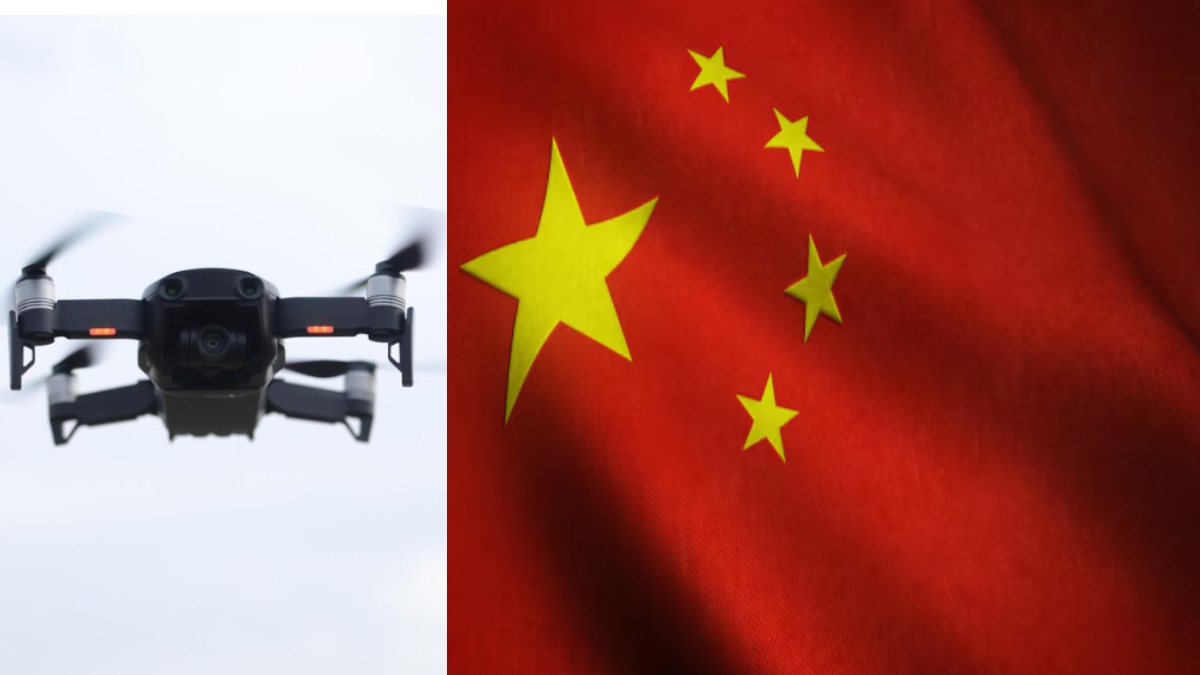
Existing drone owners have until November 14 to remove their devices from Beijing. The new rules represent a dramatic shift in how the city is treating drones and come amid growing fears that airspace security is becoming more precarious.
Beijing moves towards a complete drone ban.
The new regulations go beyond just the restriction on where drones can fly. They will forbid the possession and storage of drones within Beijing's city limits.
There are also restrictions on drone components and equipment associated with unmanned aircraft. The measures are meant to strengthen control of low-altitude airspace in a city that has already had very high security requirements.
The regulations will go into effect on November 15, and current owners will have only a limited window of time to relocate, sell or dispose of the equipment.
Drone Owners asked to remove devices
People currently owning drones in Beijing have to move them outside the city before the new rules come into force.
They have also introduced a buyback and recycling programme. Drone owners can sell their devices at designated locations or dispose of them for recycling and there is an incentive to do so, they said.
According to reports, the government buyback programme can pay up to 3,000 yuan per drone with the necessary conditions.
The tragic CITIC tower crash raised security issues.
The latest restrictions follow a serious incident on June 26, 2026 when a small aircraft crashed into Beijing's CITIC Tower, also known as China Zun.
The aircraft hit the 108-storey skyscraper during rush hour. The 66-year-old pilot was killed and 13 people on the ground were injured, Reuters reported.
The incident raised questions about aviation safety and the management of Beijing's increasingly busy low-altitude airspace.
New No Fly Zone Also Planned
We also expect Beijing to make more airspace restrictions. A new no-fly zone is scheduled to take effect on September 20, 2026 to enhance security around key infrastructure and public places.
The precise boundaries of the new restricted airspace had not been disclosed in the Reuters report, but the move is a further step toward tighter control of low-altitude aviation in the capital.
What happens after November 15?
Once the new regulations take effect, people will not be allowed to keep drones in Beijing if they fall under certain authorised exceptions.
And authorities can seize equipment that isn’t compliant and there can be penalties if it is in violation. Visitors will also have restrictions on bringing drones into the city.
The changes represent a major shift for Beijing's civilian drone users and come as China continues to build its broader low-altitude economy, at the same time tightening security controls around unmanned aircraft.