A shocking wildlife crime case has emerged from Tumakuru district in Karnataka (Tumakuru taluk): three people have been arrested for allegedly burning the dead leopard’s body because of the animal’s death after it became trapped in a snare. This was reported from Goragondanahalli village in Kora Hobli area of Tumakuru taluk, and the Forest Department is now investigating the circumstances that led to the death of the leopard.
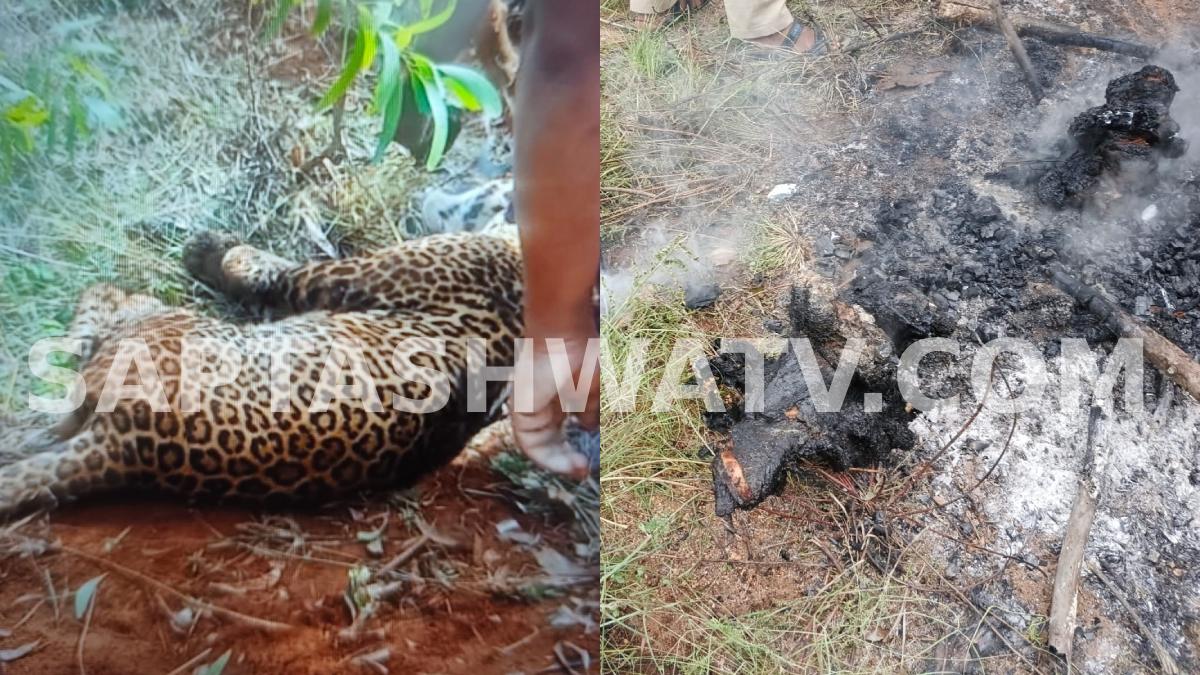
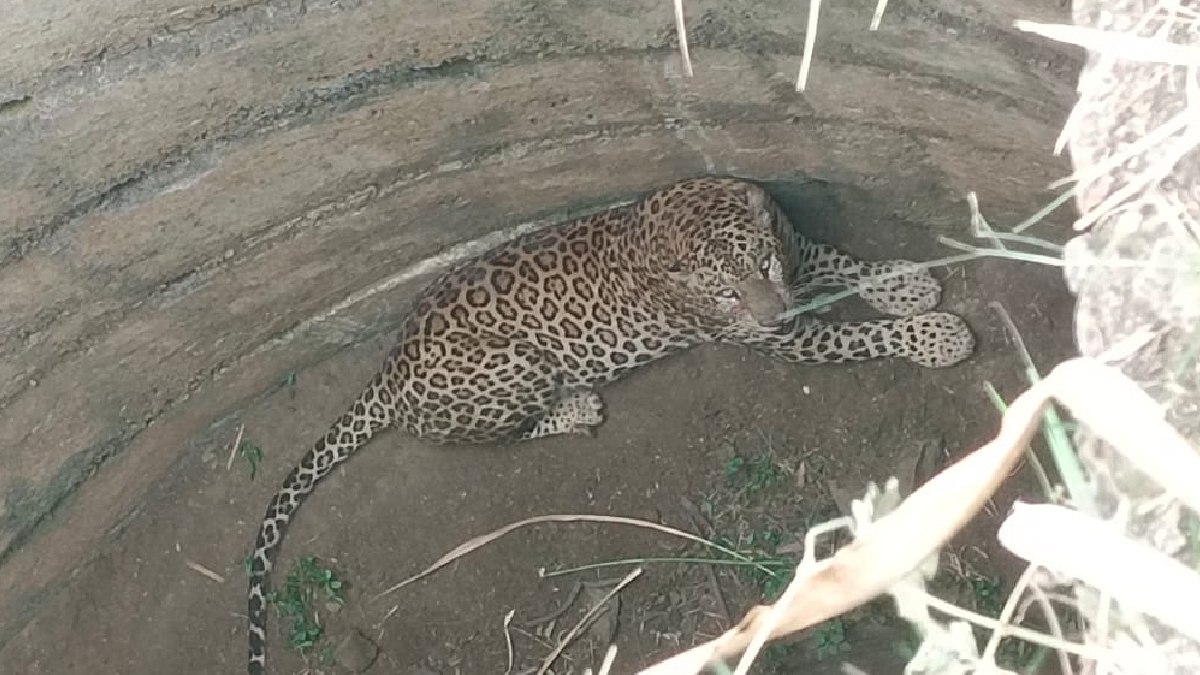
According to preliminary information, the leopard fell into a snare allegedly set up to trap wild boars. The animal was allegedly caught in the trap and later taken to an agricultural field and set on fire. The reason for the death of the leopard and what could have led to the dead leopard’s situation had to be investigated by forest officials, she said.
The incident was discovered after the authorities received information about the burning of the leopard carcass. Forest officials rushed to the scene and found the animal in a half-burned state. The carcass was then recovered and taken into the custody of the Forest Department for further investigation and forensic examination.
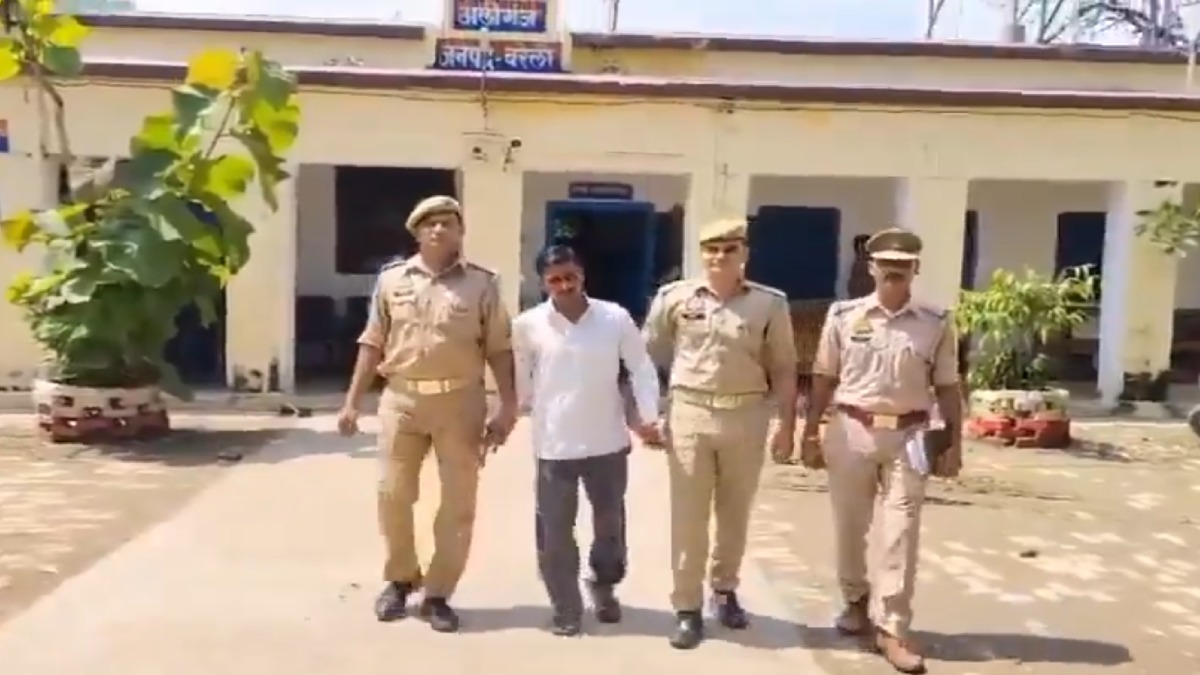
Following the recovery, officials arrested three individuals who were linked to the incident. The suspects were taken to the district hospital for medical examination as part of the investigation. Forest officials are now interviewing them to investigate how the leopard died, who placed the alleged snare and what happened to the body after the animal was found.
Recovering the partially burnt remains has made it difficult to establish exactly what caused the death. Forest officials have since started a forensic investigation to collect as much evidence as possible. The leopard was post-mortemed in the jurisdiction of the sub-divisional forest office, where veterinary doctors from Bannerghatta came to the scene to perform the examination according to the reports.
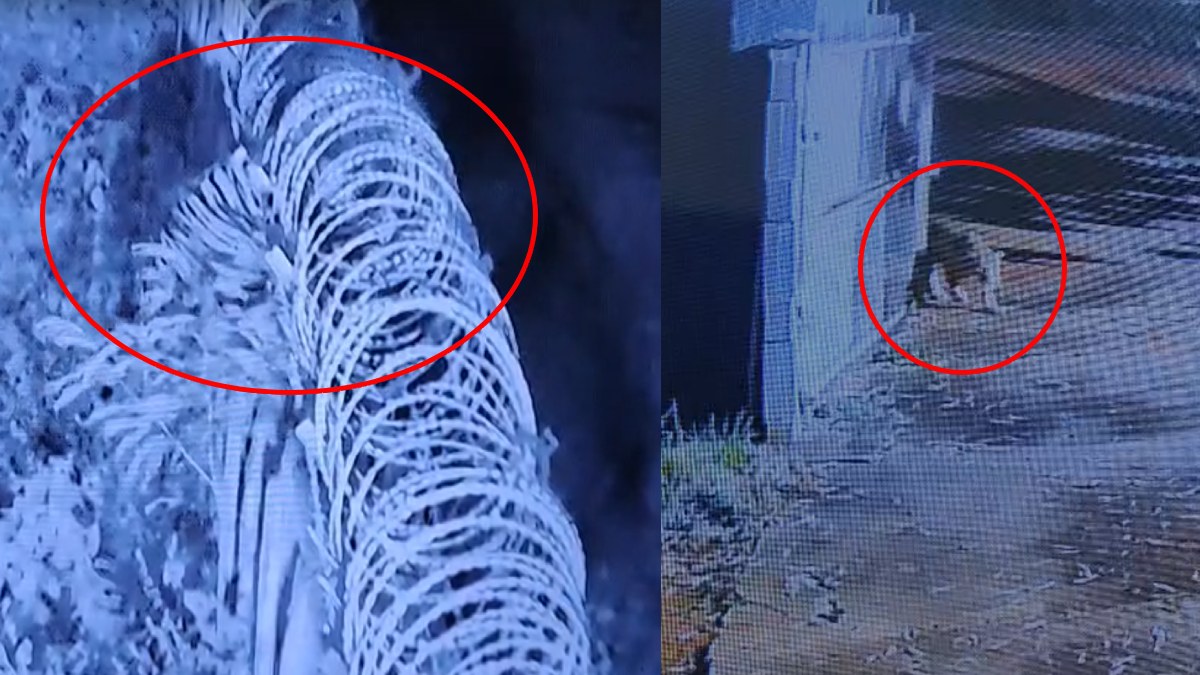
They collected various body parts and other biological samples from the burnt carcass. A forensic sample has been sent to a Forensic Science Laboratory (FSL) for analysis. The forensic evidence will determine whether the leopard died after getting trapped in the alleged snare or not.
Investigators will also look at the site where the animal is believed to have been trapped and the location where the carcass was burned. Evidence from the site could help officials reconstruct the sequence of events. Residents and others who are likely to have information about the animal’s movements or the alleged snare will also be asked, investigators say.
The case has raised fresh concerns about wildlife dangers when snares are put into forest-fringe and agricultural areas. Traps designed for wild boars and other animals can inadvertently capture protected species like leopards, with serious consequences for wildlife and people. Forest officials will assess if the snare was intentionally placed and whether there are other traps around the area.
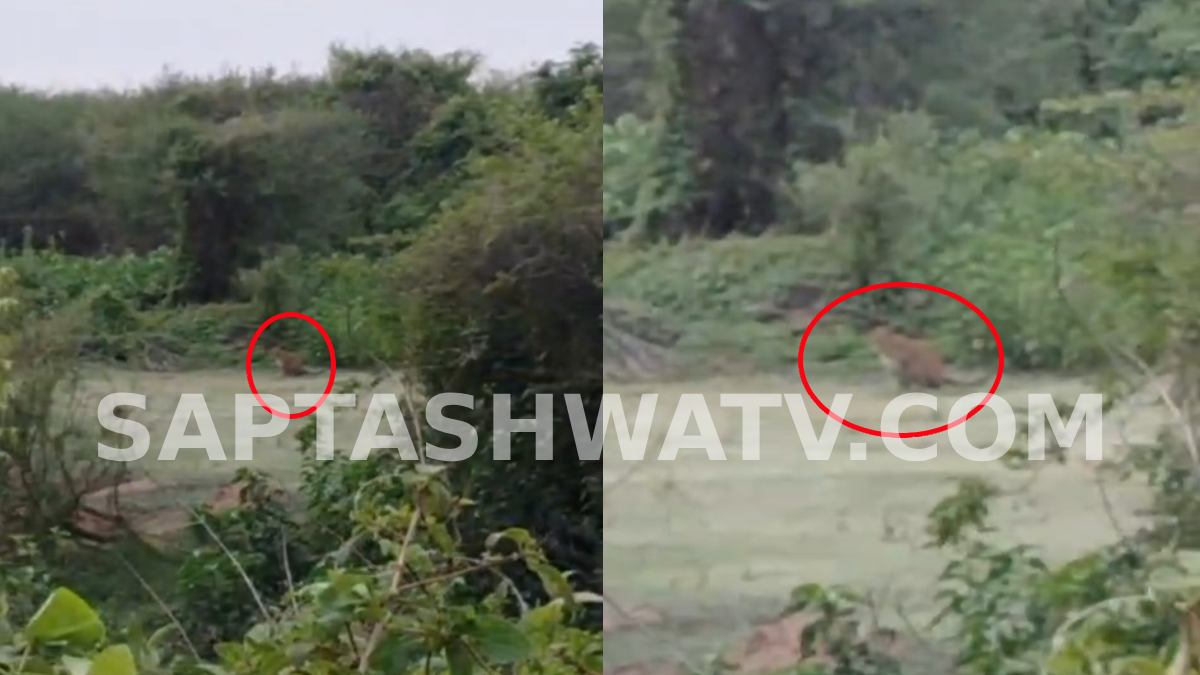
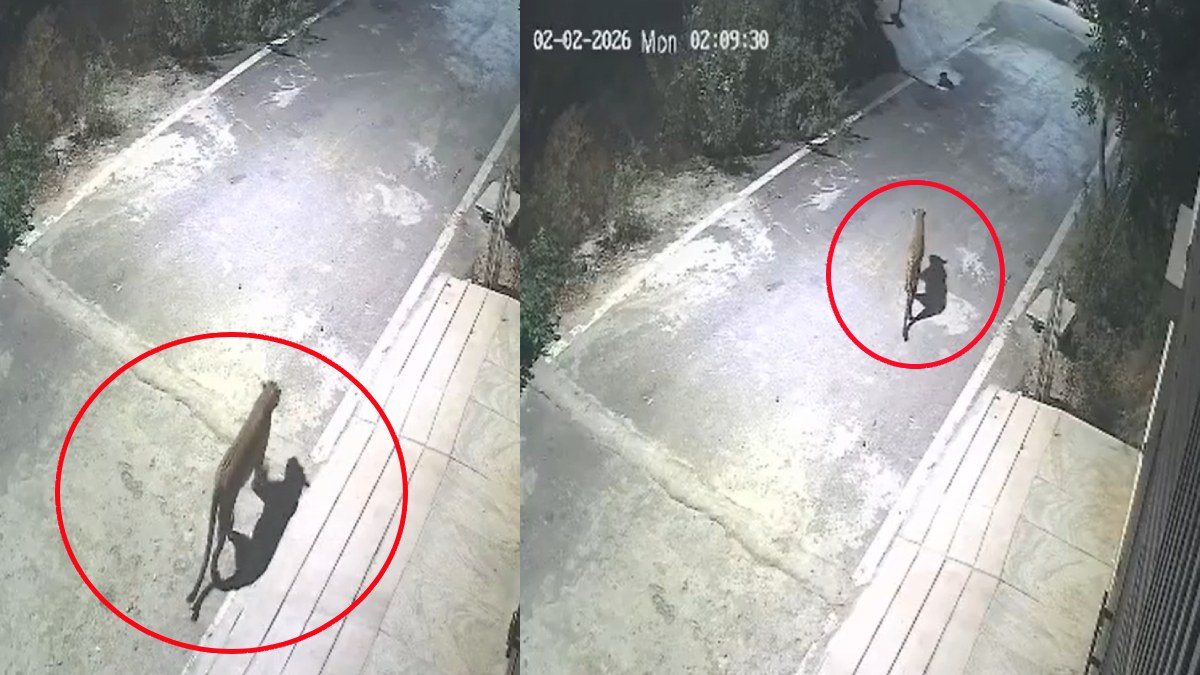
This incident has also attracted attention for the human-wildlife conflict in Karnataka in particular because of recent concerns of the human-wildlife conflict. Leopards can pass through areas that are close to villages and agricultural fields looking for food and suitable habitat. In areas where forest borders are near farmland and settlements, they encounter local people (e.g. in the forest boundaries and farming and farmlands).
Forest officials have registered a case under the Wildlife Protection Act in connection with the incident. Wildlife protection laws provide legal protection and impose penalties for any offence against a protected animal. Police will determine the individual acts to be committed by the arrested people based on information gathered in the investigation.
The Forest Department is still looking into the full circumstances of the leopard’s death and burning of the carcass. Investigators will take into account the post-mortem report, FSL findings and witness accounts and evidence collected from the site before drawing any conclusions.
And it serves as a reminder of the serious consequences of wildlife-related crimes. Leopards are protected wild animals, and any killing, trapping or handling of their remains is a serious matter under Indian wildlife protection laws. People living near forest areas and wildlife corridors should not try to build illegal snares to trap wild animals, and should immediately call the forest officials to report and get wild animals out of the forest.
With three people now in custody, the investigation will focus on the leopard’s death and the circumstances under which it was allegedly burned. The forensic examination and laboratory analysis will be particularly helpful in establishing the sequence of events in this disturbing Tumakuru wildlife case.