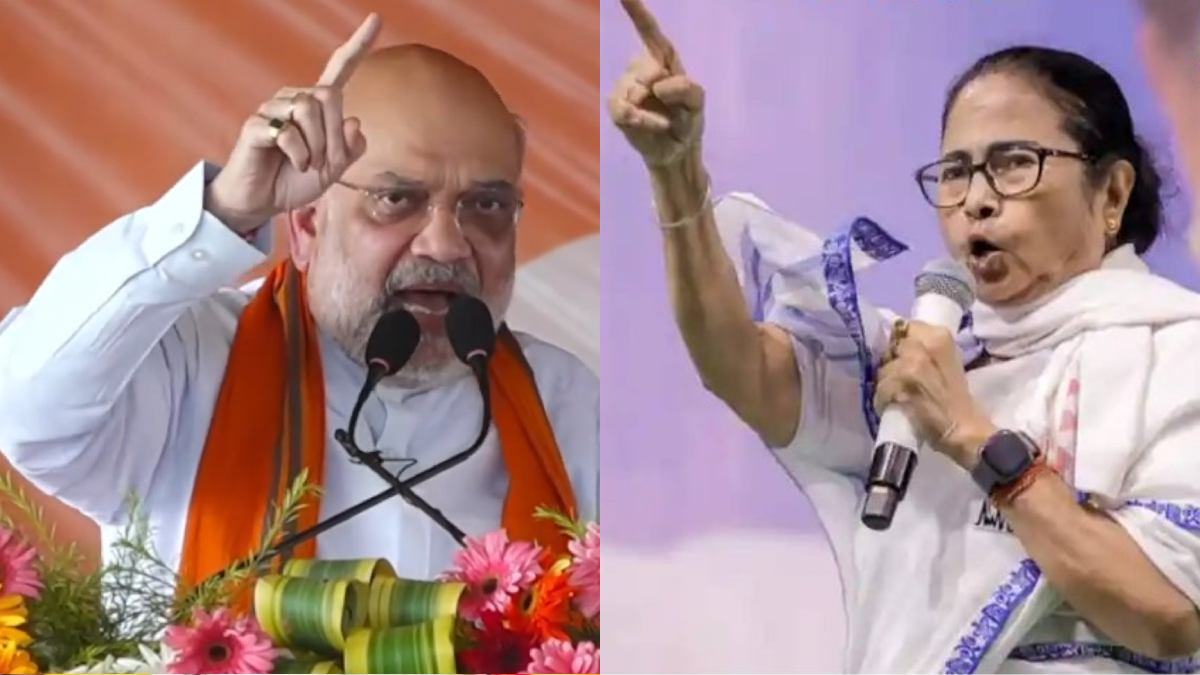
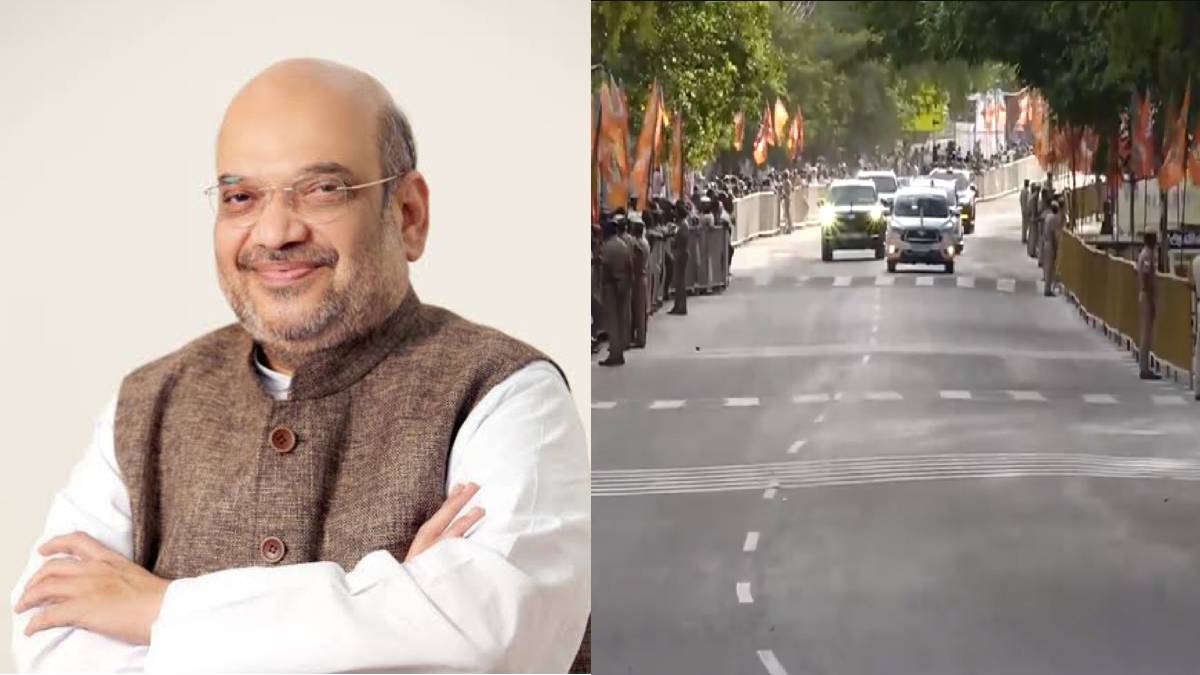
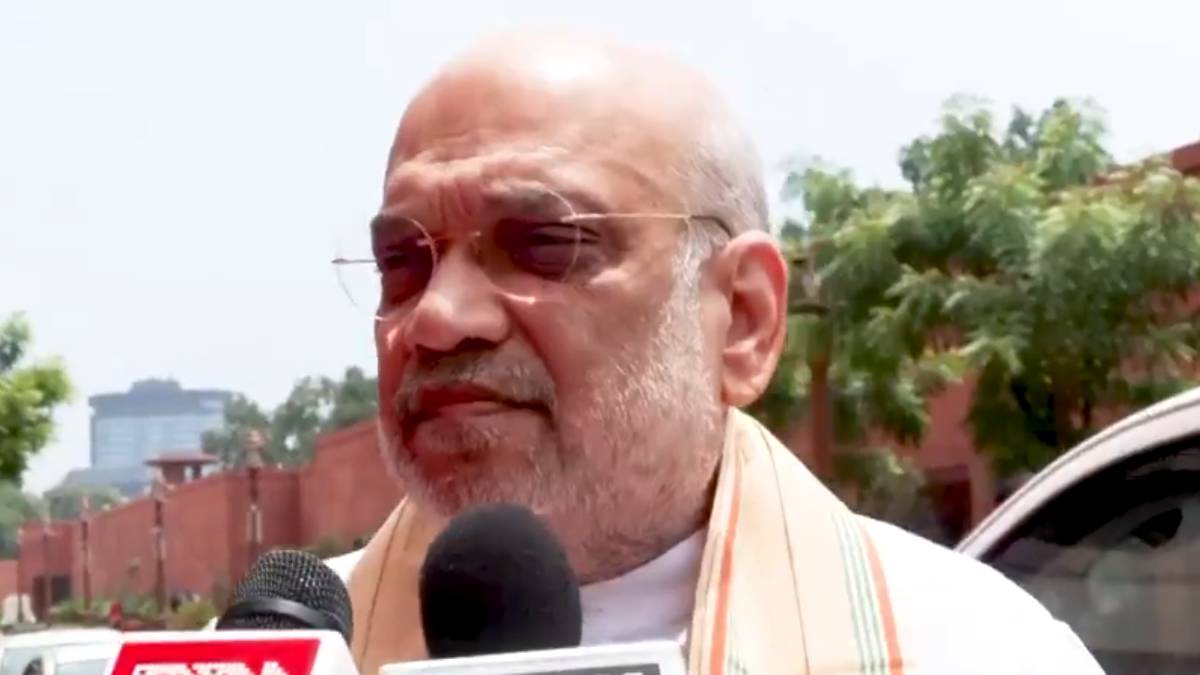
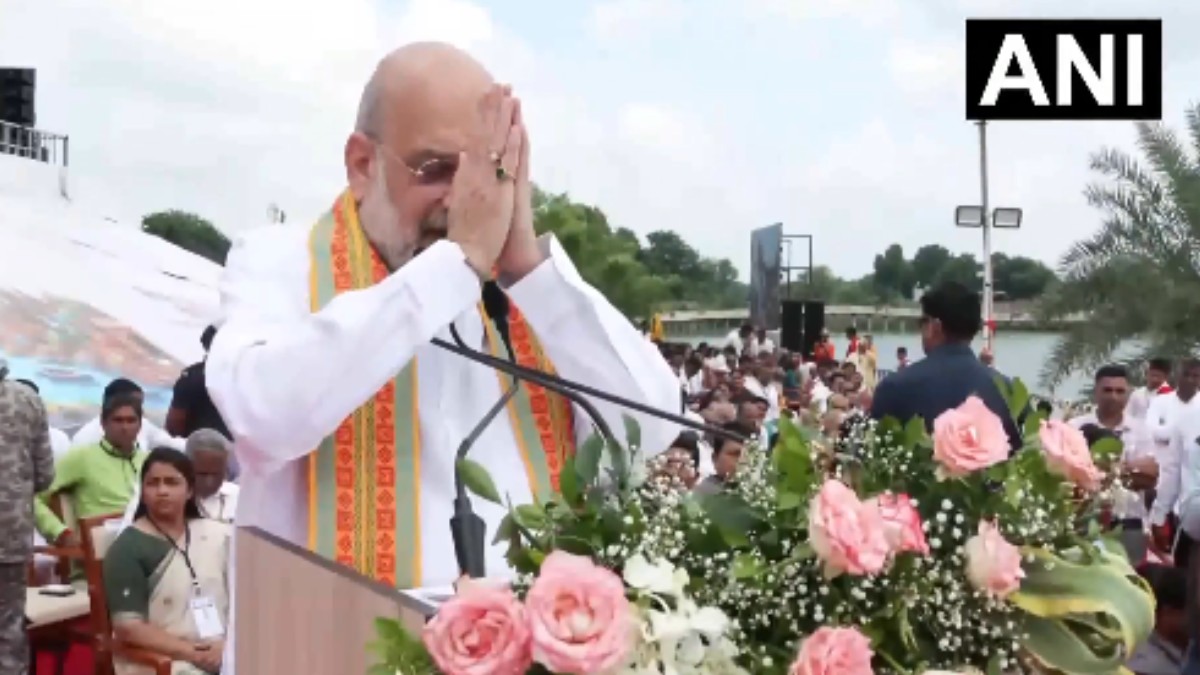
Union Home Minister Amit Shah hoisted the national flag at his residence in Delhi as part of the ‘Har Ghar Tiranga’ campaign to build patriotism ahead of India’s Independence Day celebrations. All over the country, people are expected to display the Tricolour and participate in events to celebrate India’s national identity, unity and freedom.
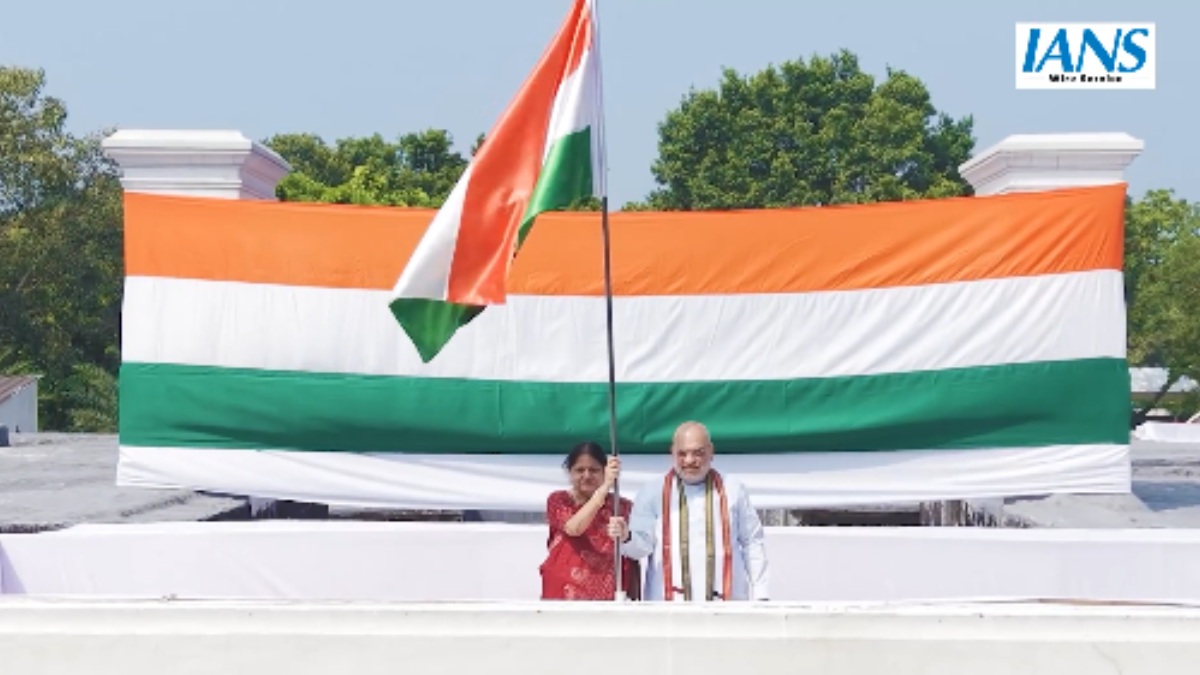
The sight of the Union Home Minister personally unfurling the national flag is symbolic as our country prepares to celebrate another Independence Day. The Tricolour is still one of the most powerful symbols of India's sovereignty and national unity and the Har Ghar Tiranga initiative aims to bring that symbol into every mainstream people’s homes.
The campaign has become one of the most visible public participation initiatives associated with Independence Day celebrations in recent years. Har Ghar Tiranga does not only focus on official ceremonies and government programs but also encourages people to actively participate with the Tricolour by displaying the national flag at home and sharing the Tricolour.
Amit Shah’s participation comes at a time when government institutions, public representatives, schools, civil society groups and citizens are preparing for Independence Day events across the country. The campaign also has great visibility through social media as people post pictures of the national flag.
The initiative is based on a simple concept: to encourage every Indian household to be part of the Independence Day celebrations. At home, the national flag can be displayed, allowing citizens to express their respect for the country and make visible the contributions of Indians in India’s evolution as an independent country.
The Tricolour itself has a deep historical and constitutional significance. The saffron, white and green bands and Ashoka Chakra in the centre form a national symbol that represents the country's aspirations and values. The flag is displayed in parliament, during official and big public ceremonies all the time, with Independence Day being the most significant one.
Har Ghar Tiranga was first introduced in the context of the 75th anniversary of India's independence and inspired people to bring the Tricolour into their homes and have a national festival of pride together. Since then, the initiative has been included in Independence Day activities.
The campaign also reflects a wider shift in the way national celebrations are organised. Government initiatives have been able to reach a much larger audience through digital platforms, and social media has allowed citizens to quickly share their participation. Flags in homes, public buildings, cars and community spaces are often part of the celebratory atmosphere of Independence Day.
Amit Shah's participation is particularly significant as Union Home Minister. The Ministry of Home Affairs plays a key role in internal security, national administration and a number of national ceremonial arrangements. So his participation in a public campaign centered on the national flag adds to the visibility of the initiative.
Independence Day is celebrated every year on August 15 to commemorate India’s independence from British rule in 1947. Flag hoisting ceremonies, cultural programmes, patriotic events and public meetings are held across the country. The Prime Minister addresses the nation from the Red Fort in New Delhi, and similar ceremonies are organized in different states, districts, schools, colleges and government institutions.
The Har Ghar Tiranga campaign complements such formal celebrations in terms of citizen engagement. Its message is straightforward: national celebrations are not limited to official venues but can take place in homes and communities.
The initiative has also opened up a dialogue about respectful flag display and respect for the national flag. Citizens who take part in the campaign should handle and display the national flag according to the law and regulations. Respect for the Tricolour is a key aspect of ensuring that public participation is consistent with the dignity of the national flag.
Families can use the Tricolour to show how India’s freedom struggle, constitutional values and responsibilities are reflected in citizenship. Schools and educational institutions can also implement the campaign to teach students the history and significance of the national flag.
The campaign’s wider appeal is one of inclusive nature. People from different regions, languages, cultures and backgrounds can get involved in the same national initiative. A flag in a village home and another in an apartment in a major metropolitan city may look similar, but they represent a collective expression of national identity.
Delhi, the capital of the country, is the place of the most Independence Day activity. Government buildings, public spaces and residential areas are typically the site of celebrations on the weekend of August 15. The presence of the most prominent national figures in the area also heightens public attention toward these events.
Amit Shah’s flag-hoisting at his Delhi residence is therefore a personal participation in the campaign and a public reminder of the initiative’s central message. As political leaders, public institutions and citizens join the campaign, the Tricolour is more visible across the country.
Aside from images and social media posts, the campaign also carries a larger message of civic participation. Independence Day is not only a historical reminder but also an opportunity to reflect on the country’s progress, democratic institutions, diversity and the responsibilities of citizens.
The campaign urges people to celebrate these themes in a visible, participatory way. By displaying the national flag, citizens can become part of a nationwide celebration that connects homes and communities with the larger national event.
Delhi: Union Home Minister Amit Shah hoisted the national flag at his Delhi residence as part of the 'Har Ghar Tiranga' campaign pic.twitter.com/w8mjtD0pgN
— IANS (@ians_india) August 13, 2026
As Independence Day approaches, more families are expected to take part in Har Ghar Tiranga activities. Government departments and public representatives are also likely to try and persuade citizens to join the initiative with awareness programs and digital campaigns.
Amit Shah’s participation has taken place in another significant context of this year’s campaign and has only reinforced the popularity of Har Ghar Tiranga. With the national flag at the centre of celebrations, the initiative is once more about building up a shared sense of pride and participation among Indians.
Ultimately, Har Ghar Tiranga is about bringing the spirit of Independence Day closer to the people. Whether displayed at a government building, a school, a workplace or a family home, the Tricolour serves as a reminder of India's independence and the values that continue to shape the nation.