Uganda’s Senior Citizen welfare guidelines are being modified by the Uttar Pradesh government to better protect elderly parents who’ve been neglected or mistreated by their children or dependent relatives, as well as other elderly people.
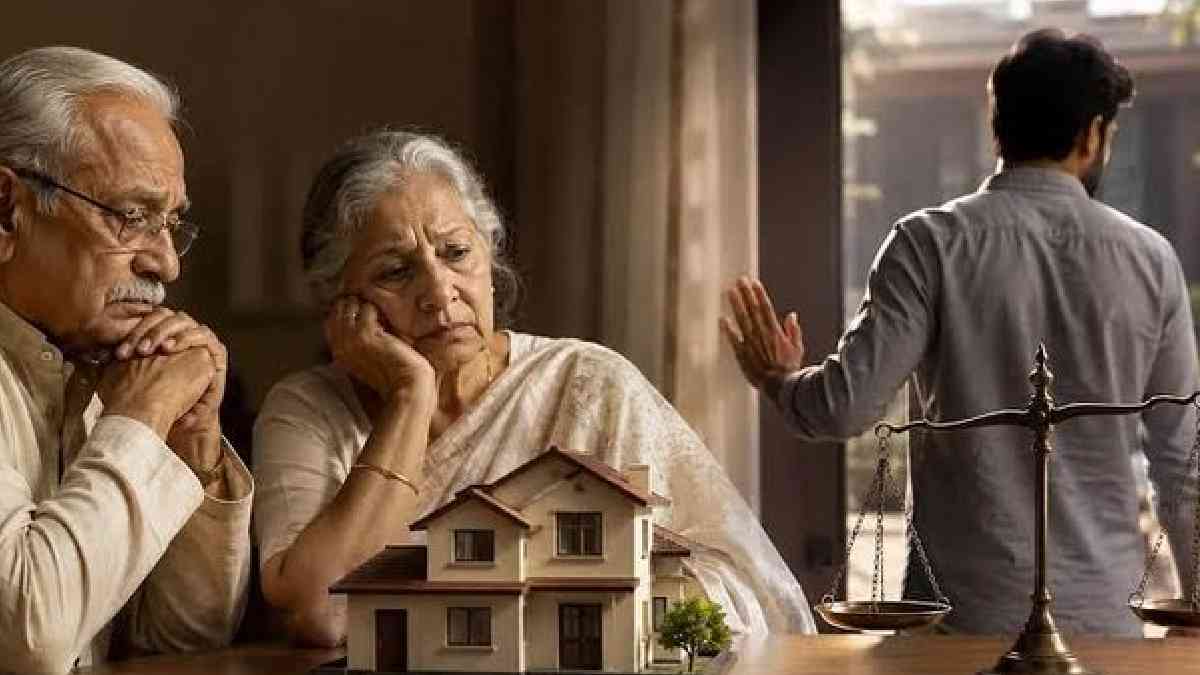
The Uttar Pradesh Cabinet approved amendments to the Uttar Pradesh Maintenance and Welfare of Parents and Senior Citizens Rules, 2014, on 25 August. Rules 22-A, 22-B and 22-C are included under Rule 22 and provide a mechanism by which senior citizens can seek eviction of children or other dependent relatives from their property if they are not able to maintain or care for them.
The move comes at a time when people are concerned about the rights, dignity and security of the elderly, the government said. The new framework will provide senior citizens with a way to protect themselves and their property when family members who are responsible for their welfare neglect or abuse them as they are under pressure to do so.
Children or relatives who are ill-treated may be evicted
Under the proposed rules, an aggrieved senior citizen can take action if a child or dependent relative occupying the property does not provide maintenance or subjects the elderly person to any form of ill-treatment. The rules outline a procedure for taking any complaint on and taking action.
The latter is designed to assist in cases where elderly parents live in their own property but are harassed, neglected, or unable to get basic care from family members living with them.
Importantly, the measure does not mean that a senior citizen can simply remove someone without due process. A complaint and prescribed administrative procedure are involved before an eviction order can be issued.
Complaints to be handled within a time-bound process
The new system is meant to make the process quicker, with complaints to be heard within 30 days, reports on the amended rules said. A toll-free assistance service has also been proposed to relieve elderly people from a lot of pain and suffering and help them get their affairs better, it said.
The changes are intended to strengthen the current legal framework to maintain and take care of parents and senior citizens to the best possible extent and not leave elderly people without effective remedies to family disputes as the conflict escalates.
Supreme Court has also backed Eviction Powers
The Uttar Pradesh government's move comes just after a Supreme Court order to protect senior citizens.
In August 2026, the Supreme Court held that tribunals established under the Maintenance and Welfare of Parents and Senior Citizens Act, 2007 have the power to order the eviction of children or other occupants from a senior citizen's property when such action is necessary to protect the elderly person's maintenance, safety and dignity.
The case was based on an elderly parent and his son’s inheritance dispute in Uttar Pradesh. The Supreme Court restored an eviction order and said the tribunal has the power to order eviction in the interest of a senior citizen.
The judgment only solidified the principle that old age should leave parents free from neglect or insecurity in their own homes.
What is the New UP Rule?
What the amended rules do is give senior citizens a better way to seek protection if their children or dependent relatives do not take care of them or treat them ill.
The general legal framework already requires children and some relatives to provide maintenance to eligible parents and senior citizens. Central law also contains provisions concerning property transfers made subject to an obligation of maintenance and measures for protecting the life and property of elderly people.
The latest changes in Uttar Pradesh are therefore significant because they seek to make the process of getting relief more structured and accessible.
For senior citizens who have family disputes, the rules will serve as a very important tool to protect both their dignity and their property. At the same time, cases will be reviewed as required by law and the administrative process for automatic eviction based on a family dispute.
The move is being seen as a step toward strengthening protections for elderly parents and ensuring that senior citizens can live with security and dignity in their later years.