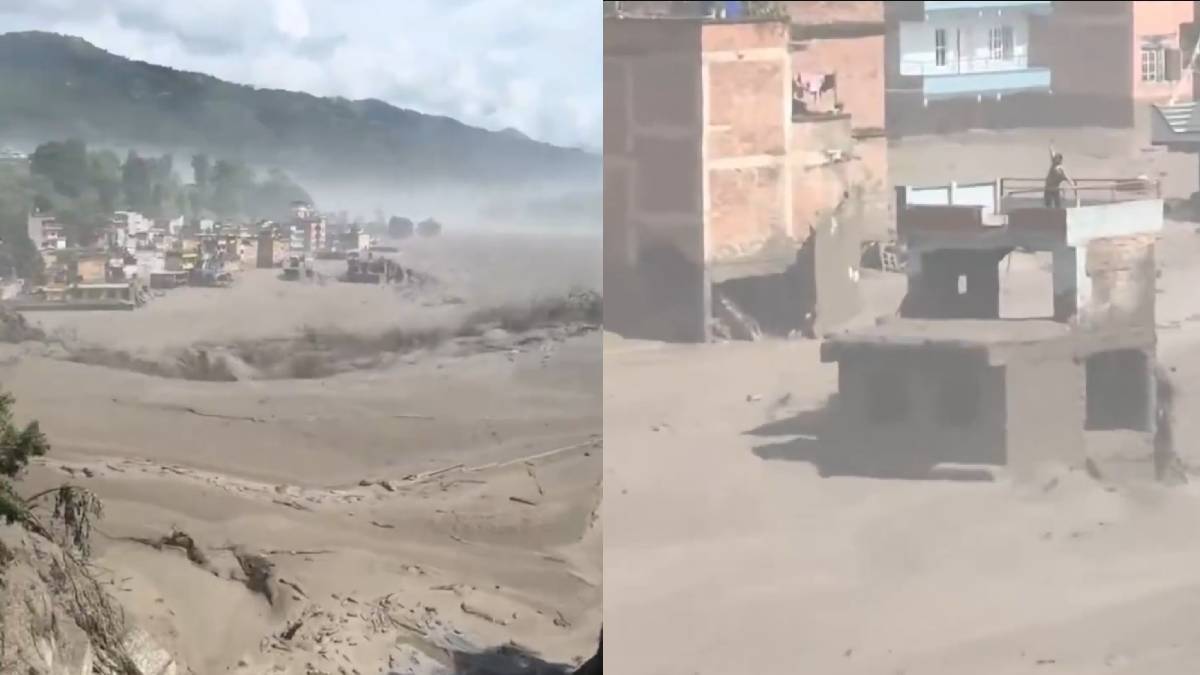
Ningde, Fujian: The remnants of Typhoon Saudel have brought intense rainfall to northeastern Fujian, sinking streets in Ningde in rapidly moving floodwater and creating difficult conditions for residents and emergency responders. Heavy rain on September 2 turned many urban areas into waterways, with vehicles partially or completely submerged and debris swept through flooded roads.
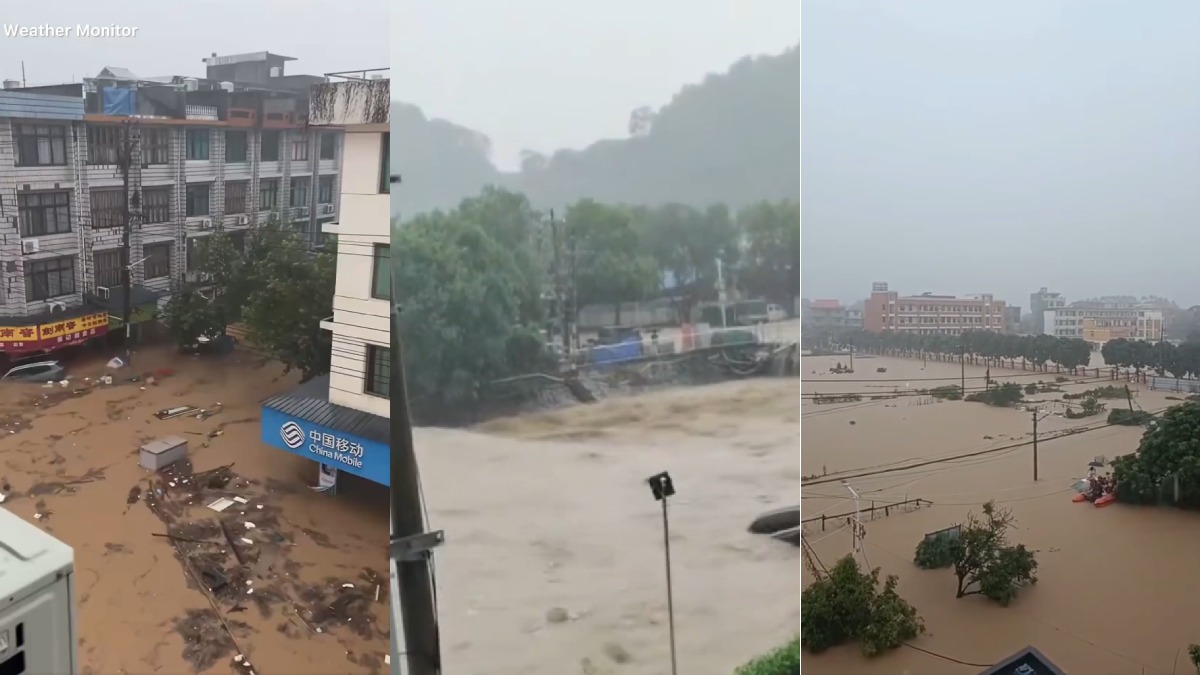
Video from the affected regions shows the extent of the flooding. Streets that would typically hold regular traffic were filled with muddy, fast-moving water, while cars were overturned or stranded amid the rising levels. In places, water levels were above knee level, making it hard for people to walk and vehicles to drive and dangerous.
Some low-lying areas were particularly hard hit by torrential rain that overwhelmed drainage systems. The ground floors of buildings were inundated and floodwater flooded residential and commercial buildings, according to reports. Floating debris and vehicles were among the hazards on already waterlogged streets.
Rainfall amounts have been particularly severe in northeastern Fujian. Some locations were recorded at 250 to 280 millimeters of rain, indicating the extreme intensity of the weather system. And that kind of rain in such a short time can overwhelm urban drainage and cause flash flooding, particularly in areas with low-lying roads and dense development.
The flooding is tied to the remnants of Typhoon Saudel, and had to deal with the weather system after no longer being a fully formed tropical cyclone. Weather systems associated with tropical storms can continue to produce large amounts of rain after their strongest winds have weakened, and they pose significant flood threats far from the center of the storm.
Ningde’s immediate problem was dealing with the rapidly changing conditions on the ground. Emergency workers and local first responder teams have been going through the debris and searching for damage. Flooded roads can also complicate rescue and recovery efforts because submerged vehicles, fallen objects, and hidden obstacles pose a danger to residents and responders.
Transport is another serious problem. Flooded roads can cause traffic to slow down, and stranded vehicles can also disrupt people and emergency services will not reach the affected neighborhoods quickly. So it is expected that officials and residents are therefore to stay alert, and as rainfall continues and water levels fluctuate, officials and residents will be cautious.
The recent flooding also demonstrates the vulnerability of parts of southern and southeastern China to intense seasonal rains. In the warmer months, heavy rainfall in the region is often accompanied by tropical conditions, and rainfall totals can be high. When weather issues come together, localized flooding can develop in hours.
Residents in flood-prone areas are urged to check for weather and emergency warnings and not to go through flooded roads. Even relatively shallow flooded water can conceivably cover up open drains, damaged road surfaces, electrical hazards, and other obstacles. Fast-moving water can be powerful enough to move vehicles, making attempts to drive through flooded streets particularly dangerous.
NOW: Severe flooding is currently affecting Ningde, Fujian, China, as torrential rainfall submerges homes and sweeps away vehicles. pic.twitter.com/lIGUn5Dwso
— Weather Monitor (@WeatherMonitors) September 2, 2026
Ningde is part of a larger pattern of unsettled weather that affects southern China. Heavy rain could put pressure on drainage systems and lead to more flooding in vulnerable areas. So water levels have been monitored, obstructions removed, and locations where they need assistance are being identified.
As the remnants of Typhoon Saudel move away, the focus will slowly shift from immediate emergency response to damage assessment and recovery. Ningde’s scenes are a stark reminder that the dangers of tropical storms are not necessarily done when the storm itself weakens. Long-term and very heavy rainfall can cause communities to flood, traffic gridlock, and property damage even after the strongest winds are over.
The safety of residents in Ningde and other affected areas of Fujian is at the forefront as authorities continue to track rainfall and assess the effects of the latest weather event. In some parts of southern China, more rain may occur, and until things stabilize and floodwaters finally begin to recede, vigilance is necessary.