A food safety inspection in a sweet shop in Hamirpur, Uttar Pradesh, took a turn when the worker refused to taste the sweets being sold at the shop.
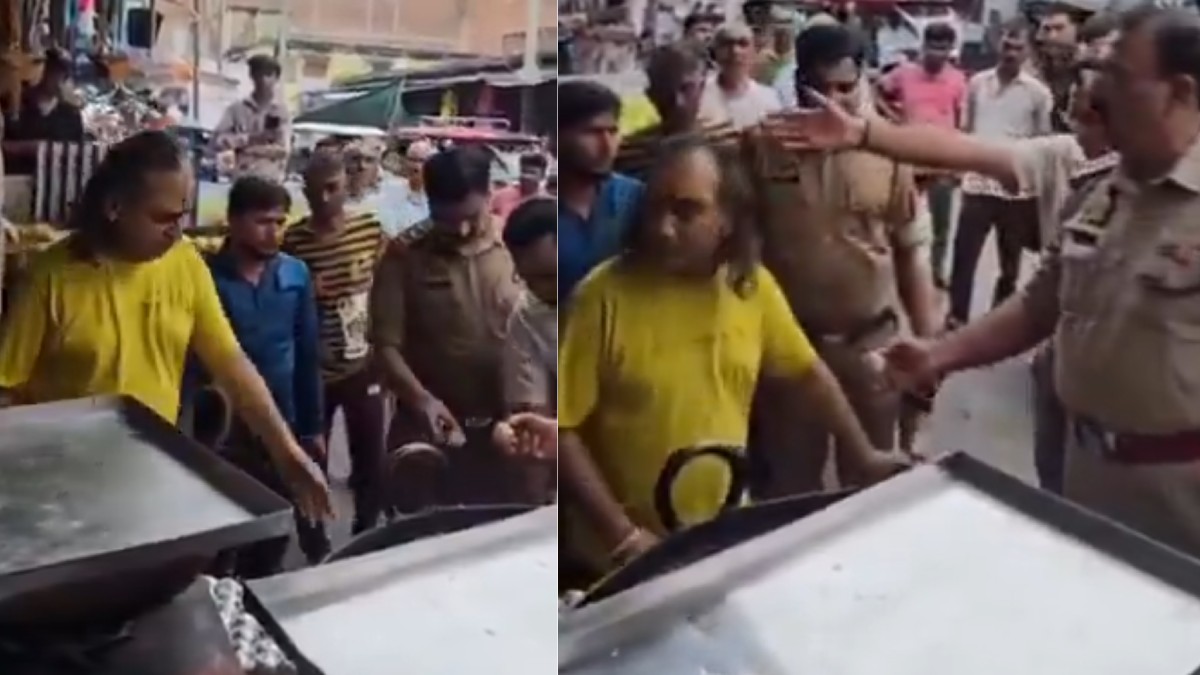
The incident took place at Jai Bhawani Sweets in Hamirpur and was recorded on video. The video circulated on social media, and users were quite passionate.
Food safety officials had visited the shop after complaints of adulteration and unhygienic conditions. There were also allegations that the shop was using a banned form of silver leaf on its sweets.
One woman fell ill because she ate sweets from the shop, and officials conducted the inspection, said one report.
An official asked the shop worker to taste one of the sweets in the establishment.
A worker who has been identified online as Anni Baba had refused to eat it despite being asked several times.
The unusual exchange was recorded on camera and was quickly picked up on the Web.
What happened in the Food Safety Raid?
Food safety officials inspected after receiving complaints about the quality and hygiene of the sweets being sold at Jai Bhawani Sweets.
Complaints included adulteration and unhygienic conditions at the shop. Representatives also looked into reports about the use of a banned form of silver leaf, commonly used as a decorative edible covering on sweets.
The worker was given a sweet and asked to taste it during the inspection.
The worker did not eat it but refused to do so.
The exchange was recorded on video and then circulated on social media.
The video got many users to ask why the worker would refuse to taste a product the shop was selling to customers.
But the refusal itself does not establish that the sweets were adulterated or unsafe. The authorities are going to have to rely on laboratory testing and other evidence to determine if any food safety violations actually took place.
After an order from the District Magistrate, officials collected and confiscated food samples from the shop for further testing.
SDM Karanveer Singh said strict action would be taken if the investigation confirmed that the shop had been selling poor quality or adulterated food.
The laboratory results will therefore be crucial to deciding what action we should take, if any.
Food samples sent for testing as video goes viral
The worker’s refusal to taste the sweets has attracted attention, but the focus of the investigation is on the quality of the food.
Food safety officials collected samples from the shop so they could be tested in a laboratory.
If the samples are found to be in violation of food safety regulations or food safety conditions, the authorities could take action against the establishment as per food safety rules.
If the testing does not confirm the allegations, the viral video alone would not be enough to establish that the sweets were unsafe.
But the incident has revived food safety concerns, especially in the festive season when consumption of sweets is up across India.
Food adulteration can be due to bad quality ingredients, harmful and prohibited ingredients, or unsafe cooking methods. Food preparation is also far more likely to be contamination-prone if people are not clean.
And that is why food safety inspections are especially important when authorities receive complaints from customers.
The Hamirpur case is also part of a wider food safety enforcement drive in different parts of the country.
In Uttar Pradesh, officials recently seized and destroyed around 300 kg of paneer from a dairy in Noida in an inspection. Other states have also increased inspections of restaurants, hotels, roadside food outlets and businesses that provide food through delivery platforms.
The viral video from Hamirpur has made the sweet shop inspection more visible than a routine food safety check.
For example, many social media users criticized the worker’s refusal and questioned why someone selling the sweets would not be willing to taste them.
Others pointed out that the worker’s refusal alone cannot prove that the sweets were contaminated.
The final answer will come from the food testing process and the investigation by the authorities.
And for now, officials have taken samples and warned that they will take action if the allegations are confirmed.
The incident should serve as a message to food safety authorities that inspections, customer complaints and laboratory testing are needed to identify potentially unsafe food.
Consumers should be wary of buying sweets, especially from shops where cleanliness or food handling practices are questionable.
The laboratory results will show whether the sweets at Jai Bhawani Sweets actually violated food safety standards as the investigation continues.
Until then, the viral refusal remains the most talked-about part of a food safety inspection that began with complaints about the quality and hygiene of the products.