International passengers leaving Indian airports are going to experience a major change in the immigration process, with authorities moving away from the practice of stamping physical boarding passes from September 1.
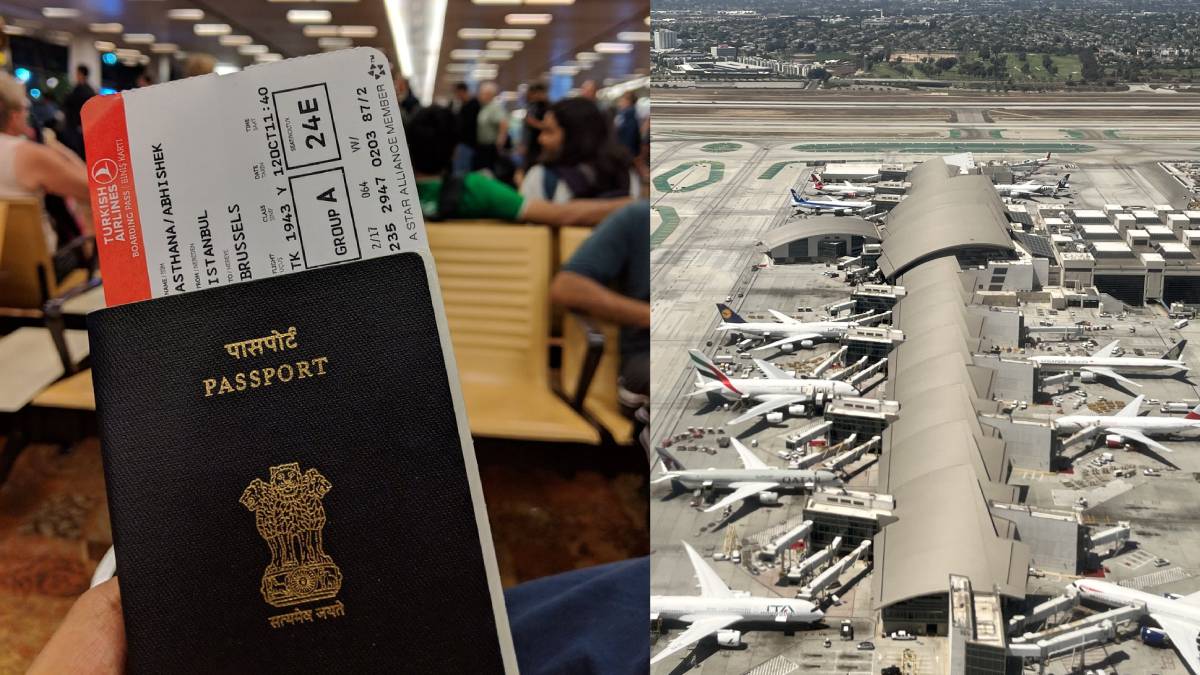
Visiting passengers travelling abroad will be able to present their e-boarding pass on their smartphones during immigration clearance instead of carrying a physical boarding pass for stamping. It is part of the broader digitisation of airport and immigration procedures and is expected to make the departure process more convenient for travellers.
For years, passengers leaving India on international flights have carried their boarding passes through many checkpoints, and immigration authorities placed a departure stamp on the document. The physical document could then be part of a traveller's record of departure.
In this proposed change, there is no need for that physical stamping.
E-Boarding Pass to become Important for International Travellers
Under the new arrangement, passengers will have access to their electronic boarding pass, generally available through an airline’s mobile application, website or other digital travel systems.
The travellers will have to show the e-boarding pass on their smartphones when they apply for immigration. So passengers should charge their phones so that they can access their boarding pass in a situation where internet is not available.
So saving the boarding pass to their phone before arriving at the airport could be a good precaution.
But the change should help reduce the paperwork and make processing immigration easier. And digital identity and travel technology are increasingly being used at airports around the world.
What changes for passengers?
The biggest difference for most international travellers will be the absence of the traditional immigration stamp on the physical boarding pass.
Instead of presenting a paper document for stamping, passengers will have their travel information digitally processed and their electronic boarding credentials displayed on their smartphones.
But travellers should still carry their passport, which is the main international travel document. An e-boarding pass will not replace a passport or any visa, entry permit or other documentation required by the destination country.
Passengers should also check their airline instructions before travelling, especially when the new system is being implemented at the beginning of the process.
The move should be especially helpful for travellers already using mobile check-in. After online check-in, passengers can usually access their boarding credentials directly from their smartphones.
Part of India's Digital Airport Push
The change is another step towards greater digitisation of India’s aviation infrastructure.
Indian airports are increasingly adopting technology to help reduce the need for manual checks and waiting time. Digital boarding passes, biometric authentication and automated passenger processing are more common at large airports now.
The removal of physical boarding-pass stamping could make immigration processes less dependent on paper documents and make them more efficient.
For airport authorities, digital records can be a more streamlined way of maintaining passenger movement information. Instead of physical stamps, travel and immigration information can be stored electronically.
Travellers should prepare for change.
Because of this new system, international travel would be easier, but passengers should take some basic precautions.
When travelling, the e-boarding pass should be downloaded or saved by the traveller before reaching the airport, the smartphone battery should be charged, and the passport should be accessible in the terminal area. A backup copy of travel documents may also be useful during the transition period.
Passengers travelling with older family members or people who are less comfortable using smartphones may also want to help them access their digital boarding passes.
This will be especially important for passengers to follow instructions from their airline and airport authorities in the rollout because procedures may vary from airport to airport and flight to flight.
A More Digital Future for Air Travel
The decision to move away from boarding-pass stamping is indicative of a broader aviation industry change. Paperless processing, digital identification and automated clearance systems are all going to be used at airports.
As a passenger, however, the change could mean fewer documents to carry and potentially faster processing at immigration counters.
The September 1 transition will therefore be an important step in India’s move towards a more digitally integrated international departure system.
While the physical boarding pass may not need an immigration stamp anymore, travellers also need to remember the passport and other travel documents.
With the implementation of this new system, international passengers who fly from India are advised to check their airline's latest instructions before travelling and to also ensure their e-boarding pass is easily available on their smartphone.
If implemented smoothly, the move could make one of the most important stages of international airport processing— immigration clearance— more convenient, paperless and digitally driven.