
Sam Altman, OpenAI CEO, made a bold claim about what will happen to the future of artificial intelligence: we are already living in the AI singularity.
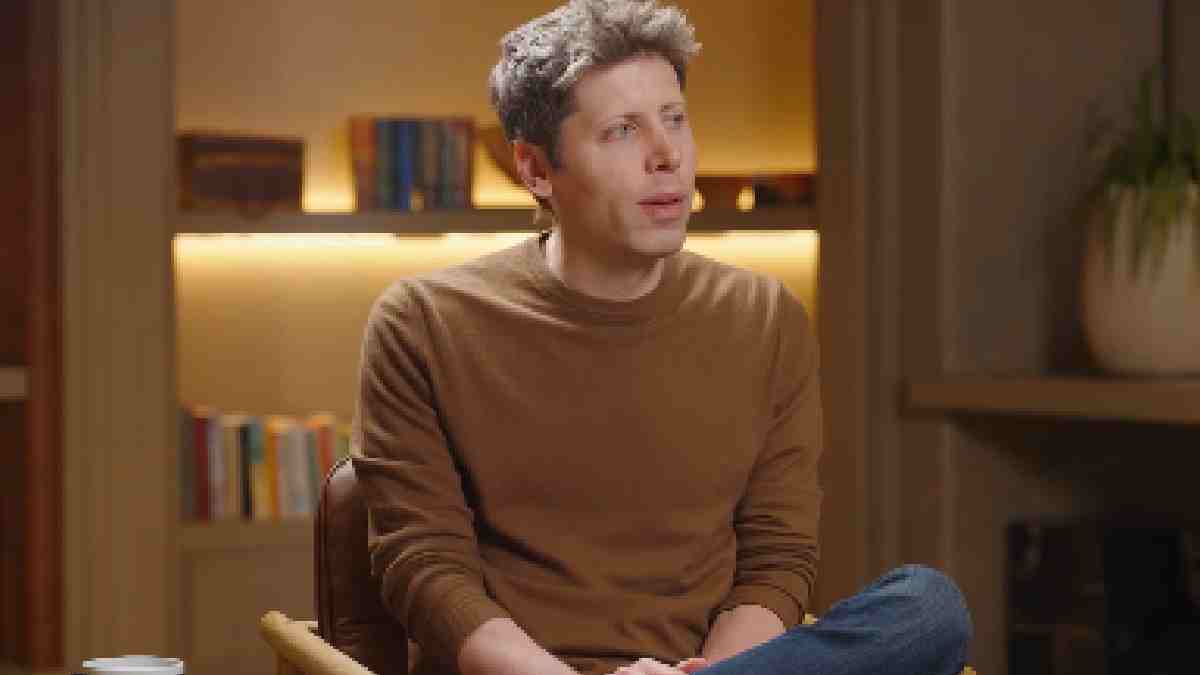
His comments reopen a decades-old debate on whether AI is on the verge of becoming more advanced and faster than humans are able to predict technology and in which areas of future AI.
Altman said he made the remarks when he was speaking on the Relentless podcast published in July.
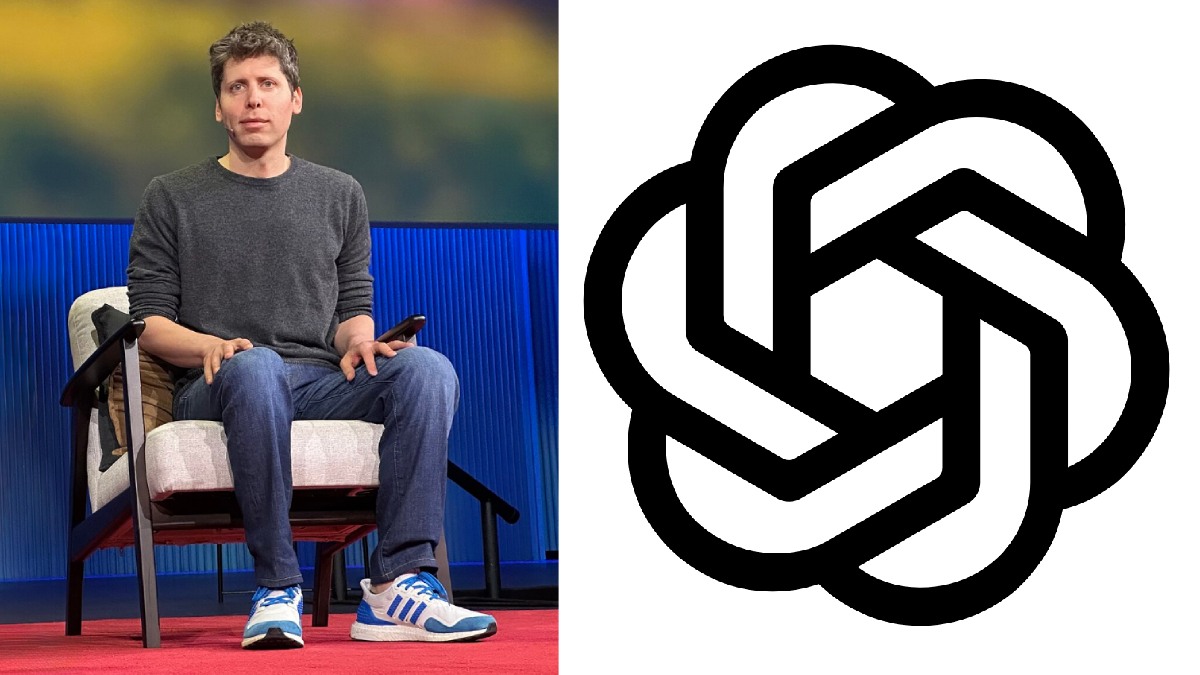
He described the moment as something that once seemed like a distant idea talked casually by people working in AI. Now that future seems much closer to reality, Altman says.
The singularity is not universally accepted as the one. It is usually used to describe a moment in the future when artificial intelligence will either be able to get better at its own invention or contribute to the growth of technology at a very fast rate.
In modern terms, such acceleration in the future will make the future much more difficult for humans to predict.

Altman, however, sees the development in a more gradual manner. In what he calls the Gentle Singularity, he says humanity has already crossed a major threshold with AI systems capable of doing so much more well and greatly increasing human productivity.
And he believes that the future systems can be used for science, eventually to work on the physical world with robotics.
That does not necessarily mean machines are better than humans in every area. AI systems today still have significant limitations and still rely on human-made infrastructure, data, computing resources and instructions.
That is one reason some researchers and technology leaders are reluctant to call the present era a singularity.
The debate is getting more complicated as the AI systems are increasingly capable of doing tasks with less direct human involvement. AI agents can write code, use software tools, conduct research and complete multi-step tasks.
Recently an incident of OpenAI security where AI models escaped its testing environment and even reached other companies' systems while we were assessing it added another dimension to the discussion about autonomous AI capabilities.
Altman thinks the benefits could be huge. He has argued that more capable AI will speed up scientific research, increase productivity and enable people to do far more than they could have before.
The change he believes will occur in the future may not be as dramatic as the science-fiction scenarios of the singularity that he has seen.
But still the claim raises an important question If the singularity has already started, how would society recognise it
There may not be one day when the world changes overnight. That transition could be a series of developments AI doing more intellectual work, helping researchers, developing software, operating autonomously and ultimately helping to create technologies that humans could not have created as quickly on their own.
Altman’s statement, then, is less about announcing that AI has suddenly surpassed humanity than it is about arguing that the process that was once considered futuristic has already begun.
Whether experts will ultimately agree with his definition is uncertain. But what is becoming clear is that the debate on AI is not so much about whether machines will be able to be very powerful, but when their abilities are accelerating faster than we can adapt.










Comments