In Gujarat’s Patan district, a disturbing incident has once again laid bare the caste hatred which continues to wreak havoc on the community. A Dalit groom was attacked with swords by men from the Thakor caste during his wedding procession. Casteist slurs had been thrown at him alongside the violence, turning what should have been a happy wedding into an event of fear and humiliation. It wasn’t only a physical act of aggression, but also an intentional attempt to strip a community of inherent dignity and equality.
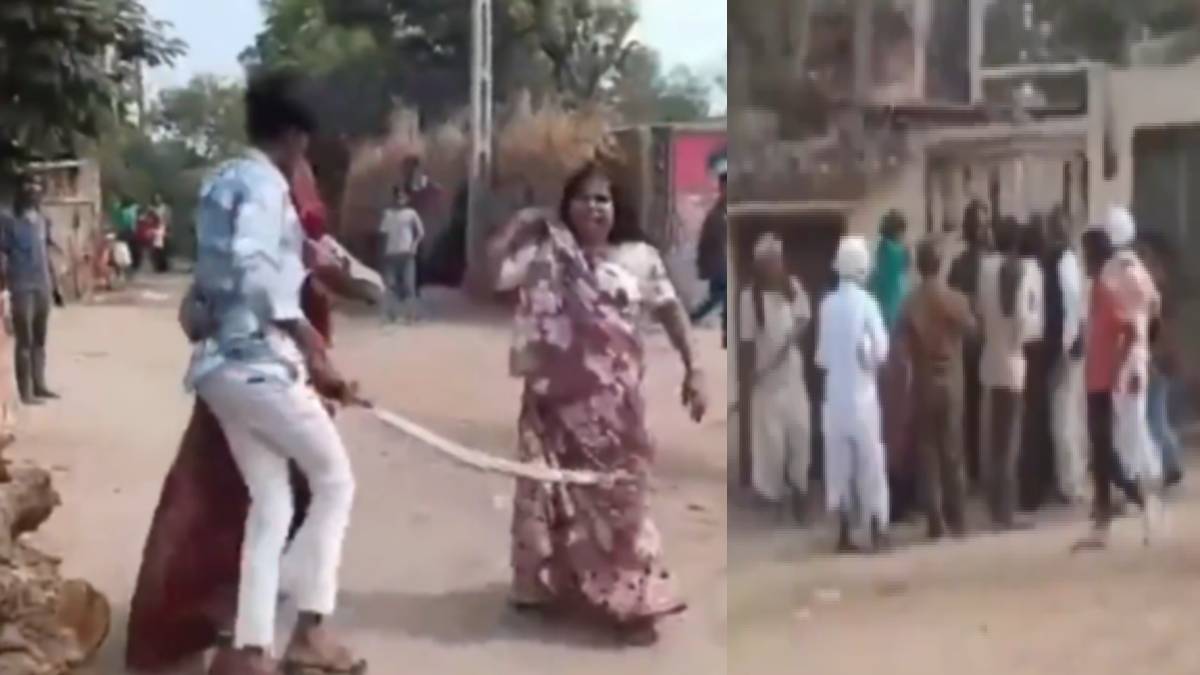
The act of riding a horse at a wedding is an occasion that reflects the pride and celebration of the event. It may also be seen as a stand against centuries of exclusion, which have relegated Dalits to the background and had long denied them such practices. The attackers’ words “how dare you ride a horse in your wedding?” betoken the mental habits behind the violence. The issue wasn’t even a horse, it was how to maintain a caste hierarchy and punish anyone who dared to oppose their rule. The violence in this episode illustrated the physical manifestation of caste-based prejudice and that it does not rely solely on social attitudes. The happiness of the Dalits is viewed as a threat to the ego of those that hold on to caste superiority based beliefs, which is a toxic mindset.
"Dalit groom attacked with swords." 🚨
— Suraj Kumar Bauddh (@SurajKrBauddh) February 3, 2026
"how dare you to ride horse in wedding?"👹
Thakor caste men attacked a Dalit boy with swords in Gujarat's Patan and hurled casteist slurs at him for riding horse at his wedding.
Casteist terrorists get hurt after seeing any happy moments… pic.twitter.com/jPudU9W9Lt
They are memories of the dangers of demanding dignity and equality. Weddings, festivals and the like events intended to invoke joy can be the object of hostility. The results are fear and insecurity that make it difficult for people to live freely in their rights and traditions. The emotional damage is heavy. Families that should be celebrating are instead traumatized. Communities feel unsafe, and the message conveyed is their happiness is unwanted. And this is no ordinary violence against individuals, but violence over identity, and culture for that matter; the right to live with dignity.

Something like this needs strong consequences. Attacks motivated by caste hatred need to not become viewed as localized feuds but matters of utmost importance to confront head-on. No less important, law enforcement needs to ensure that offenders are punished, and that victims are kept safe and supported. Silence, or lax remedies, only strengthens the individual who does that. Society-level civil society and government institutions must come together to prevent casteist attitudes and to make sure that cultural practices are respected in all of its communities. Caste discrimination is illegal though laws are in place, but policing has to be stronger and more sustained.
This attack is more than one wedding in Patan. Dalits in India continue to be treated with violence when they challenge oppressive law, including when they ride horses, when they walk into temples and when they participate in festivals. Each one is a testament to the continuing bias tied to caste and the desperate need for reform. Honoring traditions and traditions of all groups forms a basis of any fair and just society. To deny these rights is to be the complete undoing of democracy and equality. Defending Dalit rights is not just a protection principle. Every citizen can have a dignified life.
This incident must be seen as a wake-up call. Violence rooted in caste prejudice will never be tolerated. There must be a community will to stop hate such as this and to protect the right of Dalits to hold their own lives with excellence. Riding a horse at a wedding shouldn’t be an act of rebellion, it’s a simple custom that everybody has access to. Civil society has to be based on a culture of respect, safety and responsibility. Until caste based violence is challenged and eradicated there will not be equality.
The assault on the Dalit groom in Gujarat is a sobering reminder of the difficulties faced by the underprivileged. This is bigger than one wedding; it reflects the struggle for dignity and justice that continues today. Cultural rights and tradition is humanity and defending them is a matter of protecting humanity itself. They need to be brought to heel and society must change. That's when every community can celebrate without fear and in the respect it needs and deserves.