A mother was said to refuse to touch her newborn baby girl because she wanted a boy instead. Video and photos of the incident have made headlines on social media, leading to outrage and discussion over gender bias, parental responsibility and emotional health.
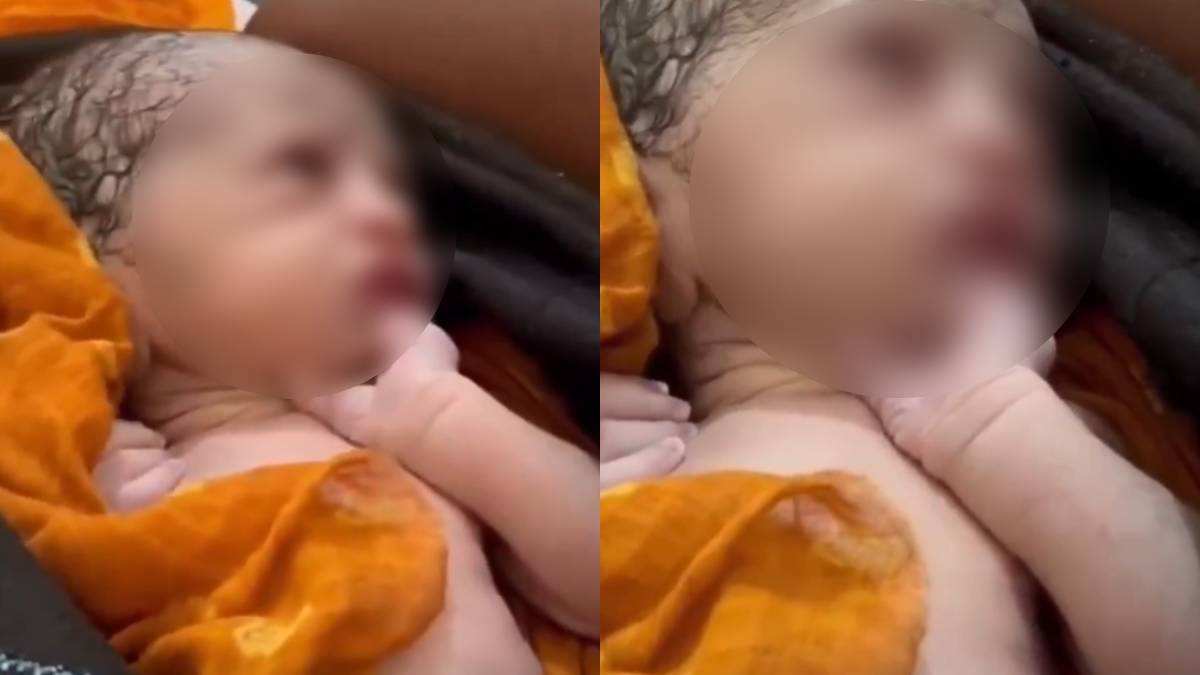
Reports say the woman had delivered a baby girl but refused to hold her or even touch her. Witnesses said the mother had hoped for a son as she was disappointed to hear. The newborn, swaddled in cloth, was observed with an expression of furrowing brow that many of its own internet users thought felt her mother’s negative energy. It went viral, drawing widespread condemnation.
Across social media, the video has ignited intense emotion. Many users had no idea that a woman could reject her child, based on gender. Comments described the act as heartbreaking, inhumane and a symptom of profound cultural problems. Activists and parents have weighed in, saying that every child deserves love and care, regardless of gender. The incident has also rekindled conversations about the importance of addressing cultural biases that privilege male children.
This case sheds some light on the ongoing problem of gender discrimination in aspects of society. Such attitudes can have long‑term psychological consequences for children and advance inequality, experts said. Campaigners stress the necessity of education, counseling and awareness programs to change mindsets. They say that parents need to be taught to value daughters equally and that communities have to work together for the destruction of ill‑founded stereotypes.
Further than the social implications, the incident is fraught with worry for the mental health of both the mother and the child. Yet rejection at birth could have long‑lasting effects if not responded to. Psychologists say bonding in early childhood is critical and may shape emotional well‑being. It underscores the urgent need to confront gender bias and make every child welcome. With public disapproval continuing to grow, perhaps this matter might in‑turn spark a thoughtful discussion and lead to action, thus illustrating in general terms the fact that every child boy or girl should receive dignity, care, and undivided love.