A major diplomatic engagement took place between Chinese Foreign Minister Wang Yi and National Security Adviser Ajit Doval at the BRICS National Security Advisers' Conference in New Delhi. The talks were on bilateral relations, border stability and regional security, and the broader roadmap for the relations of neighbouring countries to be restored. Both sides said that communication was restored and that they would work to keep momentum in the relationship going, the conference said.
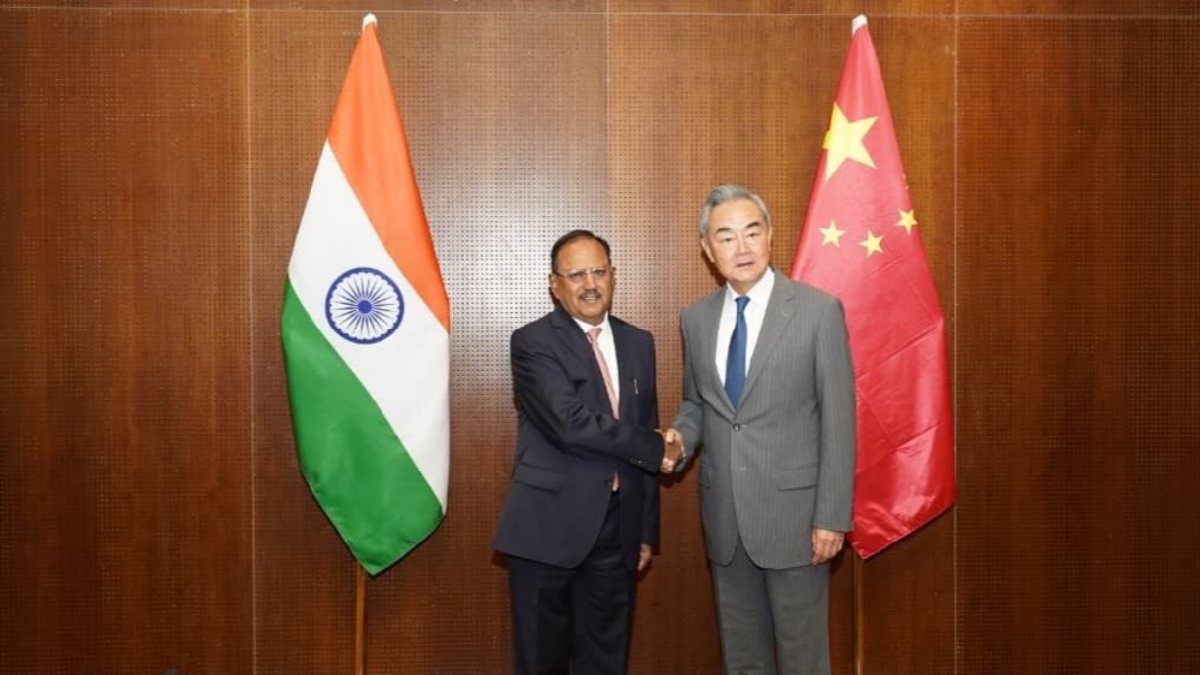
Wang Yi Urges India and China to Act on Leadership-Level Consensus
Wang Yi’s central message from the meeting was that India and China leaders have come to realize that it is in the two countries’ interests to view each other as partners rather than rivals. The readout of the Chinese government states that it is the most important strategic consensus on bilateral relations that has been reached. With two of the world's largest developing countries, China and India, both countries should look beyond the short-term disputes and look at one another from a global point of view. This is why Wang said both sides must make efforts to implement the consensus that their leadership reached and work together so that the development of the world’s developing countries is achieved as well as to help to create the Global South.
The comments are consistent with China's recent diplomatic messaging towards India. Similar statements were made during Wang’s previous meetings with Indian leaders, when Beijing repeatedly stressed that competition should not define the relationship between the two countries.
Boundary Issue and Special Representatives' Dialogue Remain Central
Apart from the BRICS talks, Wang Yi and Ajit Doval also met in their capacity as Special Representatives on the India-China boundary question. The Special Representatives mechanism has been one of the most important diplomatic channels to handle one of the longest unresolved border disputes in the world. Since the establishment of the mechanism in 2003, it has been a major player in peacefully resolving the conflict and finding a solution to the boundary issue.
The officials from both sides discussed developments in border management and the necessity of maintaining peace and order along border areas. The continuation of such talks is seen as a good sign, especially after years of military and diplomatic efforts to ease tensions and restore stability. Experts believe that continued engagement through this mechanism will be essential to ensure that border disputes do not become a barrier to bilateral cooperation.
BRICS Platform Highlights Renewed Diplomatic Momentum
The meeting also highlighted the increasing importance of BRICS as an arena for strategic dialogue between the emerging economies. India hosted the BRICS National Security Advisers' Conference for senior security officials from member countries to discuss regional and global issues (security, cooperation and governance) and how it will benefit them. Wang Yi’s visit to New Delhi itself was seen as a signal of continued diplomatic engagement between the two countries.
Even in the face of huge challenges in India-China relations, both governments seem determined to continue dialogue and to expand cooperation when possible. The Doval-Wang meeting was certainly a cautious but open attempt to build on that recent thaw in relations. What can be achieved eventually is to build on this momentum and to build trust and long-term stability not just with our countries but also with China on the side of the border, on the side of conflict and strategic competition. And at present, New Delhi is more about engagement than confrontation; cooperation between Asia's two powers is something that has implications far beyond the border.