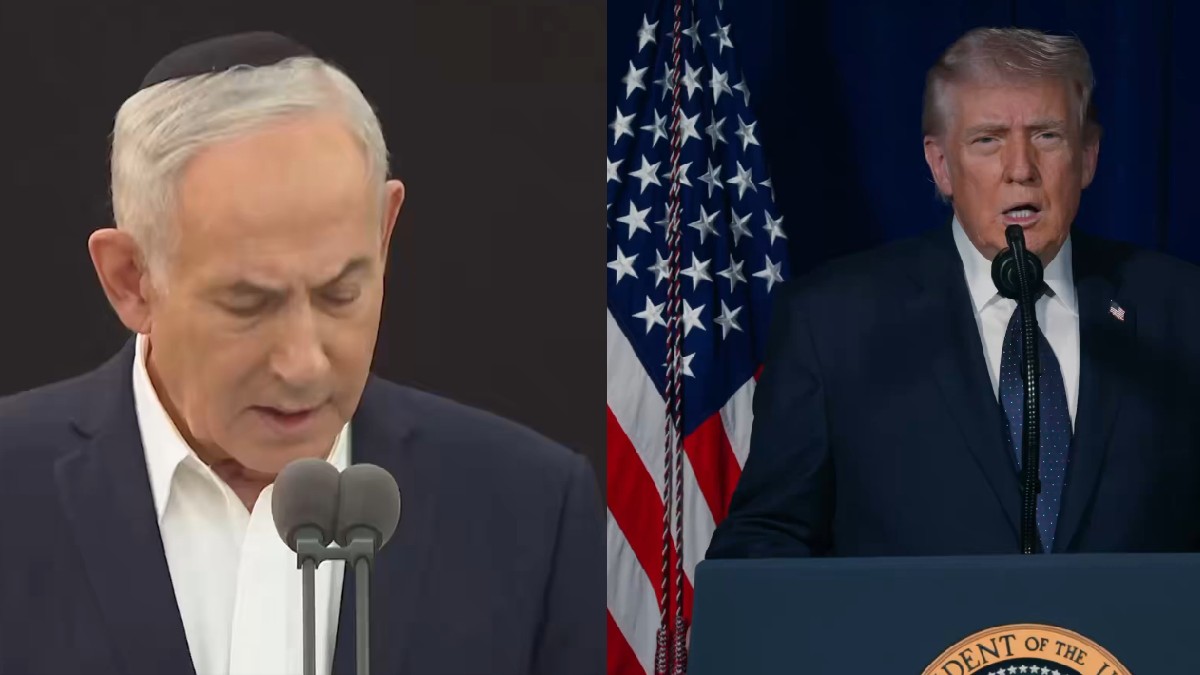
US Vice President had last year proposed India to send troops to Ukraine as part of a peacekeeping mission amid the ongoing war with Russia, according to a book by New York Times journalists Maggie Haberman and Jonathan Swan. It will take place in the early months of Donald Trump’s second term so far, a new book on the early months of American President Donald Trump’s second term and how India, Ukraine and a potential international peacekeeping force might collide has been published. New York Times journalists Maggie Haberman and Jonathan Swan say that in the book “Regime Change: Inside the Imperial Presidency of Donald Trump,” the US Vice President JD Vance suggested that India could send troops to a peacekeeping mission in Ukraine with the assistance of the US to support them. But Trump, the book says, rejected the idea by saying he’d do so almost immediately.
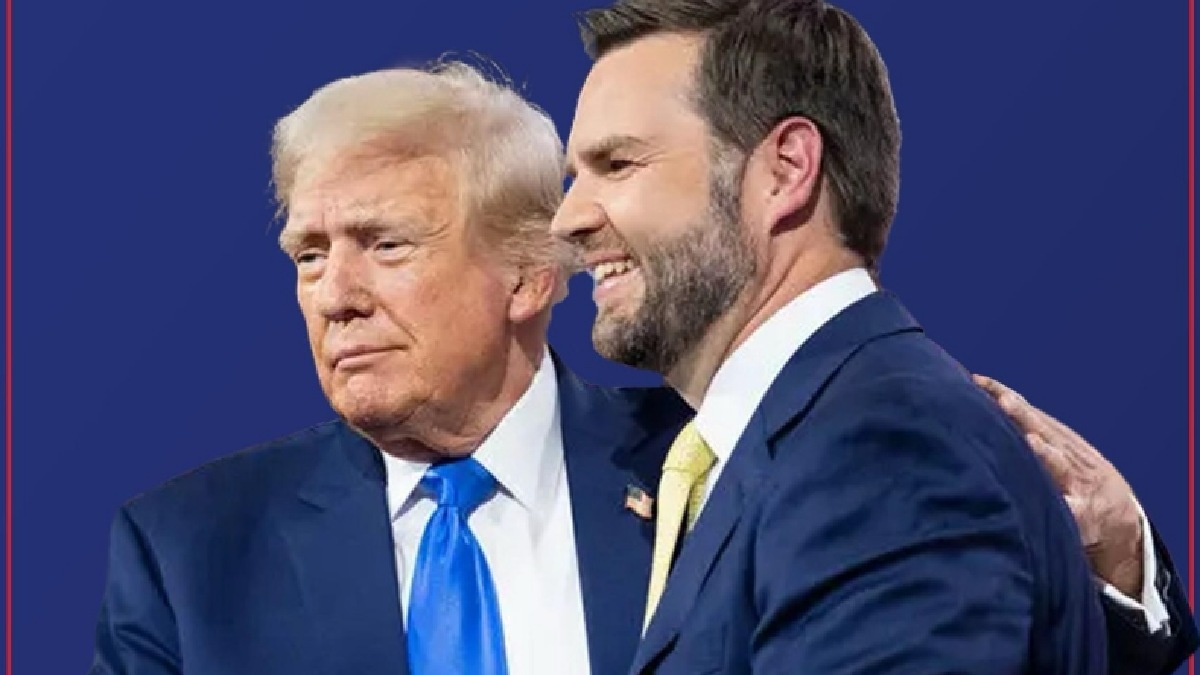
The conversation took place just 10 days after Donald Trump's inauguration and took place in a high-level Oval Office meeting on the Russia-Ukraine conflict. Retired Lieutenant General Keith Kellogg, Trump's special presidential adviser to Ukraine and Russia, presented a plan called *"An America First Plan: Trump’s Historic Peace Deal for Russia-Ukraine War.”* The plan would say that the U.S. would not formally recognise Russia’s territorial claims in occupied Ukrainian territories, but Kyiv would not try to win those territories back with military force.
According to the book, concerns emerged during the meeting about the possibility of NATO troops as part of any peace agreement. Vance argued that NATO forces might provoke Russia and put the United States deeper into the conflict. Looking for alternatives, he wondered whether troops from non-European countries might be apt for such a task. National Security Adviser Mike Waltz suggested looking beyond Europe, Vance says, and mentioned countries like India and Saudi Arabia.
The authors say Trump's reaction was as immediate and dismissive as he could be, and he chuckled and replied, “The Indians won’t do that. They won’t pay for something like that.” Trump also added that Modi liked him a lot and wanted to visit; he also said India was generally reluctant to bear the costs of such international commitments.
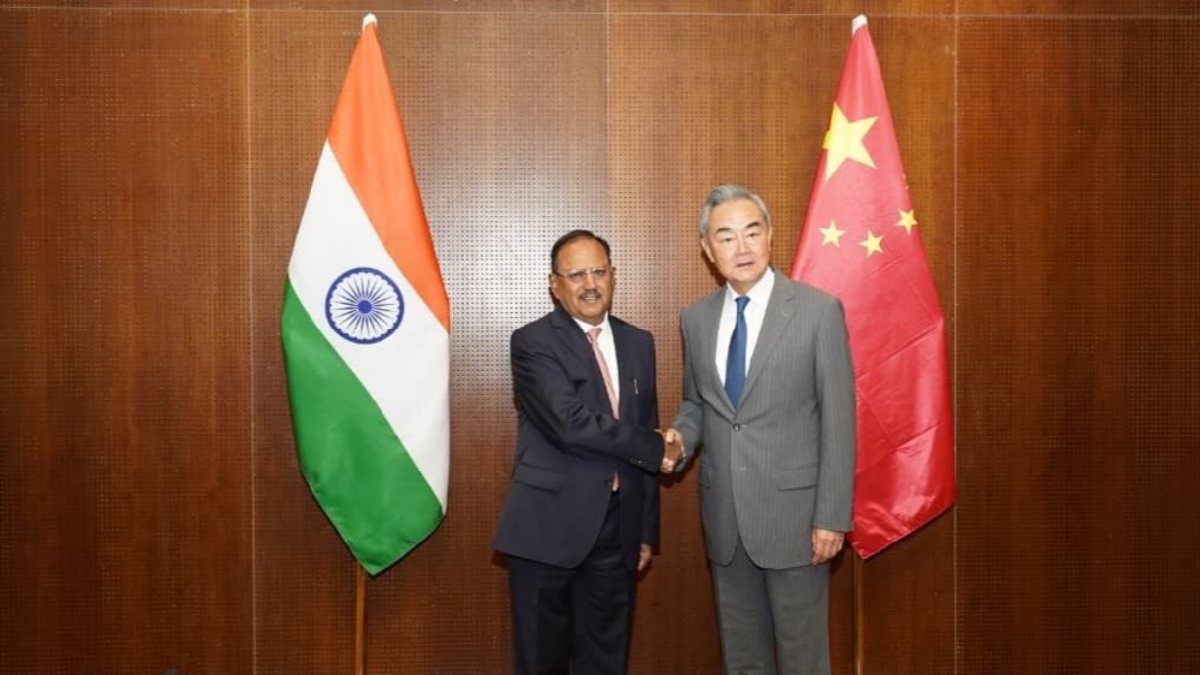
The exchange is interesting from the viewpoint of internal discussion of possible diplomatic and military ties to the Ukraine conflict. India has always been in a neutral stance on the Russian-Ukraine war and has advocated dialogue and diplomacy and not active involvement. New Delhi has also maintained good relations with Moscow and Western countries during the war and has a policy of strategic autonomy.
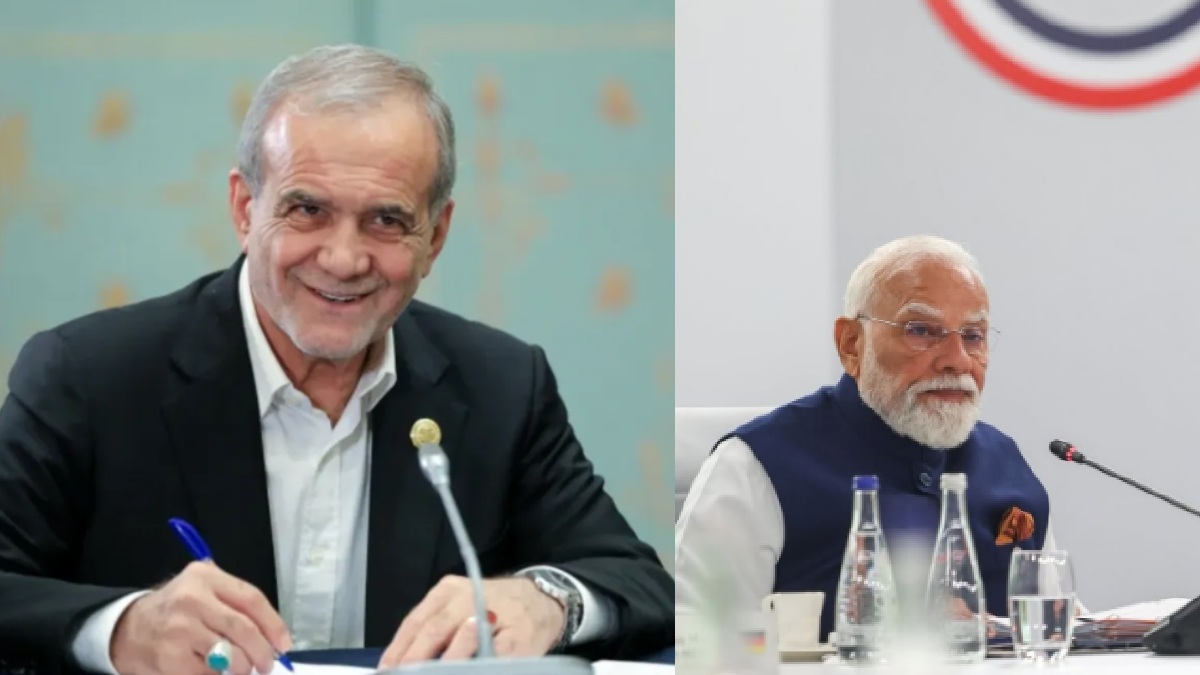
While neither the White House nor Indian officials have commented publicly on the book, the revelations add to a long-running debate about how much global powers looked at possible routes to a resolution of the war. The book also details India as an important player in the world’s peace and security planning in the aftermath of the war between Russia and Ukraine.