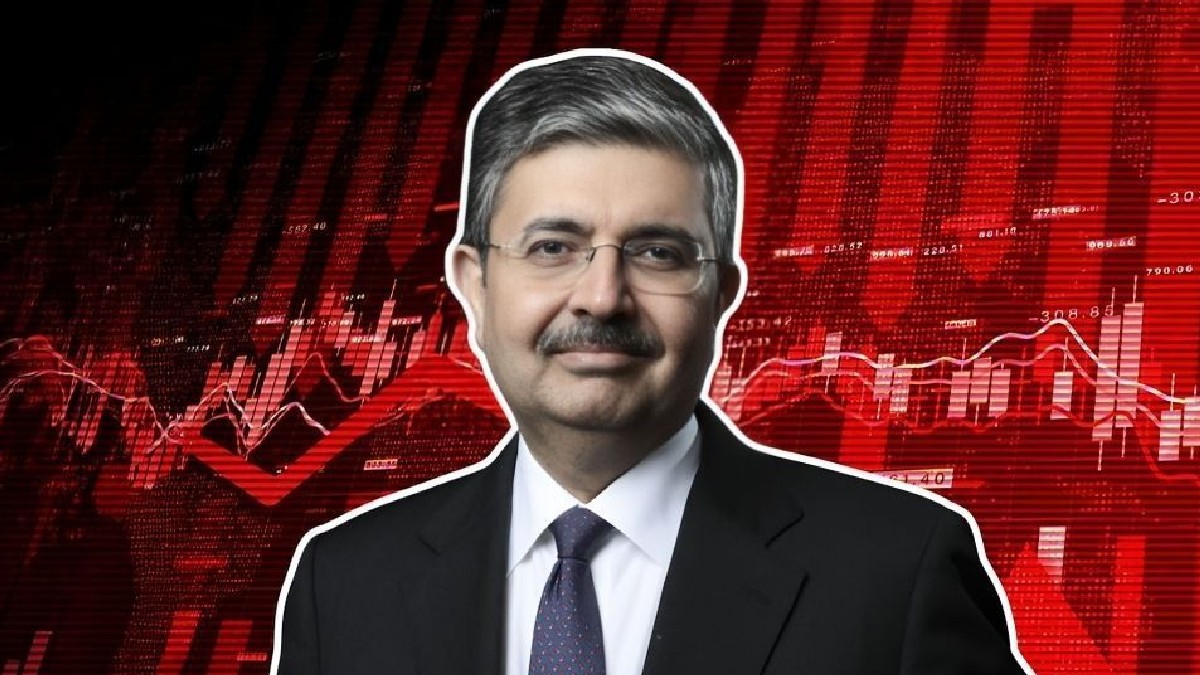
In an earlier statement of caution, Uday Kotak commented: “We do not witness the impact in the last two months of the crisis in West Asia; it is imminent and big. Prepare for the worst.” His words capture the essence of an aspect of things that has not completely come to fruition but which promises big consequences for international markets and economies.
The West Asia crisis has already rattled the region politically and socially, but its economic reverberations are still gathering momentum. Historically, geopolitical disputes in this region have long delayed but potent consequences for global trade and finance. Kotak’s caution implies that although the initial disruption might feel more muted, the long-term damage seems inevitable and possibly catastrophic.
Energy security is among the biggest worries. West Asia remains a crucial center for oil production and supply routes. Any further escalation would upset those flows, forcing up the prices of crude oil worldwide.
For a country like India that depends on energy, this could result in ever-rising inflation, larger fiscal deficits and continued strains on household budgets. Industries that depend on fuel, like transportation and manufacturing, could be hit hardest.
Geopolitical uncertainty also plays a major part in financial markets — it is often felt much more than in the energy sector. As a result, investors are often risk averse, contributing to capital flight, currency fluctuations and volatility in equity markets.
Emerging economies—dependent on foreign investment could face liquidity problems and tighter credit conditions. Kotak's warning is therefore not only about oil it also represents a general issue with global financial system fragility.
Preparation is vital. Policymakers should further bolster contingency planning, diversify sources of energy and add fiscal buffers to absorb shocks. These companies should rethink supply chains, protect against currency volatility and implement resilience measures. And people, as well, have to watch out, to make good money decisions and watch over world events. Kotak’s formulation of “prepare for the worst,” for instance, is a plea to prepare with a proactive mindset rather than a reactive one.
The delayed impact of the West Asia crisis is a stark reminder that global shocks seldom stay behind their roots; the coming months are likely to try the hardiness of economies, markets, and societies everywhere. How well nations and individuals can adapt will dictate how effective they will be in weathering the storm. Kotak’s words provide both a cautionary and guide for maneuvering through uncertain times.