Escalating tensions in West Asia are once again bringing worries in global markets, including the future of crude oil prices.
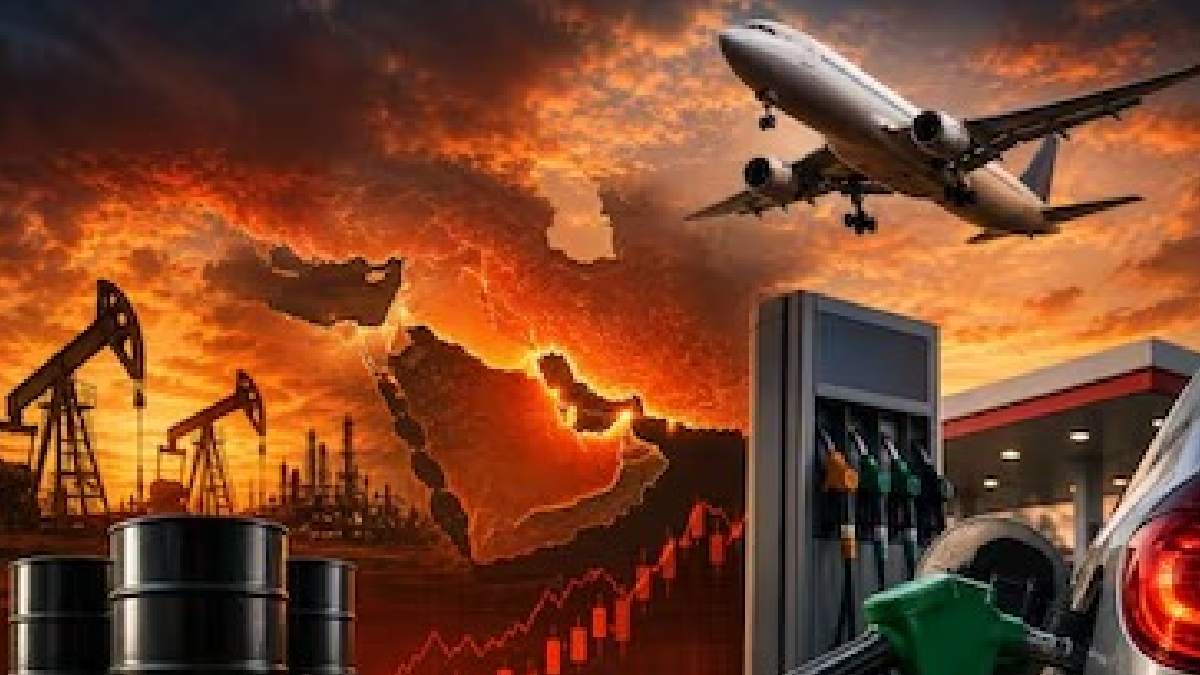
The conflict may not seem that far removed for a large number of nations, but its repercussions on the economy may not be inscrutable, especially in countries like India, where millions are on edge over whether petrol, diesel, cooking gas and flight tickets will price up in the coming weeks.
It’s not a worry, just from theory. World energy experts, including the International Energy Agency, have warned that the oil market is on its way towards a sensitive period on uncertain ground.
Any severe disturbance in the region could lead to sharp fluctuations in crude prices, which would not only depress economies that rely heavily on imported oil but also weigh on prices for imported products, he said. India is one of the countries most susceptible to the swings in the world oil prices, since it imports almost 85% of its total oil needs.
This high degree of dependence is such that even a modest rise in world oil prices may have an immediate impact on the country’s economy, transport costs, and household living costs. One of the principal sources of concern is the Strait of Hormuz, a narrow but strategically vital maritime route for much of the world’s oil, which passes via the strait every day.
Crude oil is also passed through this artery, and a great many Gulf countries export it through it, making it one of the most important energy corridors globally. Should tensions escalate around the Strait of Hormuz, shipping routes could be interrupted or delayed, or security risks could be aggravated.
And the worry of instability in the region itself is often enough to surge global oil prices because traders expect it at least in some instances, as well as any potential shortfall in the region and freight transport difficulties. In India’s example, these developments have dire economic consequences for the country as well. High crude oil costs impact fuel prices, raising the price of petrol and diesel.
This affects transportation, agriculture, logistics, manufacturing and daily commodities, in turn. Because fuels hit nearly every industry, higher oil prices can also add to inflation and dent consumer buying power. The aviation industry, too, could feel the pressure.
Aviation turbine fuel is one of the largest operating expenses for airlines, and an increase in oil costs could result in expensive flight tickets for passengers. Expenses on international travel and the freight carry-around could also increase. India has embarked on many initiatives to become less susceptible to oil shocks over the years, including diversifying its import and purchasing sources and expansion of strategic petroleum reserves, experts say.
It is still largely vulnerable as an energy-hungry country and an emerging and growing economy in the Gulf. Financial markets are keeping a close eye on it as well. Rising oil prices can weaken the Indian rupee because the country needs more foreign currency to finance import expenditures. If the rupee is weaker, then import costs increase, causing a further burden to government finances.
Economists also note that such extended instability in West Asia will bring on broader economic problems that go beyond what it costs for fuel prices. Sectors and businesses ranging from transport, tourism and manufacturing to retail could suffer the effects indirectly if inflation spikes or consumer demand cools out.
Meanwhile, analysts say that global oil markets are intricate and determined by a combination of factors, including oil-producing countries’ production decisions, shifts in demand, inventory and diplomacy. There is no need for immediate panic, but the existing geopolitical confusion is being accepted by states (and international financial institutions).
For ordinary people, the number one worry is still practical and immediate: whether daily costs will go up. In a nation where fuel prices affect everything from food delivery fees to bus fares and airline tickets, advances in far-off geopolitical locations can have sudden ripple effects on daily life.
As tensions rage on across West Asia, India and several other oil-importing countries are likely to keep an ear to the ground, establishing contingency plans if global energy supplies are suddenly disrupted.