West Bengal has ordered closure of 252 madrasas after a statewide survey of approval status, infrastructure and management practices of educational institutions across the state was conducted. Almost 100 other madrasas have been issued show-cause notices and may be subject to further action if their responses are found unsatisfactory, officials said.
The state Minority Affairs and Madrasah Education Department took action after a field-based survey began in early June. The exercise was intended to find out the number of authorised and unauthorised madrasas operating in West Bengal and to see if they were meeting the required standards. Minority Affairs and Madrasah Education Minister Kshudiram Tudu said madrasas with the required permission would continue serving.
The government cited a lack of basic infrastructure and lack of necessary approvals as reasons for action against the institutions, according to reports. And officials have flagged academic and administrative compliance, such as whether institutions are following prescribed educational guidelines. But the government has also said the aim is to provide education to students in line with standards.
The impact of the first phase of the crackdown is clearly evident in several districts. Malda has the highest number of institutions on the closure list, with around 44 to 45 madrasas shut down. Uttar Dinajpur has around 37, while South 24 Parganas has about 32. Murshidabad and Nadia have also seen around 25 institutions each getting closure notices. Some of these districts are located near West Bengal's international borders and this has also raised the question of the government's verification effort.
The action has generated a political response in the state. Supporters of the government’s move have said that institutions operating without the necessary approvals or basic facilities should be regulated. BJP leaders have also claimed that extremist activities have been carried out and that people accused of such activities were linked to madrasa teaching in some cases. The above allegations have been made by political leaders and are not the basis for the closure orders cited by them.
Opposition voices have also questioned attempts to associate all madrasas with the allegations of illegal or extremist activity. Trinamool Congress MLA Kunal Ghosh said that all madrasas should not be treated alike and the government’s position is that institutions functioning with proper approval will continue to operate. So the debate has moved beyond infrastructure and registration issues to minority education, regulation and political rhetoric.
Political poetry at its peak.
— Subham. (@subhsays) September 16, 2026
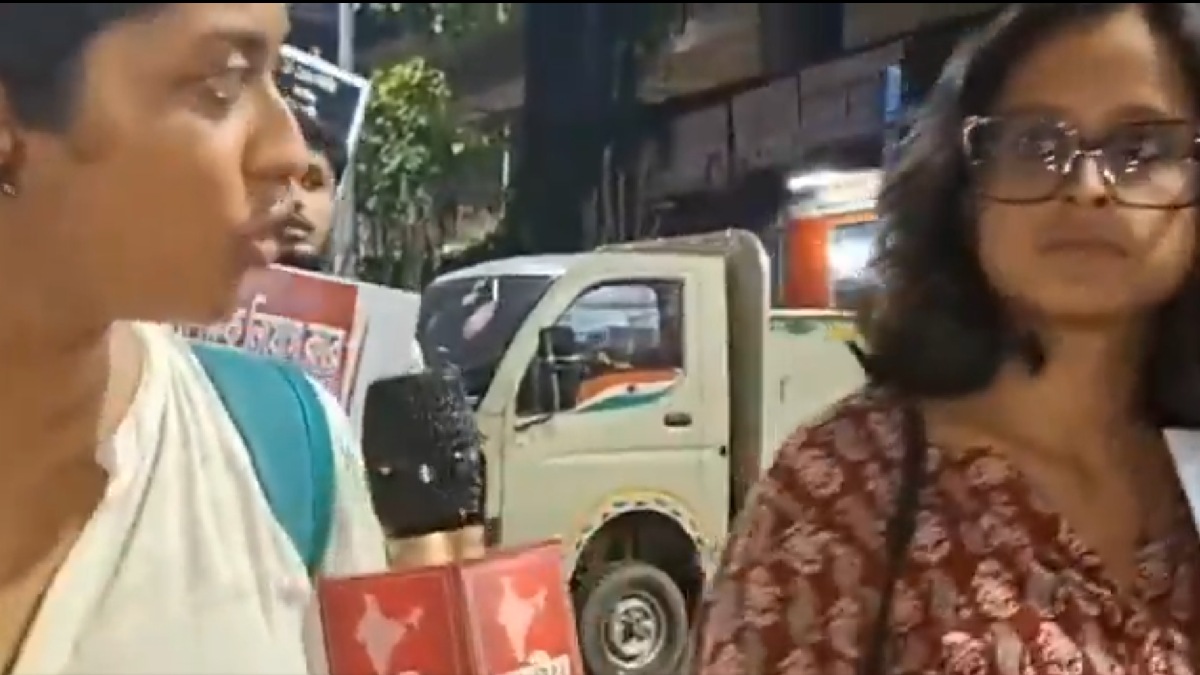
Commies in Kolkata are now protesting against WB BJP Govt's order to close around 300 Khareji Madrasas(without recognition) in WB.
Many of these Khareji Madrasas reported sexual assault,bomb making cases
and as usual commies are backing them🙂! pic.twitter.com/Eb3AxxcoIQ
The latest action also comes at the same time as a larger push to give a picture of madrasa education in West Bengal. The survey has indicated that 2,132 madrasas have valid approval, while a much larger number (around 2,396) are operating without approval. The verification process will continue, and after individual cases are looked into further, more notices or regulatory action could follow.
For almost 100 of the institutions that have received show-cause notices, the immediate next step must be to provide explanations and documentation regarding the operation and authorisation of their institutions. Authorities should then consider those responses and decide whether more action is needed. This process is separate from the 252 institutions that have already been ordered closed.
The development has set madrasa regulation in the centre of a new political and educational debate in West Bengal. The government has framed the exercise around compliance, infrastructure and authorised functioning but opposition parties and community voices have raised concerns about the broader implications of the crackdown. And how the closure orders, show-cause proceedings and wider verification exercise will all work together will ultimately determine the outcome.