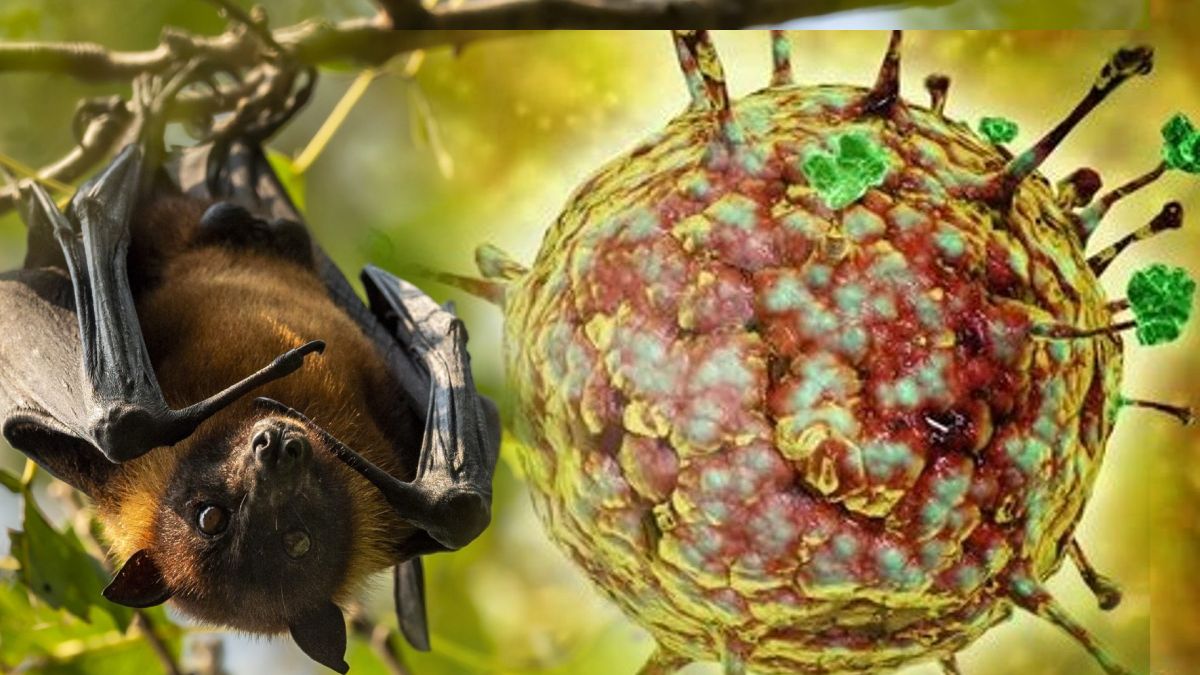
This year, West Bengal’s Health Department confirmed the state’s first death because of the Nipah virus (NiV). The patient, a 25-year-old female nurse employed in a private healthcare facility, passed away late Wednesday evening after sustaining severe respiratory distress and encephalitis (inflammation of the brain).
The Incident and Containment
The nurse, who allegedly spent the past fortnight treating patients with undiagnosed fever symptoms, was admitted to a state-run infectious disease hospital three days ago. Her pathology quickly worsened and after they were discovered to be infected, her specimens were sent to the National Institute of Virology (NIV), Pune where the virus, Nipah (as previously mentioned) was identified.
Immediate Government Response:
- Isolation: There has been a setting up of an isolation ward where she worked, and it has been closely monitored.
- Contact tracing: Health authorities have located more than 40 people they claim to be at “high-risk”, such as relatives and coworkers, and are under compulsory quarantine.
- Multi State Surveillance: The borders, contiguous with areas of reported bat colonies, can be monitored due to proximity to fruit bats (Pteropus) that are a known reservoir of the virus.
What is the Nipah Virus?
Nipah is a zoonotic virus, which means it is transmitted from animals (most often bats or pigs) to humans. It can also spread through contaminated food or person to person.
Key Symptoms to Watch For:
- First Stage: Fever, headache, cough, sore throat (similar to influenza).
- Advanced Stage: At this phase we have drowsiness, disorientation, and confusion which, if not addressed in time is followed by coma in 24 to 48 hours.
- Respiratory Effect: Severe acute respiratory infection.
Prevention and Safety Guidelines
Considering the high rate of fatality (estimates range from 40% to 75%), prevention is the only effective measure against Nipah. The West Bengal Health Ministry has given the following advice:
- Do not eat raw fruits: Do not eat fruits that have appearance of bird or animal bite scars (scratches or puncture marks).
- Avoid raw date palm sap: Raw date palm sap, which is a frequent cause of infection in the area, must be avoided.
- All Healthcare workers must maintain PPE protocols (e.g., N95 mask, gloves) for dealing with fever patients.
- Handwashing: After visiting patients or suspected areas regular hand washing should be performed with soap and water.
Current Situation
But there is no reason to panic broadly, and the state government has urged citizens to report any clusters of high-fever illnesses immediately. “We are working at a state of ‘active surveillance.’ “Our priority is to interrupt the transmission chain immediately,” a senior official from the State Health Task Force said.