While countries such as Thailand and Singapore have begun airport screenings for travelers from West Bengal, the world has been thrown into focus by a sobering reality: we are largely defenseless against the Nipah virus (NiV). But, after decades of research, there is still no licensed vaccine or specific antiviral treatment for this deadly pathogen.
The Lethality Gap: More Deadly Than COVID-19
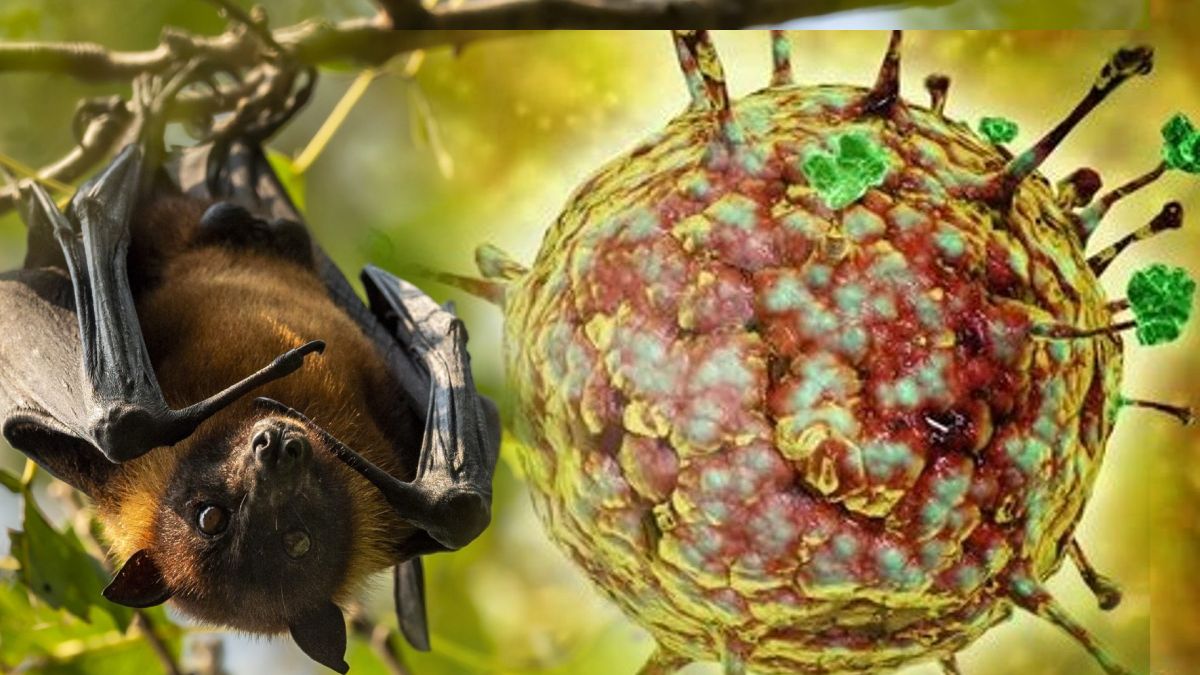
However, the Covid-19 pandemic caused global devastation; its overall mortality rate was considerably lower than Nipah. NiV is a zoonotic virus introduced into humans from animals (mostly fruit bats) that has a case fatality rate (CFR) of between 40% and 75%. In some cases, like those in Bangladesh, mortality has soared to more than 90%. The high death toll is due mainly to the virus’s ability to induce acute encephalitis (brain inflammation), with the disease causing seizures, coma and death within 24 to 48 hours of the onset of symptoms.
“Priority Pathogen” without any Defense
Nipah has been listed as a Priority Disease by the WHO, indicating that it could cause a pandemic, but offers no clear countermeasures. As of early 2026, there are several candidates in development. In December 2025, a Clinical Trial Phase II was conducted in Bangladesh using the same viral vector platform as the AstraZeneca COVID-19 vaccine by the University of Oxford.
This is yet not made available to the general public however. No Treatment: No “Tamiflu” or “Paxlovid” for Nipah Patients get mere supportive care hydration, oxygen, and treatment for secondary infections. Experimental monoclonal antibodies are now being tested, but they are still beyond the grasp of most patients in rural outbreak zones. The Transmission Cycle. The virus usually passes on to humans through:
Contaminated Food: ingestion of raw date palm sap or consumed fruit contaminated by infected fruit bats. Animal Contact: Direct contact with infected pigs (in the first 1999 Malaysia outbreak). Human-to-Human: Close contact with the bodily fluids of an infected person. The patients detected in these 2026 West Bengal cases were identified as healthcare workers, underscoring the high risk to medical personnel.
The Long-Term Nightmares for Survivors
For those lucky few who survive that initial infection, though, the nightmare doesn’t have to be over the years. Roughly 20% of survivors have permanent neurological damage, including long-lasting seizures and changes in personality. Even more frightening is the virus’s capacity to “hibernate,” with instances of relapse encephalitis months or even years after the first bout of recovery.
Global Readiness in 2026
Although the India outbreak is now in a relatively safe zone, and there have been close to 200 negative contacts, the “One Health” network, a collectively integrated regional organization, is continuing its surveillance of bat populations and seasonal trends. As the virus is acclimating to new environments, experts say the window for creating a vaccine before a more severe “spillover” occurs is quickly narrowing.