West Bengal Chief Minister Suvendu Adhikari has announced that prepaid smart electricity meters will be introduced to customers in West Bengal in a phased manner. The new generation of smart electricity meters will also be linked to the modernisation of the state power distribution system and will be implemented to overcome public concerns about billing and transparency.
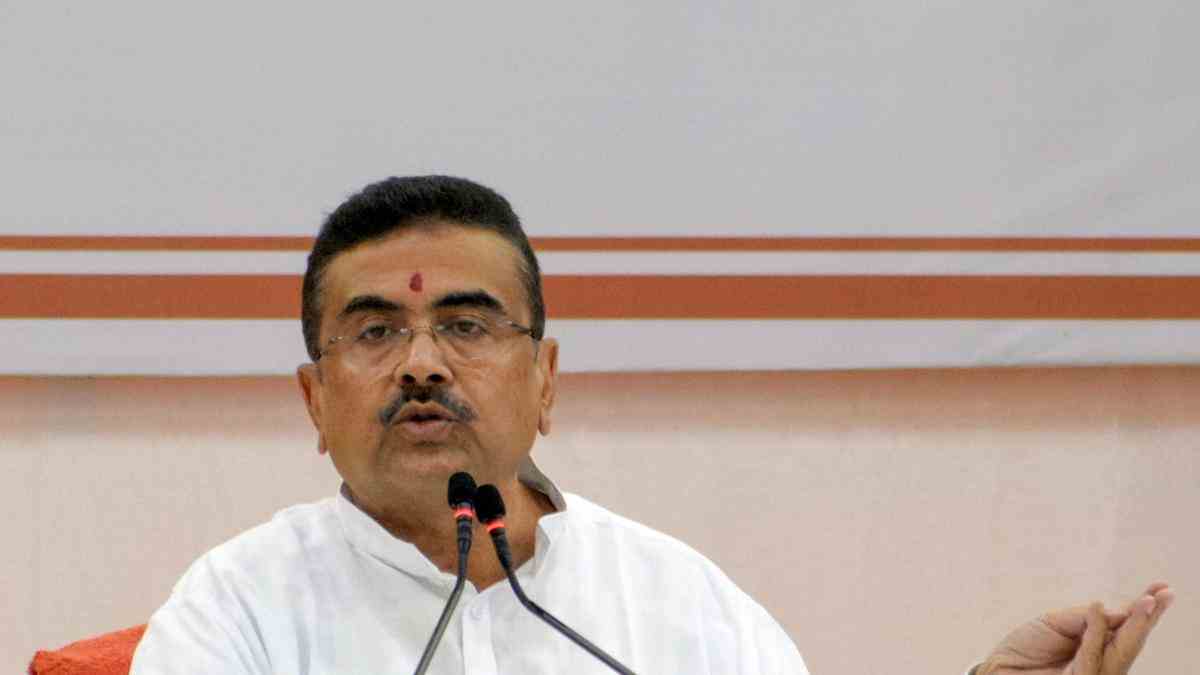
The Chief Minister, launching a new mobile application to report electricity theft, said the government has chosen a slower, gradual approach to ensure consumers are made aware of the benefits of smart meters before they are installed on a wider scale.
Rollout Begins With Government Institutions
According to Adhikari, the first phase of the smart meter rollout has already begun and covers:
Government offices
Government schools
Government employees
The government will eventually expand the programme to residential consumers in the state after building public confidence in the new technology.
"We have started in small phases with government institutions, government schools and government employees," said Adhikari, who added that the phased approach is intended to reduce confusion and improve public acceptance.
Government is concerned with public concerns
The Chief Minister said smart meters in the past faced resistance because of the fear of inflated electricity bills and misinformation.
He said many of the concerns about prepaid smart meters are based on misconceptions, and consumers should have access to effective grievance redressal mechanisms.
Adhikari also explained that when he was Leader of the Opposition, he had advocated for a cautious implementation of smart meters, with public consultation before expanding the programme.
He said that once consumers are convinced that the system doesn’t result in unfair billing and that support is available to resolve complaints, acceptance of the technology will increase.
Lessons From Other States
Adhikari pointed to experiences in other parts of the country, saying Tripura was an example where smart meters have already been introduced.
He said that despite some initial political opposition and public skepticism, there was little negative impact of their implementation in that state.
The government believes similar results can be achieved in West Bengal through a carefully managed rollout.
Background Of The Smart Meter Project
The smart meter programme in West Bengal started in October 2024 when the then Trinamool Congress (TMC) government launched the programme in offices of the West Bengal State Electricity Distribution Company Limited (WBSEDCL).
The project was later expanded to include other government establishments and residential consumers in a number of districts.
To support implementation, four private companies were awarded contracts for the installation, operation, and maintenance of the smart meter infrastructure.
Kolkata Not Part Of The Programme
The current rollout does not include Kolkata and neighbouring areas because electricity distribution in the city is handled by CESC, a private power utility owned by the RP-Sanjiv Goenka Group, rather than WBSEDCL.
As a result, the state government's smart meter programme is currently focused on areas served by WBSEDCL.
Focus On Digital Power Management
Besides the smart meter project, the state government has also created a mobile application to report cases of electricity theft.
The smart metering technology and digital monitoring devices will improve billing accuracy, reduce power theft, enhance operational efficiency and strengthen the overall electricity distribution network in West Bengal.
The phased rollout reflects the state government’s efforts to modernise its power infrastructure, while making sure that consumers are educated and grievance redressal systems are available.