In another recent high-profile incident that generated social commentary, a delivery worker faced the challenge of hauling a heavy object up six storeys of stairs because residents of a certain block refused to allow packers and movers to take advantage of the building’s lift. The video is of a man struggling under a weight as he climbed inside a stairwell. It is one of those moments where the challenges that delivery people face physically are really highlighted, and fairness, empathy, and the manner in which a building might be constructed affects the workers.
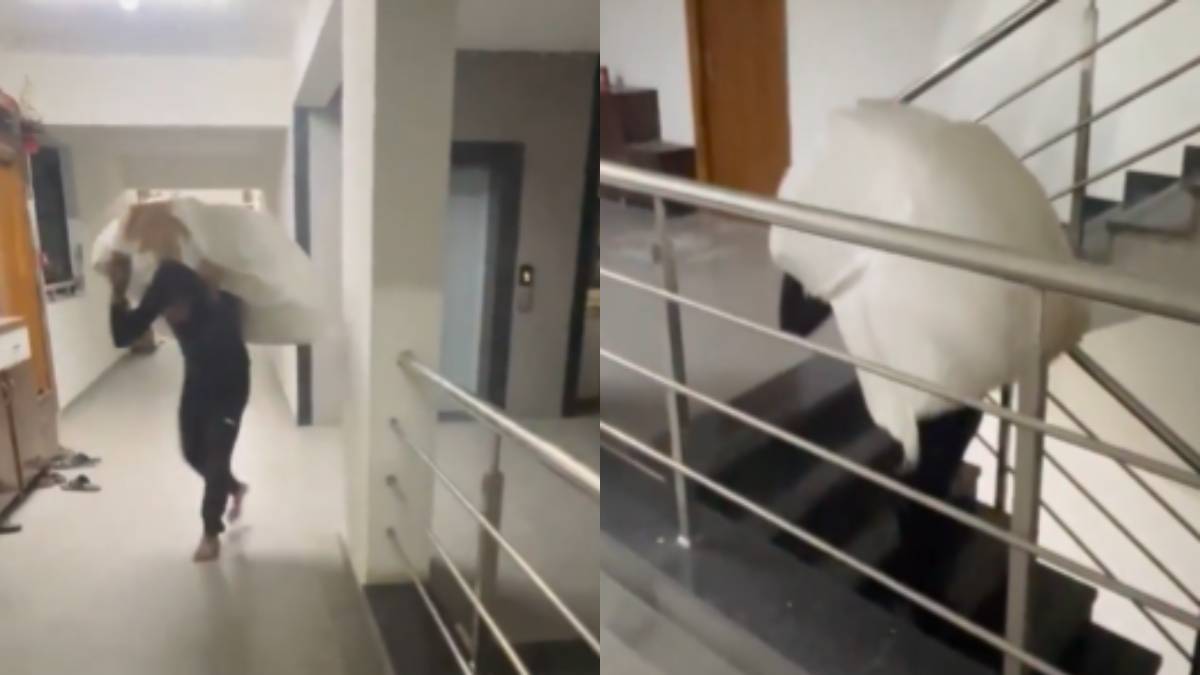
The stairwell in the video seems to be located in a multi-story residential estate. It features metal railings and concrete steps common in apartment buildings. The delivery man most probably works for a moving or courier service, lifting a large heavy item up the stairs. Society had denied packers and movers lift access, this is the caption, forcing the man to go upstairs to the sixth floor. This decision also, while perhaps a response to building regulations or a fear that this action would damage a property, created a significant physical load for the worker. So carrying heavy items up several floors is exhausting, and the long-term risks or injury that can occur could be a health issue.
Packers and movers not allowed to use lift by society members, ad delivery guy had to use stairs to bring heavy stuff to 6th floor. pic.twitter.com/ILAOaGNS6Q
— AbhishekkkK (@Abhishekkkk10) January 30, 2026
Delivery workers and movers are the backbone of urban life. They deliver furniture, appliances, and packages daily between homes and workplaces. Most work long hours, often under adverse conditions and earn small salaries. Their wages are often minimal in quality when building policies deny them basic support for example, lifts, it adds a layer of unnecessary hardship to already complex jobs. This example reminds us rules shall be put in place with compassion. If buildings are protective of lifts from damage, this is a trade-off between safety and compassion. Refusing lift access for big deliveries may protect property, but it can be destructive.

The video attracted quick online attention. The society’s ruling outraged many observers. Comments flocked, describing the rule as “inhuman,” “unfair” and “disrespectful to workers.” Others posted stories of similar incidents they had noticed in other buildings. Others made the more important point that lifts serve to serve residents and their needs even moving people in and out. The lift should be on hand if a resident hires movers or a big delivery arrives.
This is not simply the story of one delivery man, it is indicative of a bigger problem nationwide, a problem sweeping city after city in India and beyond. A good deal of apartment and residential societies have strict rules that make life more difficult for workers, unwittingly so, often. There are restrictions on lift use, on time to enter and access to areas. But rules for safety and order, yes, but rules need to express kindness and respect. Workers deserve dignity and that means making sure they are able to perform services and duties without unreasonable barriers.
To avoid such incidents in the future, societies can:
- Allow for lift access to make deliveries at certain hours.
- Protective mats or covers to help protect movement areas from damage.
- Providing rules that strike a balance between protecting workers and supporting them.
- Teaching the community to respect and be respectful to its workers.
That delivery man climbing six floors with a heavy workload is a potent image. It demonstrates the steel and devotion of workers, but also a greater need toward empathy in our rules and choices. As our cities get bigger and services grow, we need to construct communities that are not only well-managed, but also kind. Honouring workers, supporting them and creating fair policies can lead to a society both more humane and more just. The incident feels minor, but it says as much. It reminds us that behind each and every delivery is a person — and each step they climb with no help is a step we could have made easier.