Indian food delivery workers are a way-in-the-life of many families. And they carry meals to their homes and offices, even to some railway stations giving people a good time of convenience. But sometimes the job is uncomfortable or makes them unsafe. A recent incident at Ayodhya railway station, Uttar Pradesh has raised a lot of alarm and criticism. A Muslim Swiggy delivery executive was allegedly threatened and verbally assaulted by a man called Kapil Dev. The reason? He was delivering meat biryani.
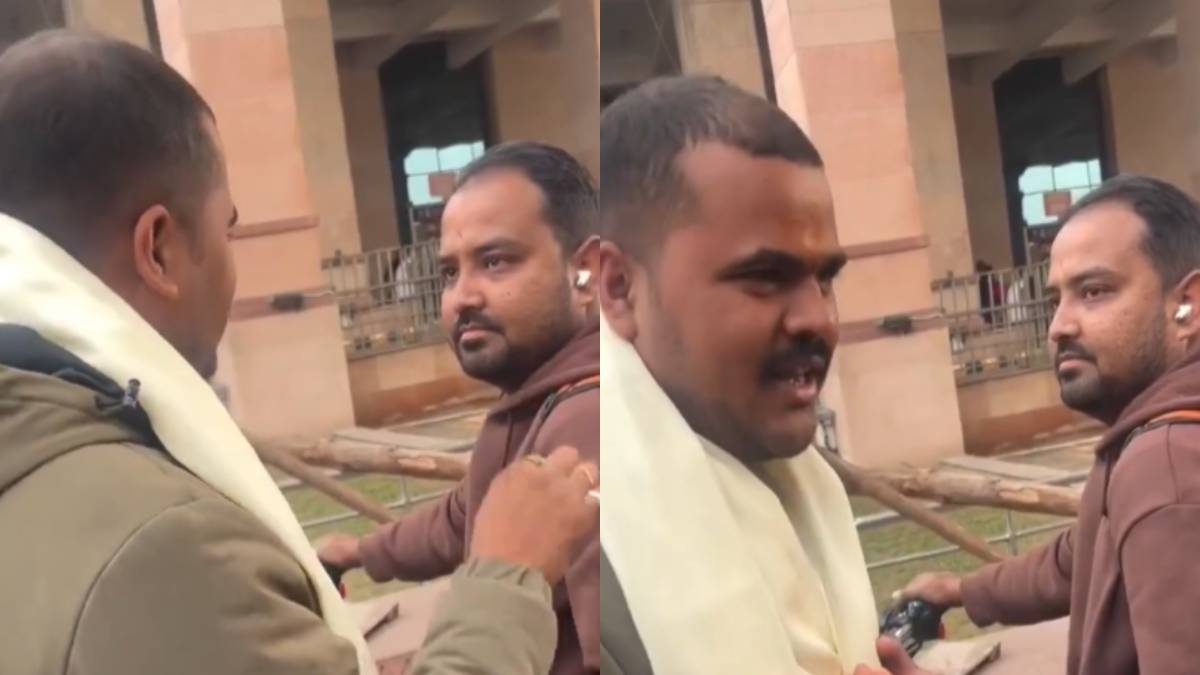
The delivery executive reportedly arrived at the station, where he was fulfilling a customer’s order. At work, he was confronted by Kapil Dev, who objected to the delivery of non-vegetarian food at the location. The man allegedly uttered, “It’s not your fault that you are a Muslim, but wrong is wrong,” as he berated the delivery service. It was a public, outside of the station building confrontation attended by many bystanders. The delivery executive remained calm, but obviously it was a hostile and humiliating situation.
There are several reasons for this incident. First, it is a form of religious discrimination, in which a person was targeted not only for the food they were delivering but for who they were. Second, it illustrates how public harassment can occur in an unregulated public arena. Third, it illustrates the vulnerability of gig workers, people who work long hours in some punishing situations, and who are currently threatened while carrying out their work. But no one needs to be harassed for doing honest work, and certainly no one should be judged or attacked because they have a different religion.
Companies such as Swiggy and Zomato make it possible for customers to order food from rail stations using PNR numbers. And this service is legal, popular and convenient. Delivery companies are essentially fulfilling orders that passengers take. They do not pick where food will be provided to and who else provides it. They are workers obeying instructions. It raises important questions about safety protocols for staff responsible for delivery, how we should train them to deal with unpleasant situations and whether there has been any support available for survivors (whether to report abuse).
The situation soon emerged online. The behavior of Kapil Dev was largely condemned and support for the delivery executive was received. Social media users rallied around the word ‘action’ for hate speech and harassment. Others insisted that Swiggy, and other platforms, better protect its workforce, particularly in vulnerable locations. The public reaction was overwhelmingly positive, as various people called the delivery executive a figure of dignity and restraint.
What can we learn from this? Respect is necessary: be it about food, religion or profession, everyone is owed the right to be treated with the dignity they deserve. The public is a sacred place to be, and everyone should be safe. Railway stations are universal and no one must fear or be used to scare or humiliate others. Work is dignity, and delivery workers themselves are just doing honest work. They may be treated with kindness rather than hostility. Finally, we should use the public voice. When we witness discrimination or abuse, we can't ignore this.
The Ayodhya train station incident should be a reminder that human dignity should come before personal prejudice. The Swiggy delivery executive was just doing his job. He had to endure that unfair, harmful, unacceptable abuse. India is a diverse country, and our strength lies in respect of each other’s diversity. If someone eats biryani or not, if another religion is more important to them than others no one deserves hate. Make this moment a plea for tolerance, safety and respect for every worker, every citizen, every single human being.