New Delhi's mobile internet services were temporarily disrupted on Tuesday as authorities beefed up security ahead of the opposition-led ‘Chalo Sansad’ protest.
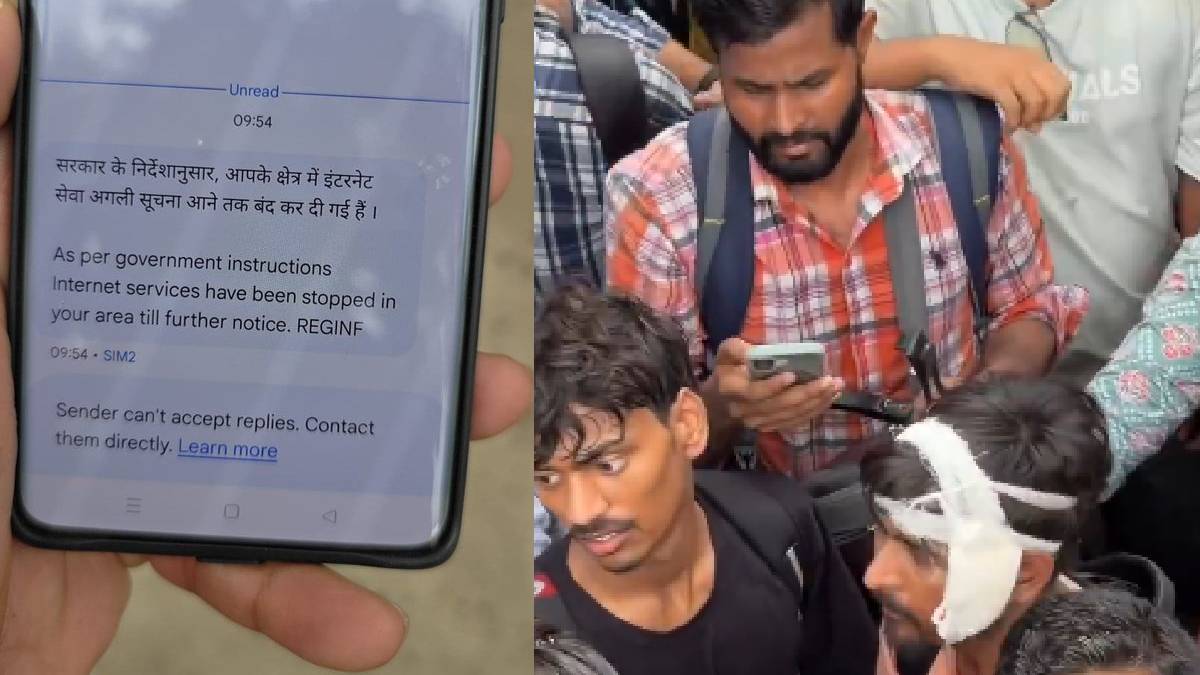
In some cases, telecom companies said they had suspended internet services in certain places due to the government's guidance on public safety and law & order.
The temporary internet shutdown affected users on multiple mobile networks and many found it hard to access messaging applications, social media platforms and other online services. Fixed broadband remains largely in business, but mobile data services were limited or completely unavailable in some of the capital.
The disruption took place as thousands of protesters gathered in Delhi to participate in the 'Chalo Sansad' march, intended to address various political and public issues before Parliament. Police had already beefed up security around central Delhi in the form of multiple layers of barricading, the deployment of more police and traffic diversions to prevent any untoward incidents.
Telecom operators informed customers through text messages that internet services were temporarily suspended in compliance with government directives issued under applicable telecom regulations. The companies clarified that the disruption was not due to any technical fault but was a precautionary measure ordered by the authorities.

There are such restrictions on internet access when government officials think social media platforms or messaging apps or other websites might be used to spread misinformation, incite unlawful actions or to spread messages that could escalate tensions because of the risk of a social media platform or messaging application.
Such measures are justified, officials say, and they are supported by digital rights groups and civil society groups.
The Delhi Police and Security Forces had a high presence around Parliament House, big government buildings and most main roads connecting central Delhi. The metro stations are under increased security checks and commuters are being advised to plan their travel in advance to avoid traffic congestion.
The ‘Chalo Sansad’ rally drew political leaders, activists and supporters in that case and were demanding action on a variety of issues. Security agencies kept an eye on demonstrations to keep them peaceful and not disrupt parliamentary activity or public movement.
Internet shutdowns have become a part of the larger debate in India on balancing national security and public safety against citizens’ access to communication and information. Temporary restrictions may be legally justified in certain cases but they can also impact business, students, commuters, emergency communication, and everyday digital services, analysts say.
In the meantime, after the protest ended and the security situation was calmed down, telecom operators would be able to restore mobile internet service in affected areas to their customers, upon the direction of authorities. Residents should seek clarification from credible sources on the situation and work with security personnel during the short-term restrictions, the officials said.
The incident again underscores the government’s use of preventive security measures when the country’s capital is bombarded with huge political demonstrations and also renews the discussion on how internet shutdowns affect daily life in the country and the freedom of the digital world.