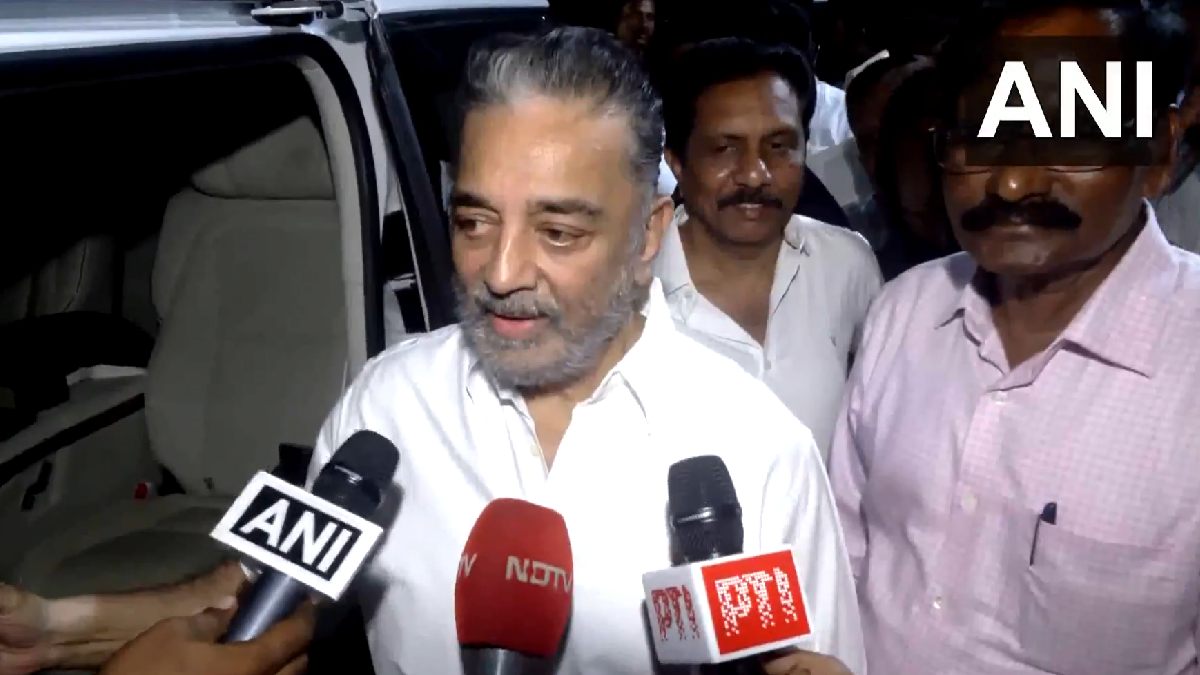
In a surprising political move ahead of the 2026 Assembly elections, Kamal Haasan announced that his party, Makkal Needhi Maiam (MNM), will not contest the Tamil Nadu Assembly Elections 2026. Instead, the party has decided to extend unconditional support to the ruling Dravida Munnetra Kazhagam-led alliance.
This decision has raised several questions among political observers and voters. Here are the key reasons behind MNM’s unexpected move:
1. Seat-Sharing Disagreement with DMK
One of the primary reasons for MNM opting out of the चुनाव is the disagreement over seat-sharing with the DMK alliance. Reports suggest that MNM was offered only a limited number of seats—around 2 to 3 constituencies—which the party found unacceptable.
MNM had reportedly aimed to contest more seats to expand its political footprint in Tamil Nadu.
2. Dispute Over Election Symbol
Another major sticking point was the insistence that MNM candidates contest under the DMK’s “Rising Sun” symbol. MNM, however, wanted to retain its own party symbol, which holds significance for its cadre and identity.
This disagreement further widened the gap between the two sides.
3. Strategic Political Alignment
Despite stepping away from contesting, Kamal Haasan has chosen to support the DMK-led alliance. The move is seen as a strategic decision to remain politically relevant while avoiding a weak electoral performance.
By campaigning for the alliance, Haasan is expected to play the role of a key star campaigner.
4. Focus on Long-Term Growth
Political analysts believe that MNM’s decision could be part of a long-term strategy. Instead of risking poor results, the party may be aiming to strengthen its organizational base and public connect before contesting future elections more aggressively.
5. Alliance Politics and Practical Constraints
Tamil Nadu politics is heavily influenced by strong regional parties and alliances. For a relatively new party like MNM (founded in 2018), contesting independently or with limited seats in a powerful alliance could reduce its impact.
Hence, supporting a larger alliance may offer better political leverage.
What This Means for Tamil Nadu Politics
MNM’s absence from direct contest reshapes the electoral dynamics in Tamil Nadu. While it reduces the number of players in the fray, its support could strengthen the DMK alliance’s vote base, especially among urban and youth voters.
At the same time, questions remain about MNM’s independent political future. Whether this move helps the party grow or sidelines it in the long run will become clear only in the coming years.