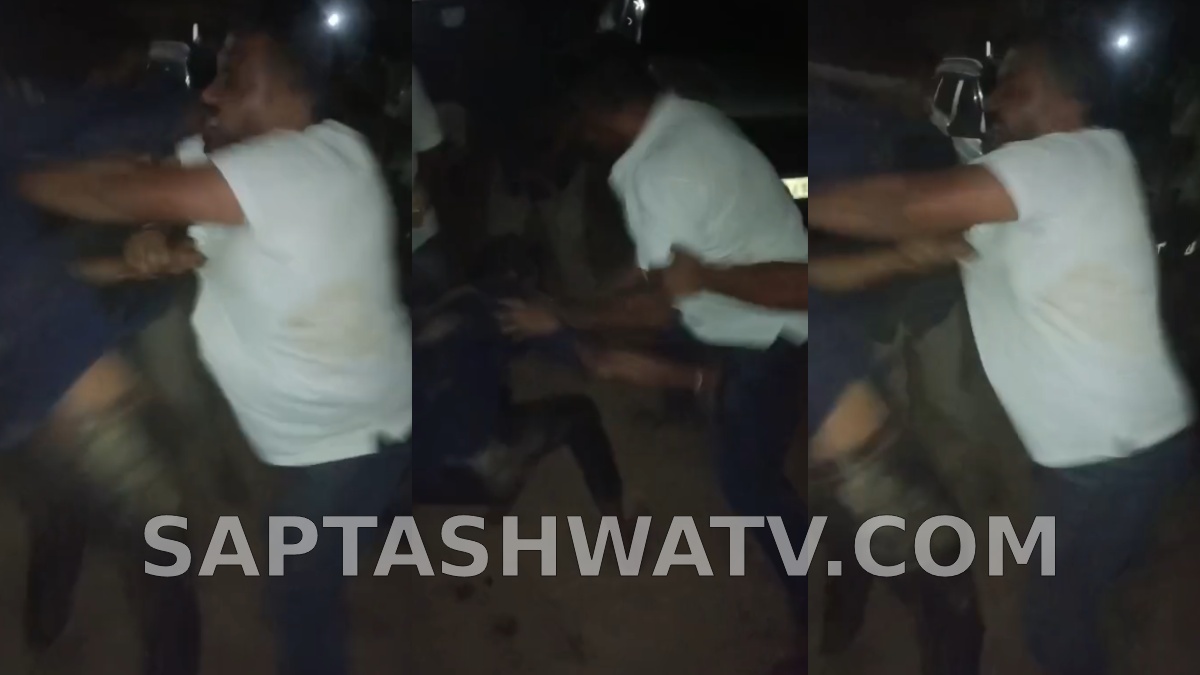
A tense incident in an Indian train has stirred up passenger-staff disputes after a woman allegedly ripped through her own clothing during a ticket-checking interaction and accused a TTE of wrongdoing. A video of the incident, filmed by the railway worker himself, has gone viral and has been shared on social media, where users have said it’s crucial to have evidence during confrontations involving railway staff.
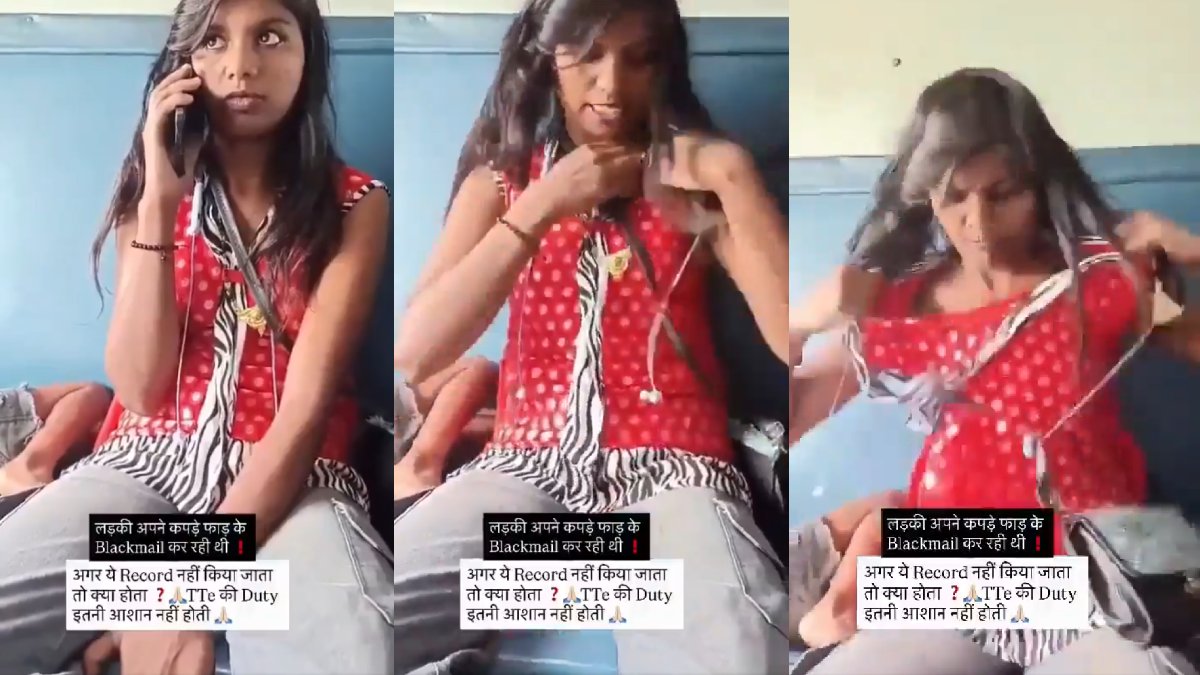
According to media reports of the incident, the woman is Radhika Tiwari. The episode began during a train ticket inspection when the passenger gave cash instead of a valid railway ticket, which was reported to be a ticket. She also said that her brother was a TTE, the report said. The train was in a heated exchange that then intensified inside the train.
The situation took a more serious turn when the woman began pulling on her clothing and making accusations against the railway worker. The TTE remained relatively calm in the face of it and kept recording the incident on his phone. He reportedly told the woman to call the emergency helpline 112 in case she thought she had been wronged.
The video has since attracted widespread attention online, with many social media users focusing on the role of video evidence in disputes between passengers and railway personnel. Some viewers said that recording the interaction helped build a visual account of what happened during the confrontation. Others used the incident to call for stronger safeguards for railway employees who frequently interact with passengers in crowded and sometimes stressful environments.
The episode has also revived the debate about body-worn cameras for railway personnel. Proponents of such technology say that cameras would help to record the interactions between TTEs, Railway Protection Force personnel, and passengers in a more objective way. It would also help authorities to investigate complaints from both sides and resolve disputes over conflicting accounts.
Indian Railways and railway security authorities have experimented with camera-based monitoring and body-worn camera systems at various operations and locations. The wider use of such technology that would enhance accountability and transparency (especially for the staff) has been discussed.
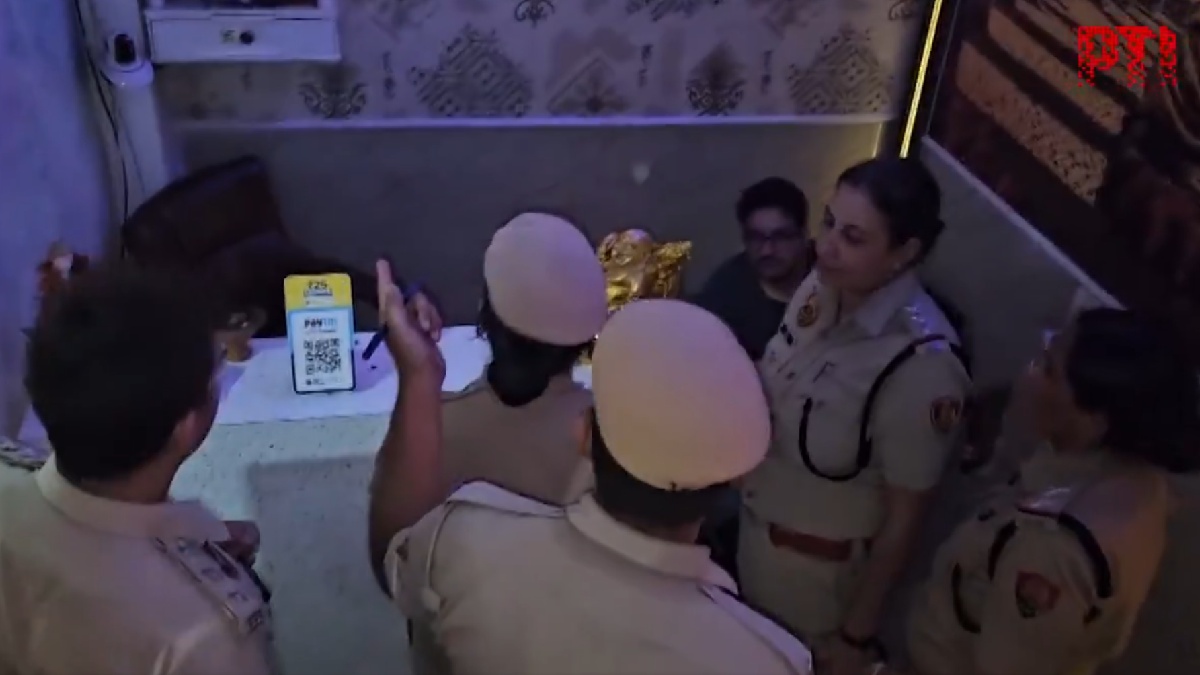
In the reported train incident, Railway Protection Force personnel were involved, and one of the passengers was fined. But details of this incident and the allegations should be seen in the light of the available video and official action rather than unverified social media interpretations.
Such a common ticket-check, as a routine task for railway workers, can quickly become a clash. TTEs face thousands of passengers and handle tickets, collect fares or penalties, and manage any irregularities in their travel. Disputes can arise when passengers do not have valid tickets or have different views on railway procedures.
A female passenger allegedly tore her own clothes and accused the TTE of molestation after being caught travelling without a ticket.
— Sinister (@UnapologeticRuh) September 19, 2026
Thank God the TTE was recording the entire incident. Had he not recorded it, he could have ended up in jail over a false accusation. pic.twitter.com/kSn21gYibw
For passengers, the episode is a reminder that complaints about railway staff must be formally reported as soon as possible, not escalate into a fight. Indian Railways has mechanisms for passengers to complain about their staff, and emergency services can be contacted when they think someone is in danger of being hurt or endangered.
As for railway staff who have to work in very public sectors, the incident shows the risks of working in high-profile roles. A ticket inspection that goes wrong and is just routine can turn into a serious accusation at any time. Clear documentation, official reporting, and security measures can be crucial to determining what actually happened.
The viral video has thus become part of a wider conversation around transparency, passenger rights, and employee protection on Indian trains. While social media has largely focused on the footage recorded by the TTE, any allegations of misconduct should be investigated and treated with the highest degree of seriousness by the authorities and based on available evidence.