
A big examination malpractice controversy has emerged in the Shivamogga regional centre of Karnataka State Open University (KSOU), where students were allegedly allowed to use cell phones and textbooks when they were taking their degree and postgraduate exams in exchange for money, according to the local media.
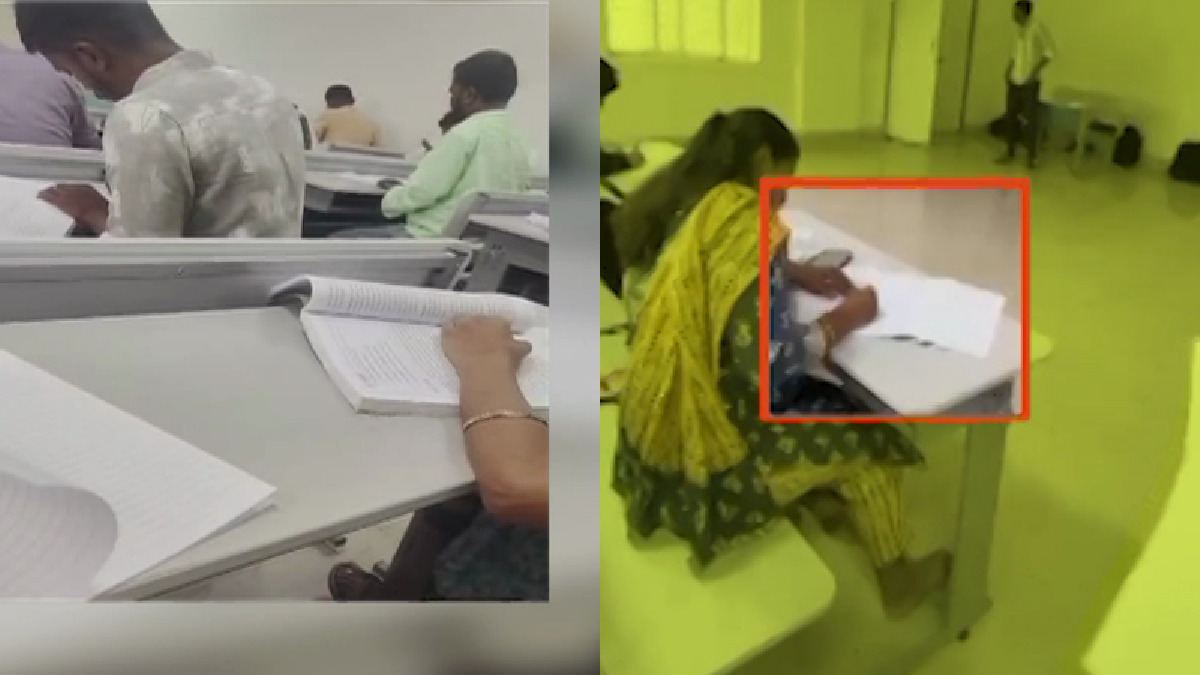
Such alleged malpractice has raised doubts about the integrity of university exams and the fairness of the evaluation process. As to what is alleged to be the malpractice was conducted by regional director B.M. Swamy, students were offered to write exams with prohibited material after paying the required amount. This comes at a time when examination-related controversies in Karnataka are also being made public in the wake of the KPSC row, such as the KPSC dispute.
The alleged examination scam involves a system in which students who paid money were allowed to use books and mobile phones while answering examination papers. Students who paid the demanded amount were placed on the second floor of the examination centre, where they were allegedly provided with facilities to copy answers from books and mobile devices. Students who did not pay were reportedly assigned examination rooms on the first floor.
The alleged arrangement has raised serious questions about whether examination rules were being selectively enforced and whether students were being treated differently based on their willingness to pay. If proven, such practices could undermine the credibility of the university's examination system and the value of qualifications awarded to students.
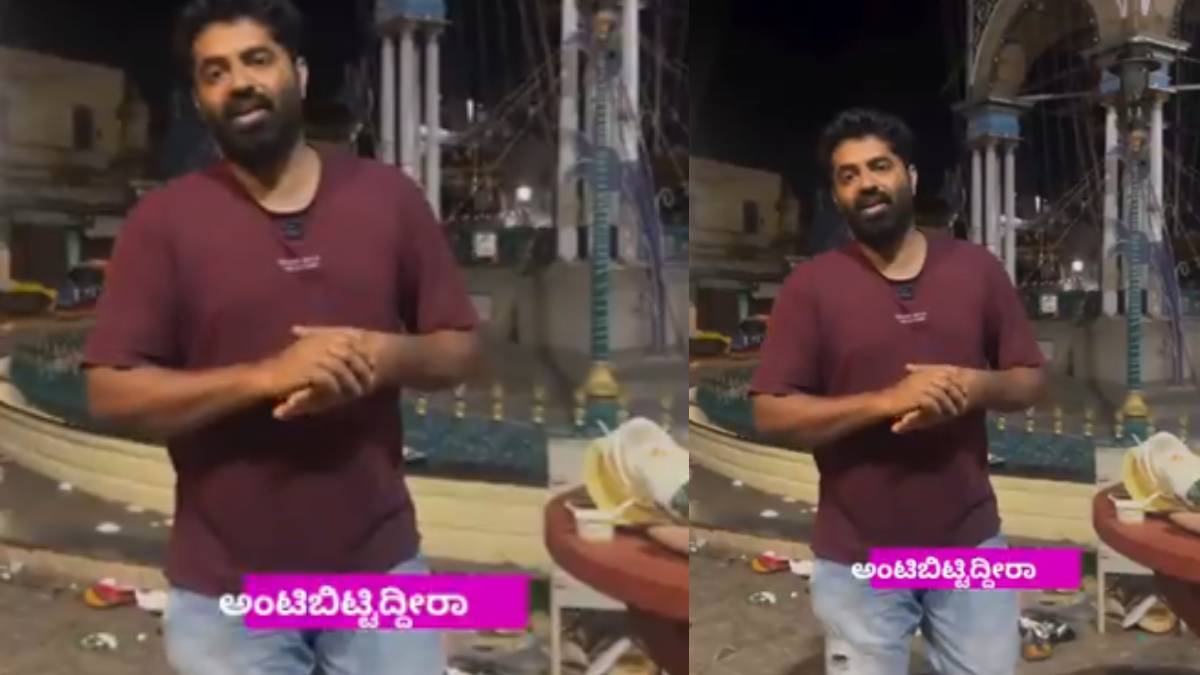
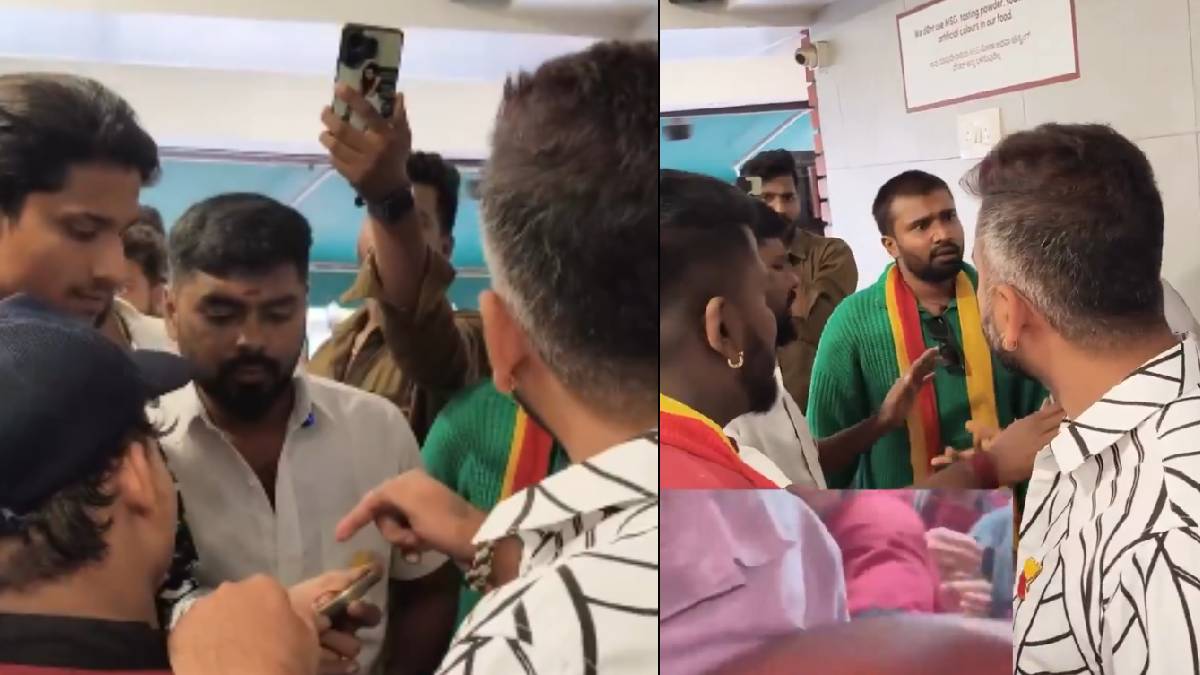
According to the report, video showing students using mobile phones and textbooks during exams is a fact that has been obtained by Public TV. The footage is said to show students referring to study materials while writing their examination papers. The allegations suggest that the examination malpractice was not limited to individual students trying to copy answers secretly but was part of a larger picture of the examination centre.
The presence of many students who were using prohibited materials for the examination has raised concerns about the effectiveness of supervision and the enforcement of the examination regulations. But the authenticity, context and content of the video evidence would have to be independently verified as a matter of course and in a formal investigation.
The regional director B.M. Swamy is accused of supervising the arrangement and allowing students to copy in mass. The director was accused of visiting the examination centre about 30 minutes after the examination began to take attendance and count the students, the report said. He was also said to have stayed in a separate room in the examination centre and was not there himself during the alleged malpractice.
Staff were also alleged to have been on board with the arrangement, as they were allegedly collecting money from students and conducting the arrangement. These allegations have aroused questions about the role of the exam officials and whether they are to be disciplined and to make sure that university examination rules are observed.
The report also names several employees who allegedly were involved in making money or facilitating the examination scheme. That includes senior division clerks Vinaya K.J. and Ninga Nayak, attender Yogesh Gowda and data entry operator Harish. Staff members were allegedly in the process of collecting payments from students and providing them with help to do so in examinations.
The people mentioned in the report have not been found guilty of any wrongdoing, and the alleged roles would have to be investigated by the appropriate authorities. A thorough investigation would be required to determine if the alleged collection of money is for individual employees or senior officials or a coordination in the regional centre.
The most serious accusation is, however, the amount students were charged. Students were charged Rs 1,000 for each subject they appeared for in the examination according to the paper. 70 to 100 students were reportedly approached for payments every day, the report says. The money was allegedly collected after the students were done with their exams, and the payments were made through digital platforms like PhonePe and Google Pay.
If the reported number of students and payment amounts are accurate, the alleged arrangement could involve substantial sums of money over the examination period. However, the total amount collected has not been independently established, and the financial details would need to be verified by payment records and other evidence.
What is reported is the KSOU regional office near Alkola Circle in Shivamogga, where the purported irregularities happened and the examination centre which is presently in use in the city. It was reported that university degree and postgraduate exams started on October 7 and will continue until November 20.
The observed malpractice in the form of examination is making some students feel as if they are being negatively affected by the examination process and the poor performance of the students who were compliant with the rules. Students who were honest in preparing would face the question of fair competition in the examination if some materials were allowed by some candidates. The situation also highlighted the need for the same standards of examination in all rooms and that students are evaluated on their knowledge and preparation and not on their skill-building.
The allegations have drawn attention to the need for a thorough and impartial investigation into the functioning of the KSOU Shivamogga regional centre. The video footage, examination records, staff responsibilities and any financial transaction details would be reviewed to determine what actually happened.
The regional director and the staff involved in the allegations would also need to be investigated before any conclusions are reached. If the allegations are verified, appropriate disciplinary and legal action against those responsible may be taken. But the university should also update examination procedures and beef up monitoring systems to prevent similar incidents in the future.
The alleged KSOU examination scam has once again raised questions about examination integrity and accountability in educational institutions. It is up to universities to provide fair assessments and ensure that academic qualifications reflect genuine learning and performance. Hence, allegations that candidates were allowed to use mobile phones and textbooks in exchange for money have raised serious questions about the credibility of the examination process. A transparent investigation and appropriate action based on verified evidence will be needed to establish the facts and restore confidence among students and the public.


Comments
Leave a Comment