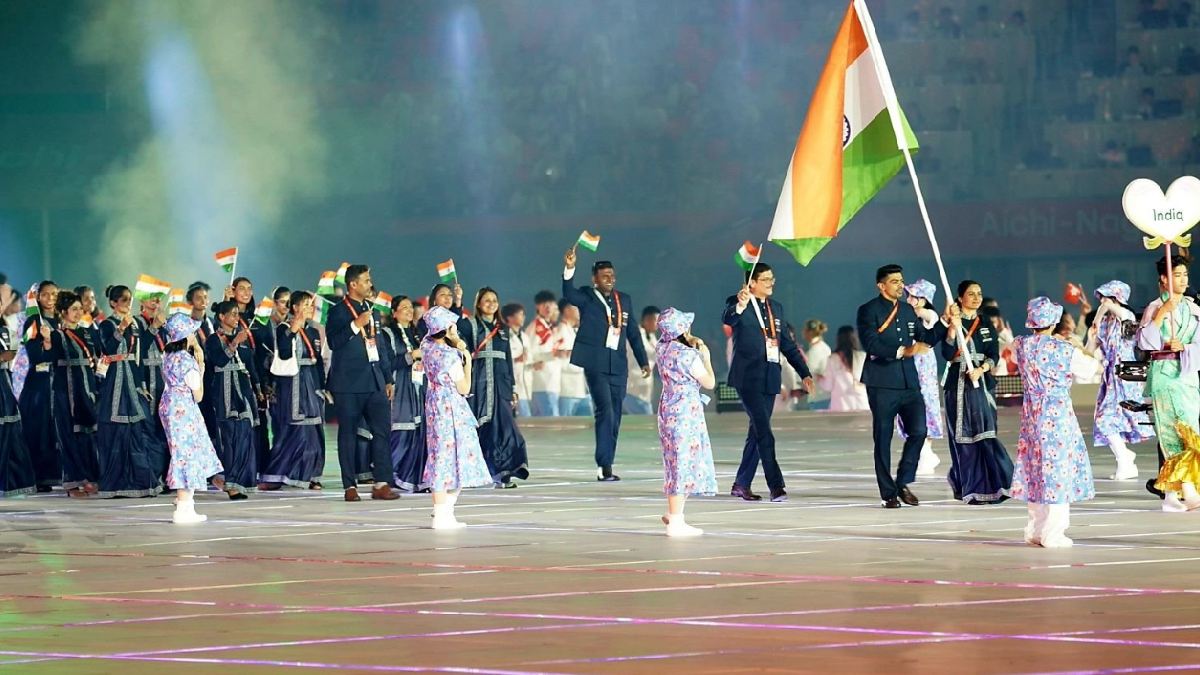
Japan officially opened the Aichi-Nagoya Asian Games on Saturday with a colourful but restrained ceremony that was a welcome start to an event whose build-up was marred by organizational and logistical difficulties.
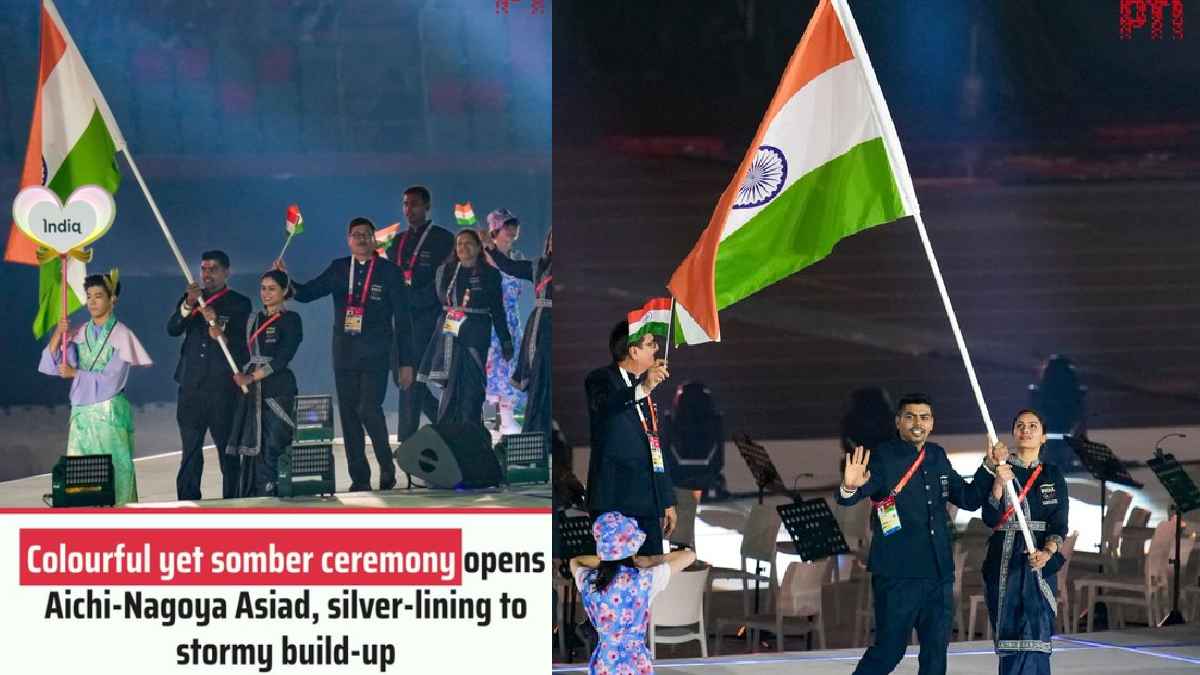
The opening ceremony displayed Japan’s technological strength, industrial capabilities and rich cultural traditions and welcomed athletes from across Asia. The theme was “Harmonic Heart Beat” and it was about unity and connection among countries across the continent.
A big highlight of the ceremony was the heart-shaped main stage. The design was used as a visual representation of the “One Asia” concept, symbolizing athletes and people from different parts of Asia coming together and connecting “heart to heart.”
The Aichi-Nagoya Asian Games will involve around 11,000 athletes from 45 countries for 15 days of competition. Games athletes will compete in 43 sports and 71 sub-events, and 469 gold medals will be awarded by the end of October.
Several competitions had already started before the formal opening ceremony. Some competitions were already in development ahead of the main ceremony basketball, football and cricket - giving athletes and fans the first taste of the sporting action.
The Games are the third time Japan has hosted the Asian Games. They had hosted the continental event in Tokyo in 1958 and Hiroshima in 1994 already. So the return to Japan has brought another chapter to the country's long association with the Asian Games.
The opening ceremony also represented Japan’s unique fusion of modern technology with traditional culture. The presentation combined colourful visuals and a fairly frugal strategy to keep the focus on the athletes and the larger message of Asian unity.
The “Harmonic Heart Beat” theme was central to that message. Organisers wanted to represent the connections between athletes, nations, and communities involved in the Games in the heart-shaped stage and other aspects of the ceremony.
The opening comes after a long preparation and organizational and logistical issues were also in the front line of everyone involved in the preparations. Thus the ceremony was more positive because the sporting competition was under the spotlight again.
Over the next two weeks, 45 nations will compete in a number of disciplines and win medals and national honours. With hundreds of gold medals in hand, the competition will have a busy schedule through the closing ceremony on October 4.
Japan's Aichi-Nagoya Games are a major sporting responsibility and one that has shown the ability to merge big event management with technology and cultural presentation. Athletes are now moving from the opening to the competition as the Asian Games enter their main stage.