
Scientists have identified a previously unknown species of giant prehistoric bird from a cave on Indonesia’s Flores Island the very same site where researchers found remains of the ancient human species known as ‘the Hobbit’.
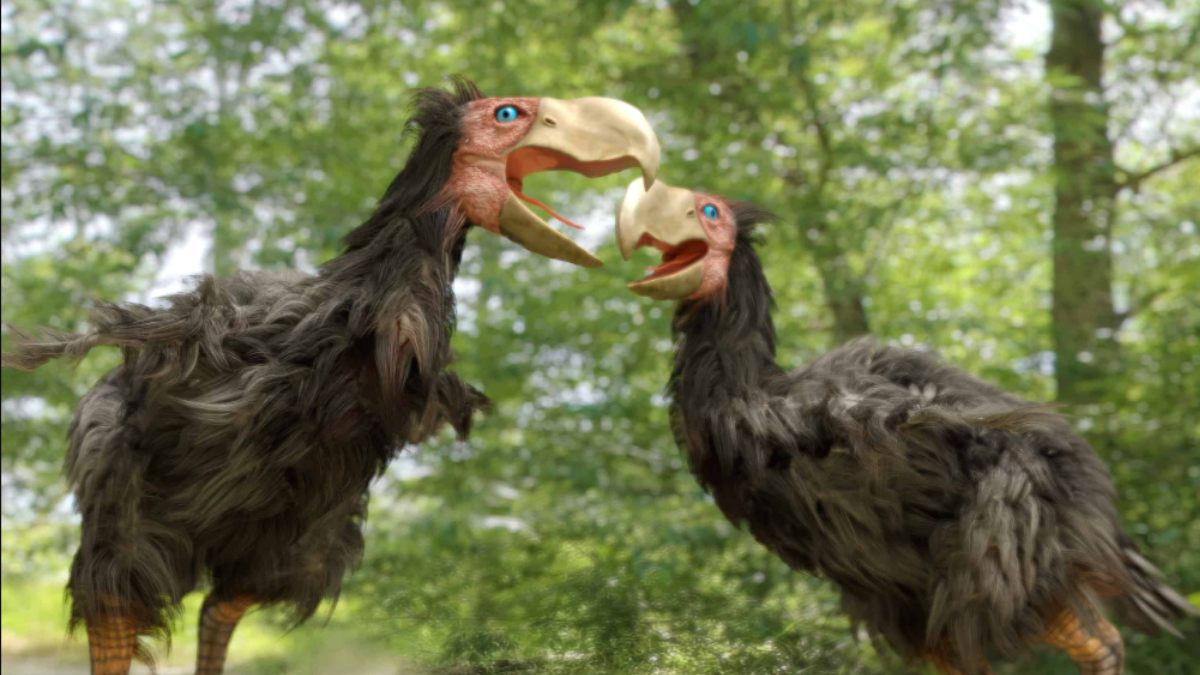
The Megapodius rokusi bird was in the megapode family (ground dwelling chicken-like birds found throughout Indo-Australia). Scientists estimate it weighed about 3.9 kg which makes it the largest known species of Megapodius.
The discovery was reported in a research paper published online October 22, 2026 in Alcheringa: An Australasian Journal of Palaeontology.
Fossil Discovered in Liang Bua Cave
The fossil was found during archaeological excavations at Liang Bua limestone cave on Indonesian island Flores. The cave is internationally famous for the discovery of Homo floresiensis an extinct human species nicknamed Hobbit because of its small stature.
The bird fossil was found in 2009 but was not identified for several years. Scientists examined the specimen and recognised it as a megapode species that had not been previously known.
The study found that the fossil was a partial tarsometatarsus (bone in lower leg and foot of bird). It came from sediment layers dating back to about 190,000 to 120,000 years ago.
Megapodius rokusi Was Larger Than Living Relatives
Researchers estimate Megapodius rokusi weighed about 3.9 kg (8.6 pounds).
This makes it much larger than the orange-footed scrubfowl (the only living megapode species still found on Flores). The modern bird normally weighs between 0.5 kg and 1.2 kg.
The newly identified species was also larger than other known living and extinct members of the Megapodius genus.
Megapodes are unusual birds in that they generally use environmental heat rather than their own body temperature to incubate eggs. Depending on the species they bury eggs in warm soil or place them inside large mounds of vegetation and earth.
Why Was the Bird Named Megapodius rokusi?
Scientists named the species after Rokus Due Awe (late Indonesian zooarchaeologist) who had made important contributions to archaeological research on Flores.
Due Awe was involved in analysing animal remains recovered from Liang Bua. He was also the first researcher to correctly identify hominin bones and teeth that later became part of the discovery of Homo floresiensis.
Naming the fossil bird after him, they acknowledged his contribution to Indonesian archaeology. Megapodius rokusi is the first megapode species named after an Indonesian researcher in the study.
Scientists Still Have Questions About the Extinct Bird
Even though the discovery was made, several things about Megapodius rokusi are still unknown because researchers have only found a partial leg bone.
Scientists cannot yet say whether the bird was capable of flying because no wing bones have been found. We don’t know what it actually did (its behaviour), where it nested (its nesting habits) or what ecological role it played (its ecology).
Scientists have not determined when or why the species went extinct. It may have disappeared along with other prehistoric animals that once inhabited Flores but there is no fossil evidence to prove it.
Discovery Adds to Flores Island's Prehistoric History
The discovery is important because it’s the first fossil megapode species described from Wallacea (a biogeographical region between mainland Southeast Asia and Australia that includes Indonesia).
It also shows that the region once had more bird species than scientists had previously observed.
Scientists think there are more fossil bird bones still waiting to be found in collections and excavation sites all over Southeast Asia.
Megapodius rokusi is another example of the unusual wildlife that inhabited Flores thousands of years ago with the ancient human species and other extinct animals which made the island a target for archaeological research.





Comments