Brazil coach Carlo Ancelotti has sent a loud message to his players and to the rest of the football world: big names alone will not win the FIFA World Cup.
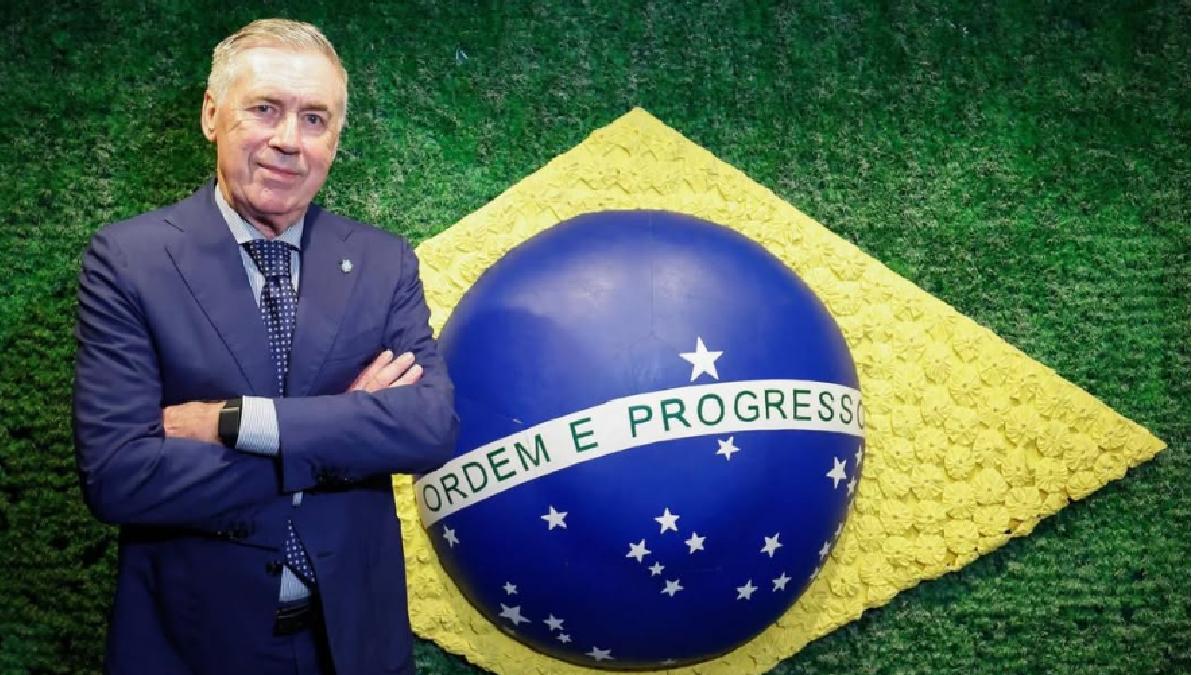
The veteran Italian boss said the early stages of the tournament have already shown the fact that reputation matters little when teams are ready to fight harder, defend stronger, work harder and play with greater intensity. He said this ahead of Brazil’s key group-stage clash against Haiti.
“I think that the stars aren’t going to determine this World Cup,” Ancelotti said in his pre-match press conference.
The statement comes at an important moment for Brazil. The five-time world champions came into the tournament as one of the favorites, but they were unable to make a winning start, settling for a 1-1 draw against Morocco in their opening match.
So while the result did not do much damage to Brazil's hopes of making the knockout stage, it was an early warning that success in this World Cup is much more than individual brilliance.
Ancelotti feels the tournament has already started to change something in international football.
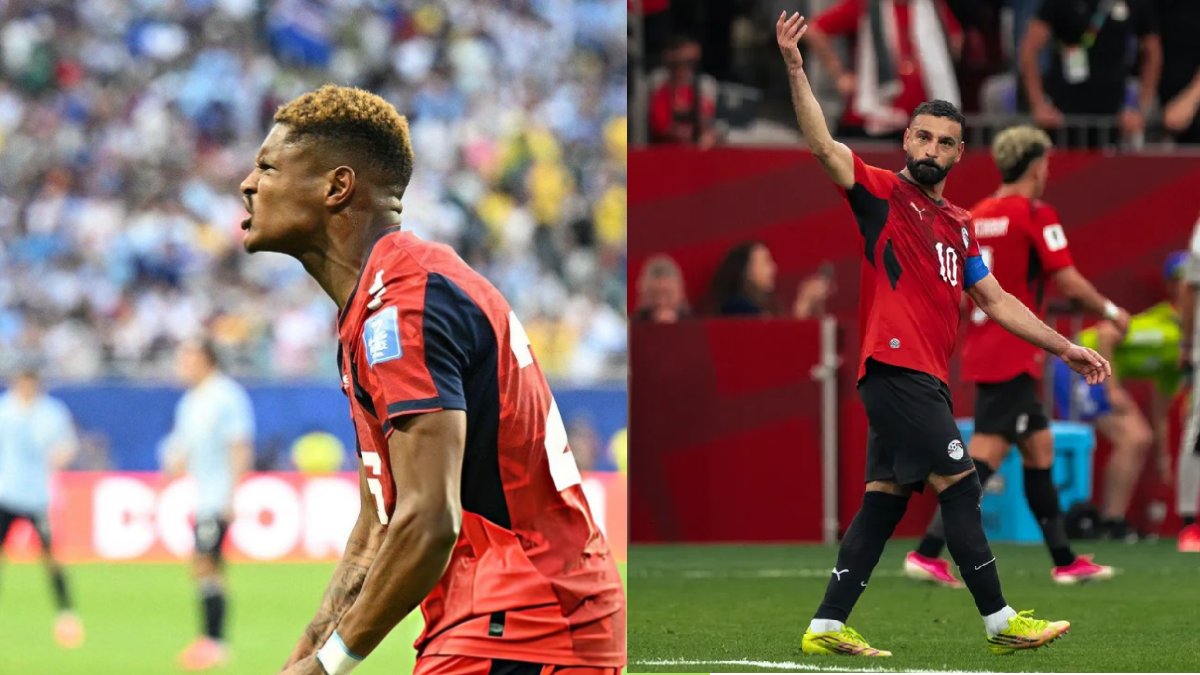
He added: “I’ve seen underdog teams that play football very well, a high-intensity style of football, and I think it’s going to be a World Cup of high-intensity football,” he said.
His words are exactly what so many fans and analysts have observed during the first games. Some smaller nations have been able to frustrate the stronger ones with aggressive pressing, disciplined defending and relentless work rate.
The gulf between football's superpowers and the world's youngest nations seems to be smaller than ever.
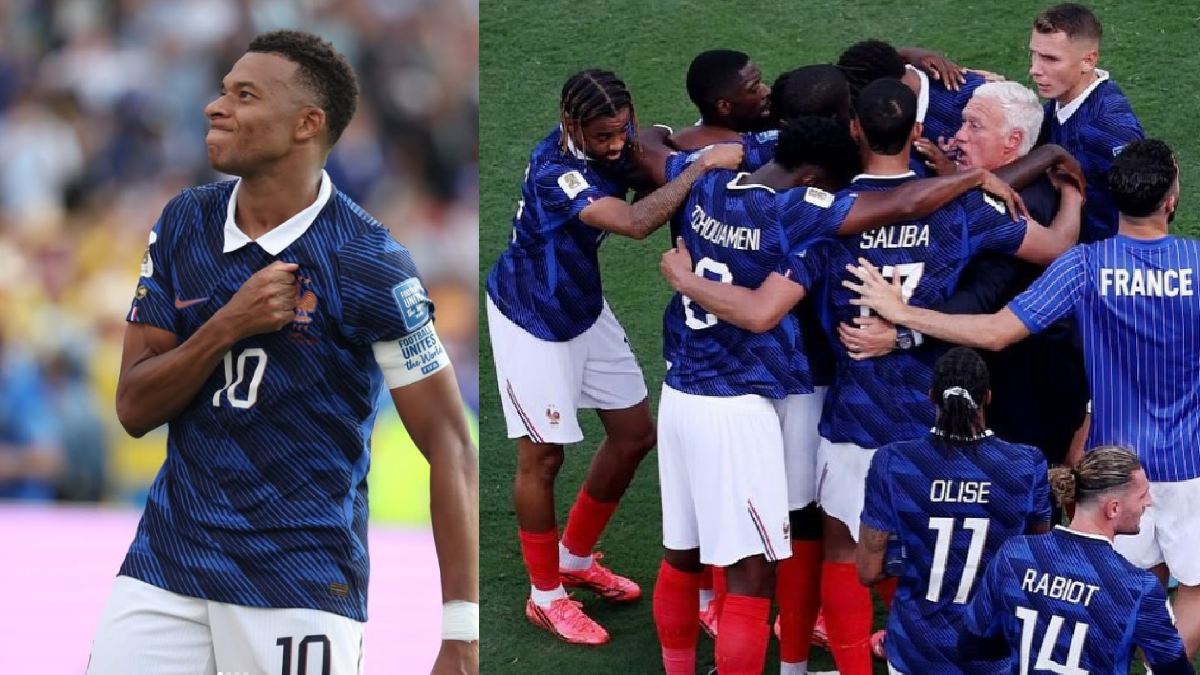
For decades, Brazil, Argentina, Germany, France and Spain could often rely on superior talent to overcome less-fancied opponents. But modern football has evolved. Tactical organization, athleticism and team discipline now allow underdogs to compete much better with football teams packed with stars.
Ancelotti stressed this change by noting the performance of the world champions Argentina, who have not always played at top speed.
“There are teams that have really stood out in this first part of the tournament. Fighting a lot, defending very aggressively with great intensity,” he added.
The message seems to be aimed at his own team as much as Brazil’s opponent.
Brazil still has one of the most talented rosters in world football. The squad is filled with technically gifted attackers, creative midfielders and experienced international stars. But Ancelotti is making it clear that talent alone isn’t enough.
The coach wants his players to match opponents physically before attempting to dominate them technically.
The draw with Morocco highlighted some of the problems Brazil still faces. They did have some possession time and opportunities and had the chance to be more creative, but they also were not able to impose themselves consistently against such an organized and determined opponent.
That experience has made the upcoming match against Haiti even more important.
Although Haiti narrowly lost their opening game against Scotland, they arrive with confidence, energy and little pressure. Teams in that position can be dangerous opponents, particularly when facing one of football’s biggest names.
For Ancelotti, the solution is simple: Brazil must earn the right to play.
His comments are indicative of a wider theme that has emerged from this World Cup. Fans may be attracted to superstar names, but tournaments are usually won by teams, not individuals. Organization, fitness, defensive commitment and collective effort are as important as moments of brilliance.
The Italian's warning is therefore both practical and philosophical.
Brazil can’t expect one player to rescue them when matches get difficult. They can’t depend on flashes of skill or moments of magic from their attacking stars. Everybody must contribute, defend and compete.
Now Brazil is preparing for Haiti, and the pressure is already building. The football world expects a response after the opening draw, but Ancelotti seems adamant that his players will approach the challenge with the right mindset.
His message is blunt but clear: this World Cup will not necessarily belong to the biggest stars. It may belong to the teams that are more aggressive, defend stronger and fight longer.
And if Brazil wants to win another World Cup title, they must first prove they are prepared for that battle.