
Sport is cruel. It has always been cruel.
It gives you dreams that can last for years, only to shatter them in a single moment. One goal, one mistake, one save, one whistle—that is often all it takes to separate immortality from heartbreak. Yet that very cruelty is what makes millions of people fall in love with sport. Fans wear their team's colors with pride, celebrate victories as if they were their own, and cry over defeats they had no control over. Sport creates a bond unlike anything else because, for a few hours, an entire nation beats with the same heart.
There is an old philosophy of sportsmanship that says: "Win with pride, but lose with dignity." It sounds simple, but in the emotional chaos of competition, it becomes one of the hardest lessons to live by.
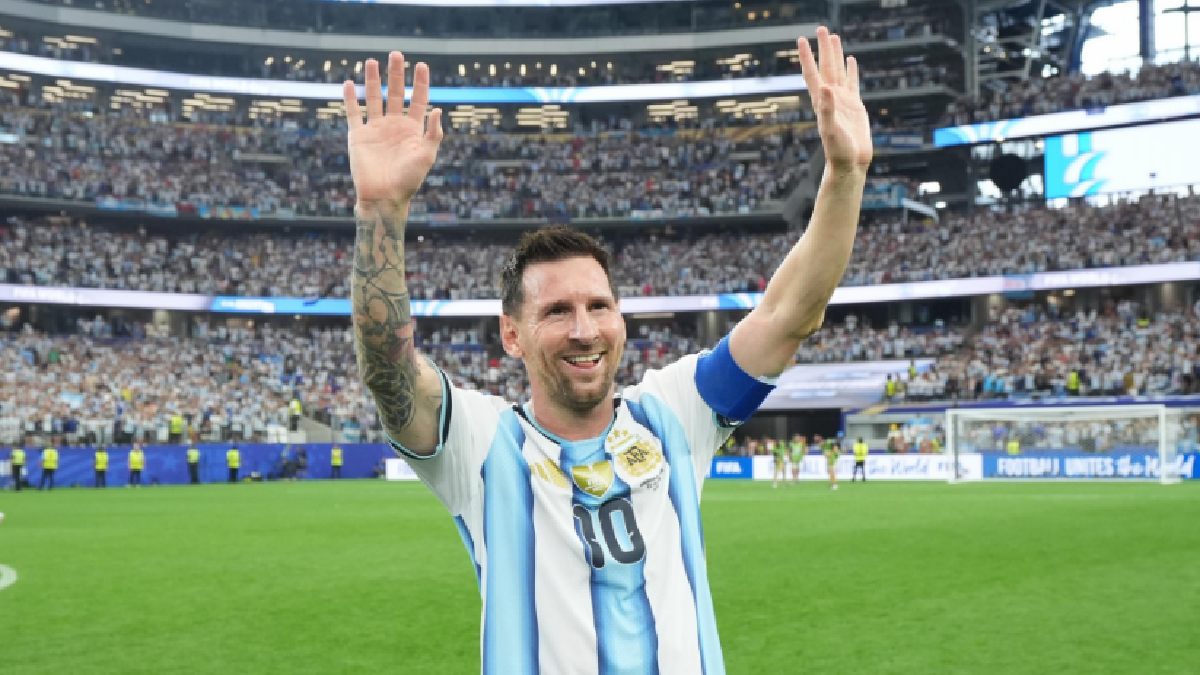
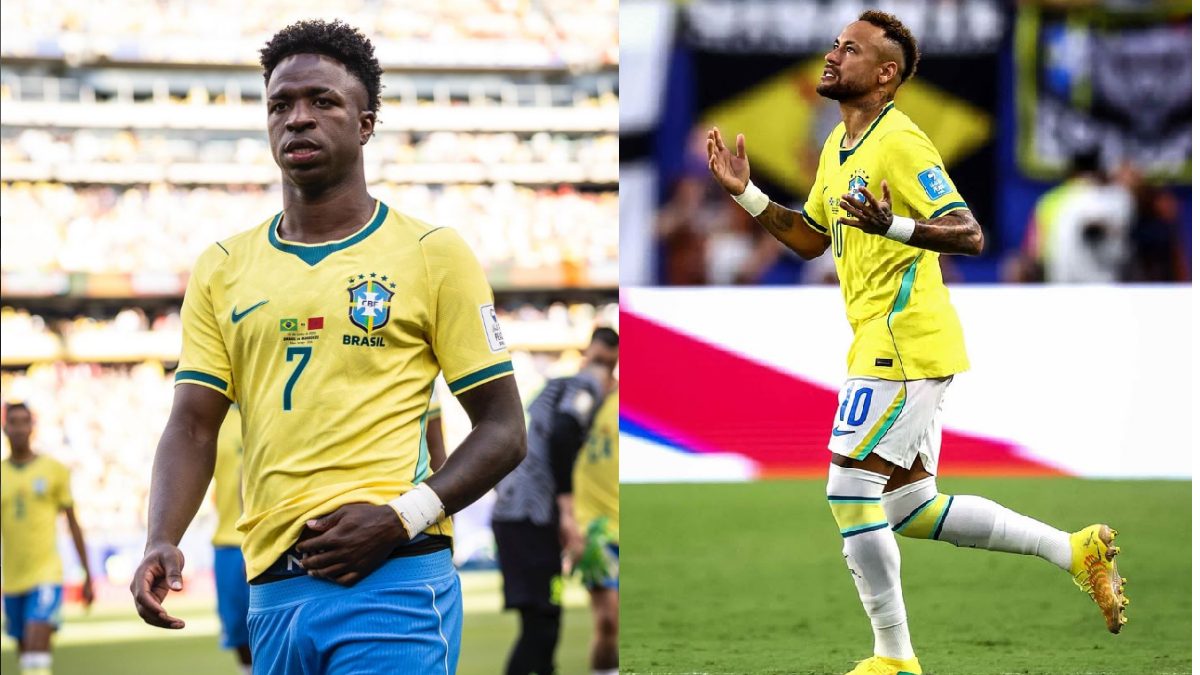
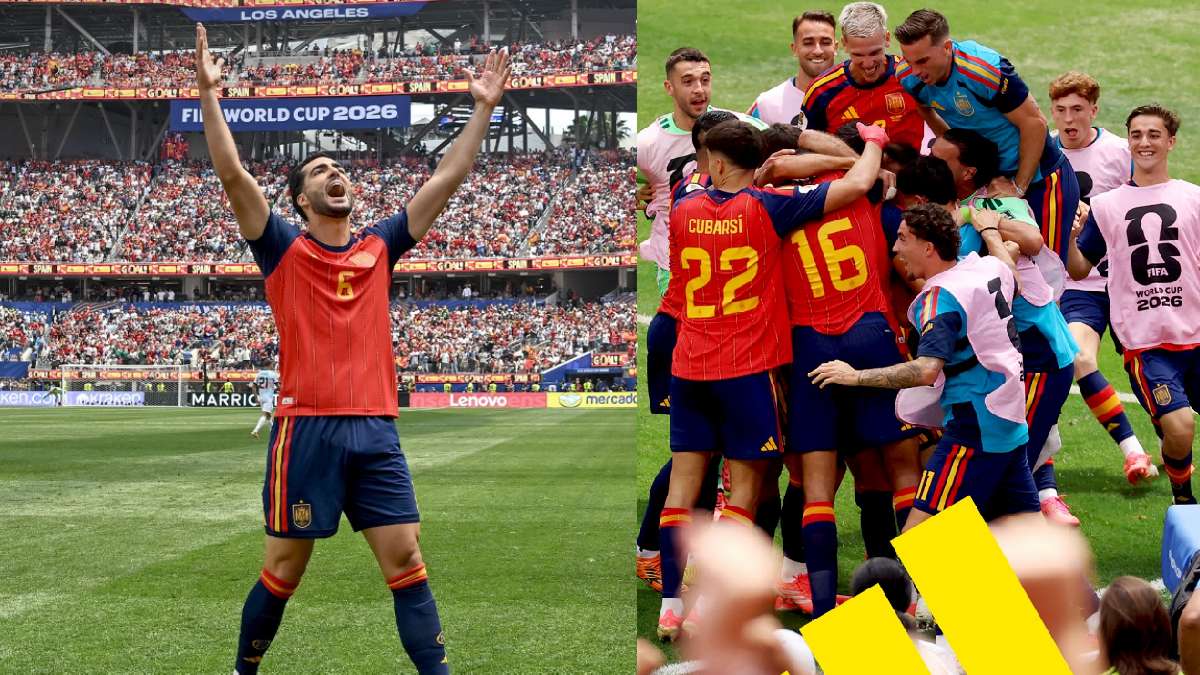
Whenever a tournament reaches its climax, the world celebrates the champions. Social media fills with photos of trophies, medals, and heroes lifting silverware into the night sky. But just a few meters away from those celebrations stands another team—silent, broken, trying to hold back tears. History remembers them as the losers.
But are they really?
The FIFA World Cup has once again reminded us that sometimes the most powerful stories belong not to the winners, but to those who walk away empty-handed.
Japan: A Bow That Spoke Louder Than Victory
When Brazil scored a dramatic 90th-minute winner against Japan, the Japanese players collapsed in disbelief. Some stared blankly into the distance, others couldn't hide their tears. Their dream had ended in the cruelest possible way.
Then came a moment that spoke louder than any victory celebration.
Japan's head coach, Hajime Moriyasu , walked onto the pitch. Before anything else, he applauded every one of his players. Then he turned toward the Japanese supporters, who were themselves in tears, and bowed deeply. It was not a gesture of surrender. It was an apology filled with respect.
Without making excuses or blaming anyone, Moriyasu silently accepted responsibility, as if saying, "I should have done better." He carried the weight so his players did not have to.
That bow may never appear beside a trophy in football history, but for many, it became one of the tournament's most unforgettable images.
Senegal: Leadership Beyond the Scoreboard
On the very same day, Belgium produced one of the greatest comeback victories of the World Cup against Senegal. Headlines around the world praised Belgium's resilience and fighting spirit.
Inside the Senegal dressing room, however, there was another story unfolding.
Captain Kalidou-Koulibaly gathered his devastated teammates. Instead of questioning them or mourning what had slipped away, he reminded them of what they had achieved.
"Be proud of yourselves. We came this far. Be proud that you can wear this badge and fight for this badge."
Those words mattered because sometimes leadership isn't about lifting a trophy. Sometimes it's about lifting broken hearts.
Cape Verde: The Small Nation That Won the World's Respect
And then came Cape Verde's story.
A country with a population of barely 600,000 people. A nation playing its first-ever FIFA World Cup.
Cape Verde arrived with little expectation but immense belief.
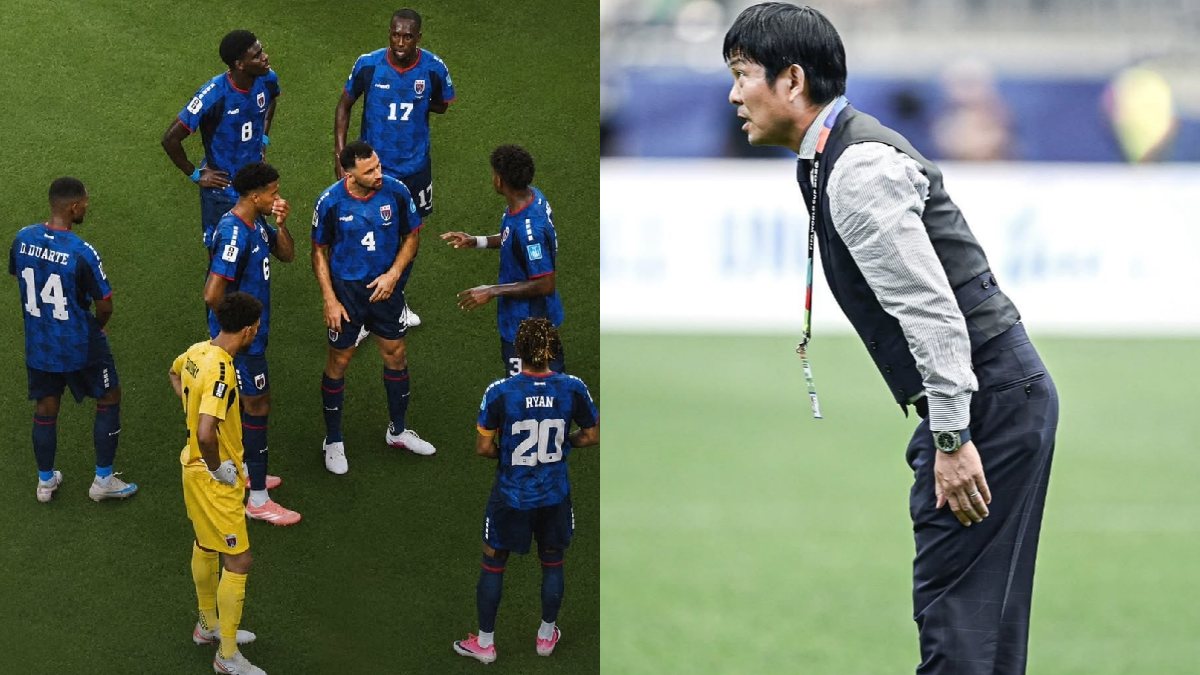
They refused to fear bigger names. They frustrated Spain. They stood firm against Uruguay. Then, in the Round of 32, they pushed defending world champions Argentina to the 111th minute, refusing to surrender until the very end.
Eventually, Argentina found the breakthrough.
The final whistle blew.
Argentine fans cried tears of joy as their team survived another battle. On the other side, Cape Verde's players sank to the ground. Their supporters wept. It looked like another heartbreaking ending.
But only for a moment.
As the silence settled, something beautiful happened. The players slowly got back onto their feet. They walked toward their supporters. Flags were raised high. Tears remained, but so did pride. Soon, supporters from both teams stood together and applauded.
Because everyone inside that stadium understood one simple truth.
Cape Verde had not lost.
They had announced themselves to the football world.
They had shown courage against giants. They had represented their country with every ounce of strength they possessed. They had inspired millions who had never believed a nation so small could dream so big.
That is not failure.
That is history.
Sport teaches us something life often forgets.
The scoreboard tells us who won the match. It does not tell us who won people's hearts.
Sometimes victory is measured in medals. Sometimes it is measured in character.
Every athlete who walks off the field after giving everything—every drop of sweat, every sprint, every tackle, every sacrifice—deserves respect, regardless of the result.
Because not every defeat is a failure.
Sometimes losing means you dared to dream.
Sometimes losing means you stood toe-to-toe with greatness.
Sometimes losing means inspiring the next generation to believe that they belong.
The world will always remember the champions.
But it will also remember the teams that refused to stop believing.
In the end, trophies gather dust. Records are broken. Champions change. But courage, resilience, and dignity never fade.
That is why people love sport so passionately.
Not because someone always wins. But because, every once in a while, a team walks away defeated... and somehow leaves the field as heroes.
Because every loss is not a loss.
Sometimes, it is the beginning of a nation's greatest victory.






Comments