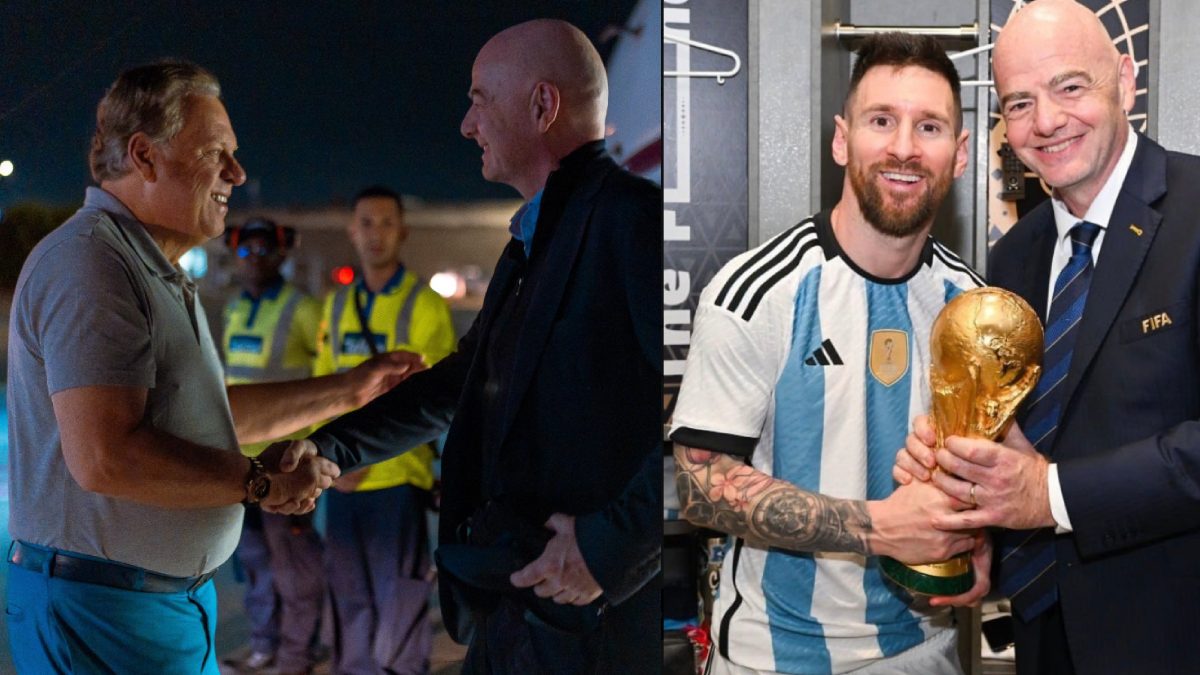
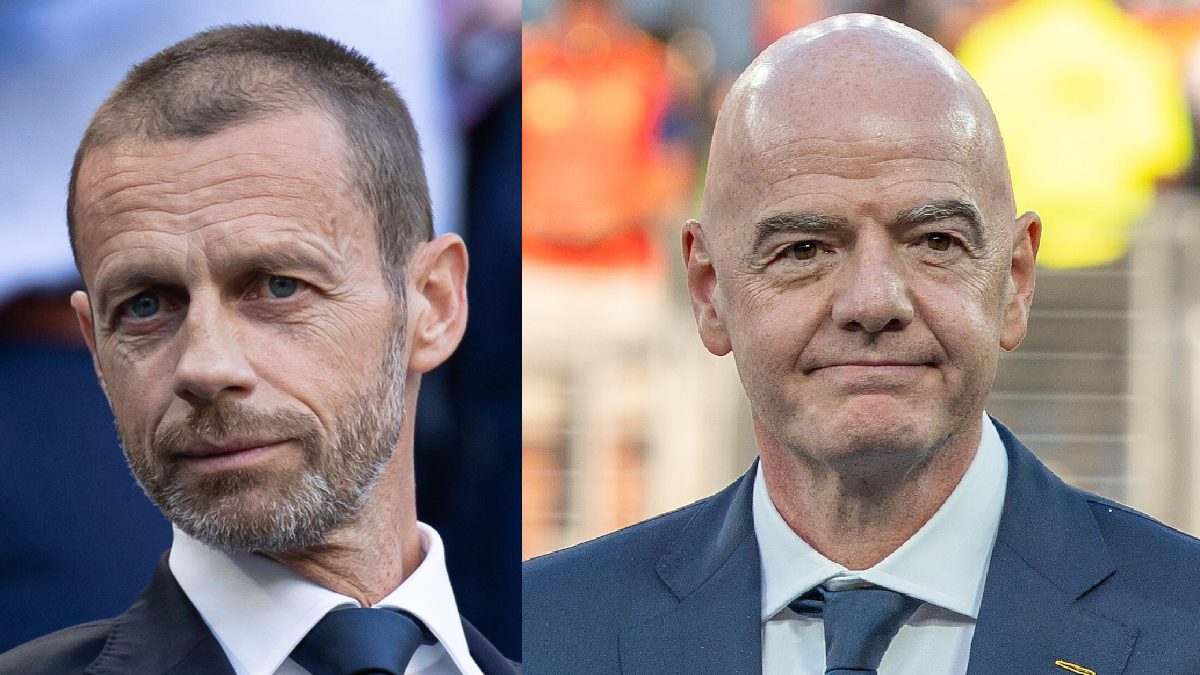
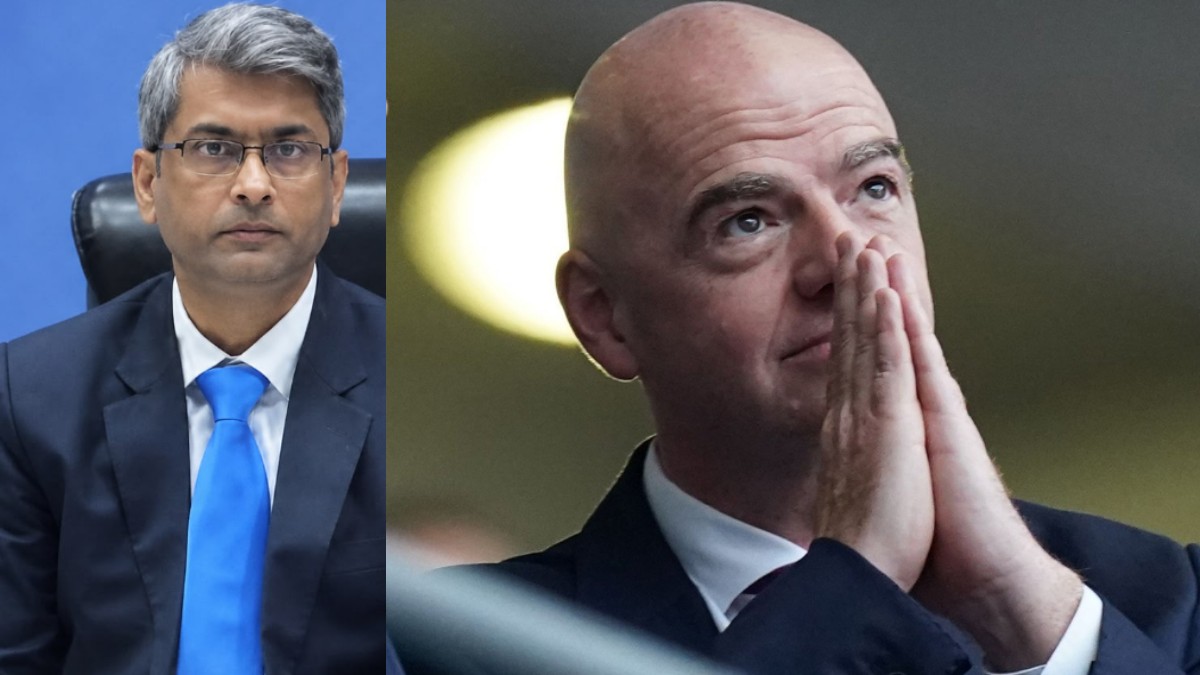
FIFA President Gianni Infantino is facing an existential crisis at a time of global revolt against his controversial proposal to sell the huge profits of World Cup revenues to private equity. The administration was rocked to tears as his senior adviser Carlos Cordeiro resigned as he was about to go into the White House for talks with U.S. President Donald Trump in his White House office. Cordeiro, a former Goldman Sachs banker and former president of the U.S. Soccer Federation who frequently traveled with Infantino to meet the president in Washington, walked away from the White House, calling the 20 billion dollar commercial affiliate plan by Joshua Kushner "a bad deal for football" in public, asserting he had no participation or knowledge of it.
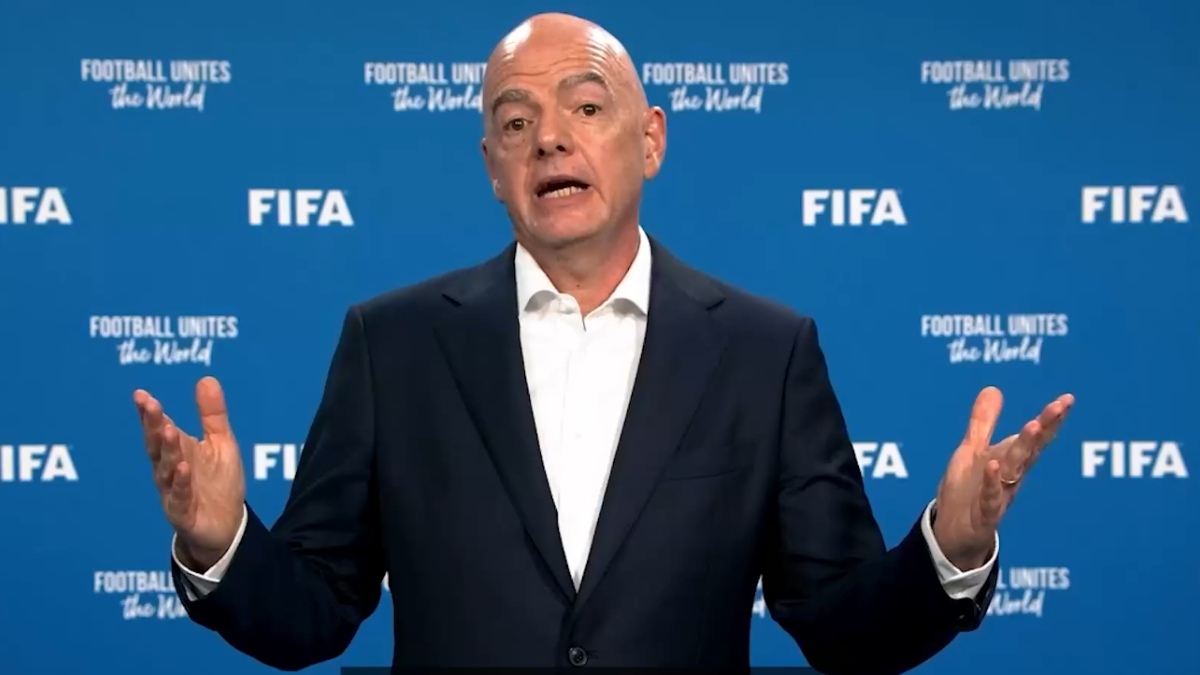
That big-name resignation and Cordeiro’s call for other senior staff members to speak out added immediate scrutiny to Infantino just a couple of days after European football governing body UEFA threatened a boycott of all the FIFA games and events unless the plan was dropped. And at the same time, North America’s CONCACAF rejected Infantino’s financial pitch, including a one-off 20 million dollar deal to individual federations in the months before a mid-September deadline for the deal to be finalized. The crisis deepened when the Asian Football Confederation (AFC)—a staunch ally during Infantino’s 11-year reign—officially joined UEFA and CONCACAF. The AFC has 46 out of 211 global members and said it stands with Europe and North America as they should never have been drawn into this position.
The main reason is Infantino's plan to spin FIFA's lucrative commercial operations, the men's and women's World Cups and Club World Cups, into a new commercial unit. The proposal aims to raise funds from private investors through a 20 percent minority stake, with Joshua Kushner, younger brother of Jared Kushner, as the anchor investor. FIFA insistently said that “nobody is selling football” and claimed inaccurate media reports were destroying its consultation process, but the AFC and other continental bodies said the plan didn’t have the broad consensus to proceed. The resistance has exposed a systemic weakness in FIFA’s opaque decision-making and consultation process.
The problem now is that opposition is widespread in FIFA’s 211 member associations and could affect tournament schedules. A European boycott around the same time is also putting the future of the Women’s Under-20 World Cup on the verge of falling apart with the start of the tournament in Poland on September 5. What was previously a smooth, unimpeded path for Infantino to win a fourth term by the March elections in Rabat, Morocco, has turned into a bitter political battle. With the November 18 deadline for presidential candidates to be selected now approaching, the future of football governance at the global level is very much in question.