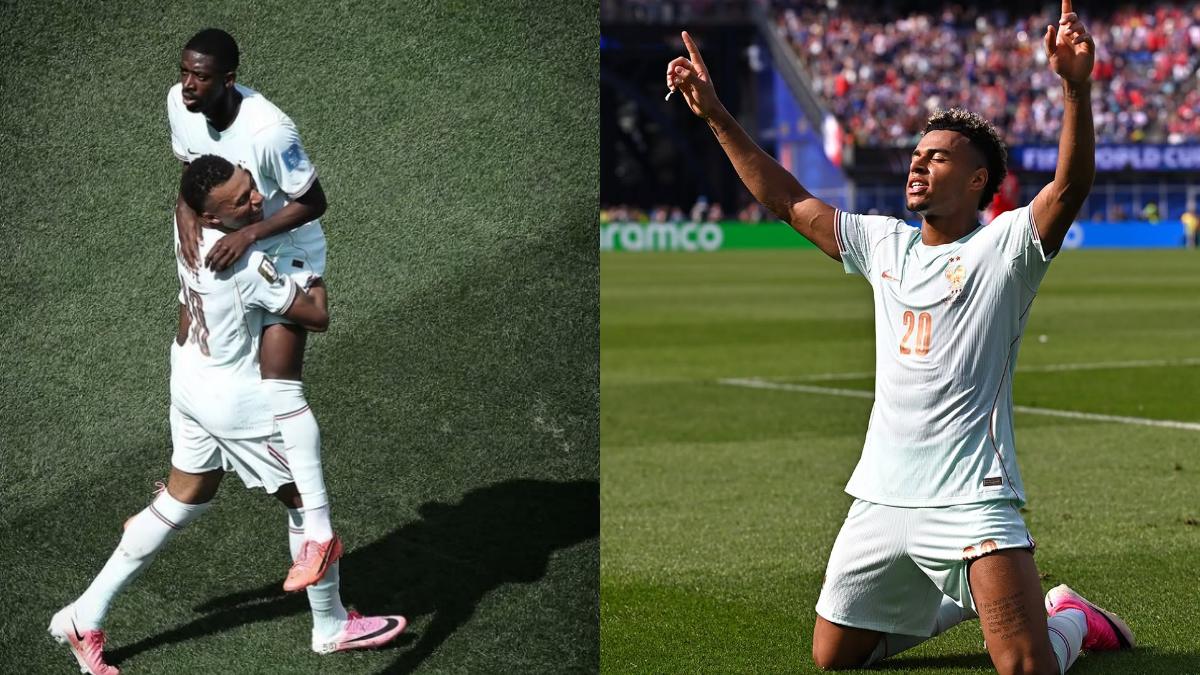
Gabriel Martinelli scored a stoppage-time winner as Brazil national football team defeated Japan national football team 2–1 in Houston to secure their place in the Round of 16, but the performance raised as many questions as it answered for Carlo Ancelotti’s side.
Japan had one of the most disciplined and tactical first half performances of the tournament. Organised, compact, aggressive without the ball, they disrupted Brazil’s rhythm from the opening whistle. Their pressing system resulted in errors in midfield and their defensive block limited space between the lines, making it difficult for Brazil’s attackers to form fluid combinations. The breakthrough came in the 29th minute when Kaishu Sano took advantage of a big turnover in the center of the field to explode forward and scored in a clinical manner to give Japan a deserved lead. That was when Brazil was unorganized, had no tempo and no clarity in the last third and Japan became very much in control of the tactical battle.
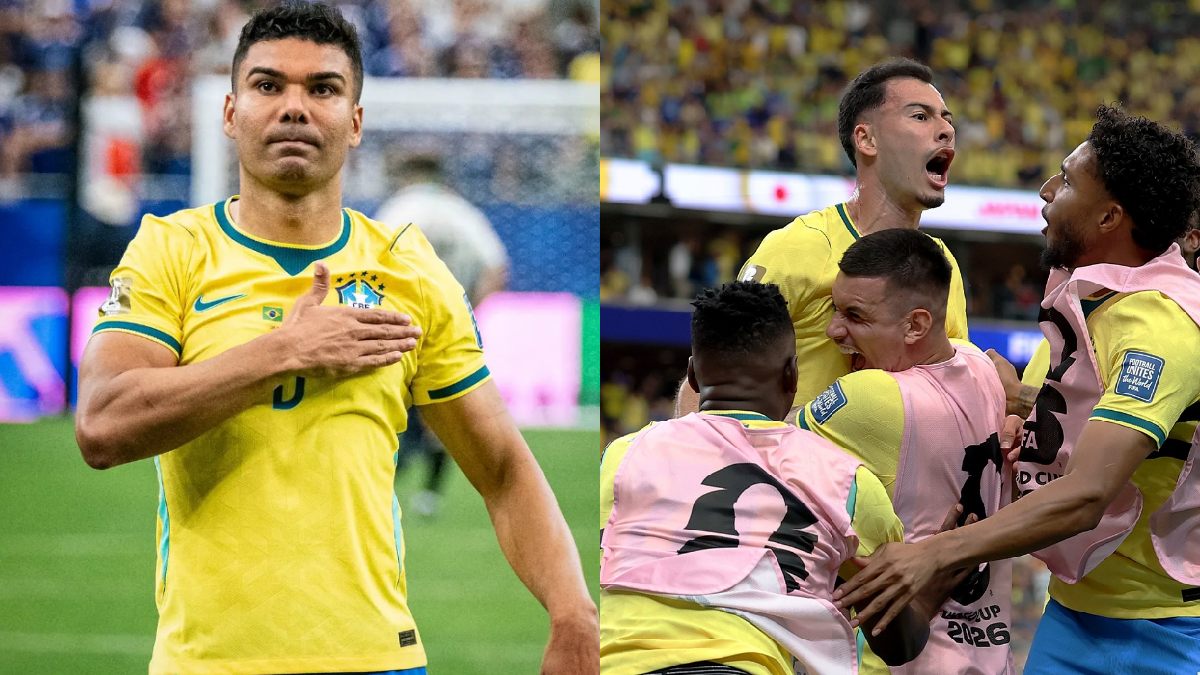
But Brazil had experience and individual ability. After a largely passive first half they got more focused after the interval. Casemiro was at the heart of the equaliser in the 56th minute as he broke Japan’s defence with a header and put the game back on track. But that goal had a big impact on momentum and Japan went deeper and Brazil was able to hold the ball for long periods of time. Japan was still dangerous on the counterattack and goalkeeper Zion Suzuki made a series of big saves to keep his side in the match.
In the final stages of the match Brazil was attacking with more urgency but could not break Japan’s structured defensive lines. Vinícius Júnior had some really good runs in the game which culminated in a shot hitting the post but overall he was inconsistent. Brazil’s reliance on wide deliveries and aerial pressure increased as Japan tired but the Asian side remained industrious and composed.
The moment came in stoppage time when substitute Gabriel Martinelli latched onto a precise through ball from Bruno Guimarães and finished calmly from close range. Japan had fought valiantly throughout and looked capable of taking the match beyond 90 minutes.

Although Brazil was proud to win qualification, the performance in terms of the long-term issues showed some of those long-term issues in the game. But the average age of the squad is still high and some key players like Casemiro, Marquinhos, Danilo and Alisson Becker are still at the heart of the team. Brazil was composed under pressure but mobility and sustainability at the highest level are still questions.
Japan, meanwhile, will reflect on another near-miss in a knockout situation. Their tactical discipline and fitness and group structure were impressive but they were again lacking the cutting edge needed in decisive moments. They were in charge of the first half but were not able to sustain pressure in the second half and not respond to Brazil’s physical and aerial dominance after the break.
In the end, this was a clash of contrasts: Japan’s organization versus Brazil’s individual brilliance, youth versus experience and control versus decisiveness. Brazil moves forward but not without warning signs, and Japan exits with respect but also frustration at what might have been.