Joe Root has now become the leading run-scorer in home Test performances, beating Australian batsman Ricky Ponting. It came at the start of England’s red-ball clash with Pakistan, and gives Root another place in the record book despite a bad run of form in the field.
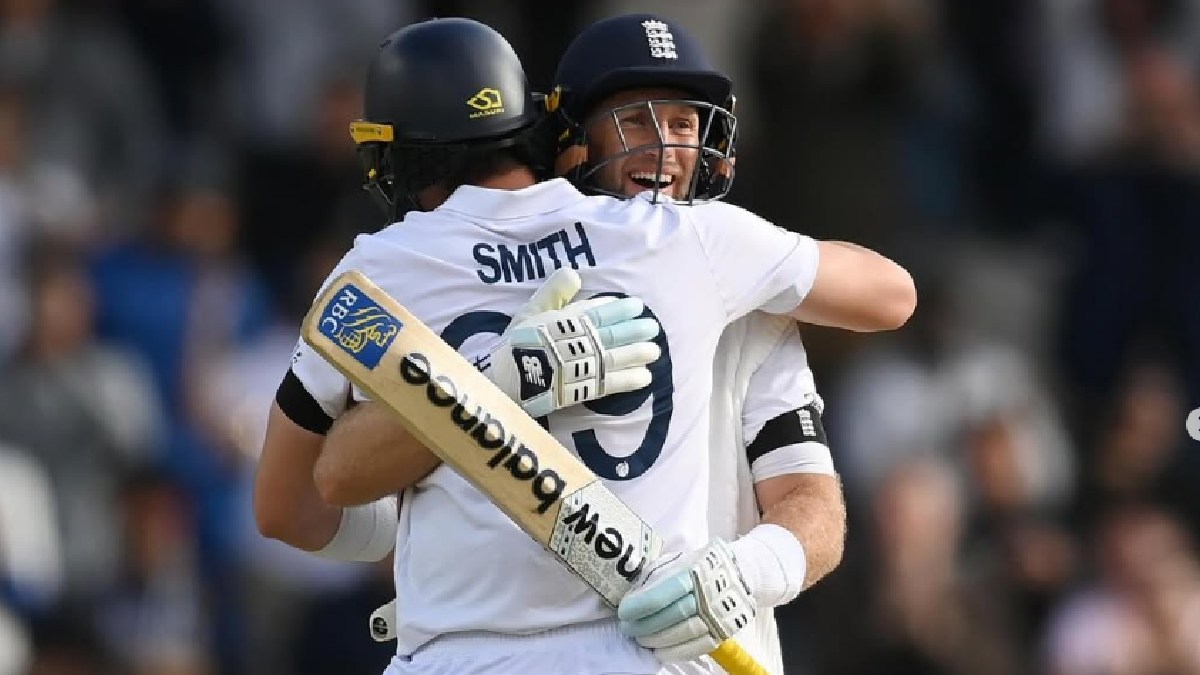
Root’s home Test run is now 7,594 runs, surpassing Ponting’s 7,578 runs in home conditions. It also underlines the England batsman’s record of consistency over his career to date and stands as one of the most productive run-scorers in Test cricket as a whole. Root has made a career of converting starts into big scores and delivering wins in long series for England.
With the latest milestone, Root moves into the top five with some of the biggest names in international cricket. Ponting remains second with 7,578 home Test runs, while India legend Sachin Tendulkar is third with 7,216 runs. Sri Lankan great Mahela Jayawardene and South African all-rounder Jacques Kallis complete the top five.
The record is significant because it illustrates sustained performance over a long Test career rather than one great series. Root has performed in English conditions and faced many different types of bowling attacks, and adapted to different pitches and weather conditions. His ability to perform well against all his generations of opponents is a defining characteristic of his career.
But the milestone came at a difficult personal stage of the ongoing series against Pakistan. Root has not been able to create the sort of big innings one would expect from one of England’s premier batters. He has accumulated 94 runs in three innings against the visiting side and has not been able to be consistent at this crucial stage of the series.
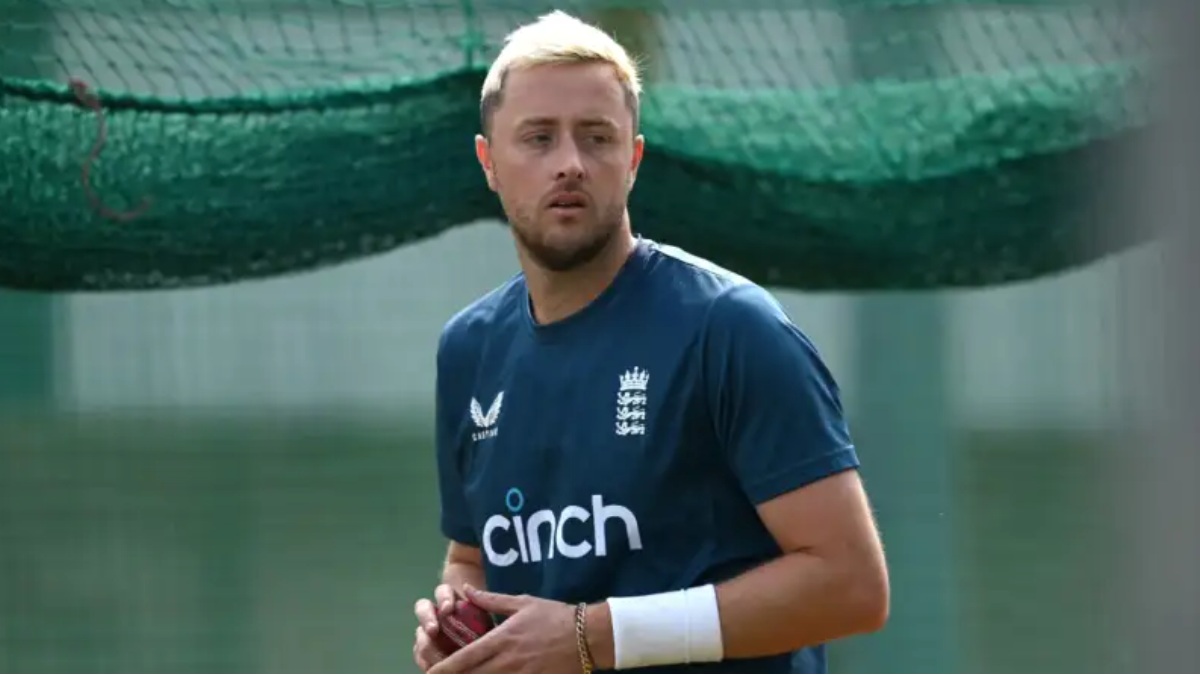
However, his batting form has been overshadowed to some extent by England’s good performance as a team. The hosts have put Pakistan under enormous pressure and their bowling attack has been effective in restricting the visitors. Root’s captaincy brings him even more attention as well when England is in the position to hold the series.
The second day of the match also saw a number of important developments. England finally finished their first innings on 290 after the lower-order partnership of Atkinson and Tongue frustrated Pakistan’s bowlers for close to an hour. The visitors then had a poor time with the bat and were only able to score 110 runs.
Pakistan’s innings featured a few moments of resistance. Azan Awais attempted to provide some stability and Babar Azam had a couple of good strokes before falling to the cordon. Saud Shakeel also showed some resistance but Pakistan was not able to build a substantial partnership. Imam was also unable to bat in the match because of a calf injury.
The hosts started the second innings with a 180-run lead in the first innings as England clinched. Early wickets briefly gave Pakistan hope before Emilio Gay and Root provided support to the innings. But Root could not turn his start into a big contribution and fell for 24 from 37 deliveries after being trapped lbw by Mohammad Ali.
The dismissal left England at 60 for three, but Harry Brook and Emilio Gay kept the hosts on top. Brook also survived a scare early on when an lbw decision against him was overturned on review when replays showed that he had edged the delivery.
At the end of day three, England had reached 81 for three in 22 overs, taking the overall lead to 261 runs. Gay was unbeaten on 30 from 69 balls while Brook was on seven from 13 deliveries. Mohammad Ali had taken one wicket for 27 runs from six overs and Mohammad Abbas had eight overs for 27 runs.
While Root will be expected to rediscover his best batting form with the bat in the rest of the series, his record is another proof of his remarkable longevity. To have passed Ponting and leapfrog in the home Test run-scoring list is another hallowed achievement in the history of a great career. Root, even when he is not playing well with the bat, is still in the thick of the game and among the best of the world Test cricket’s greatest players now.