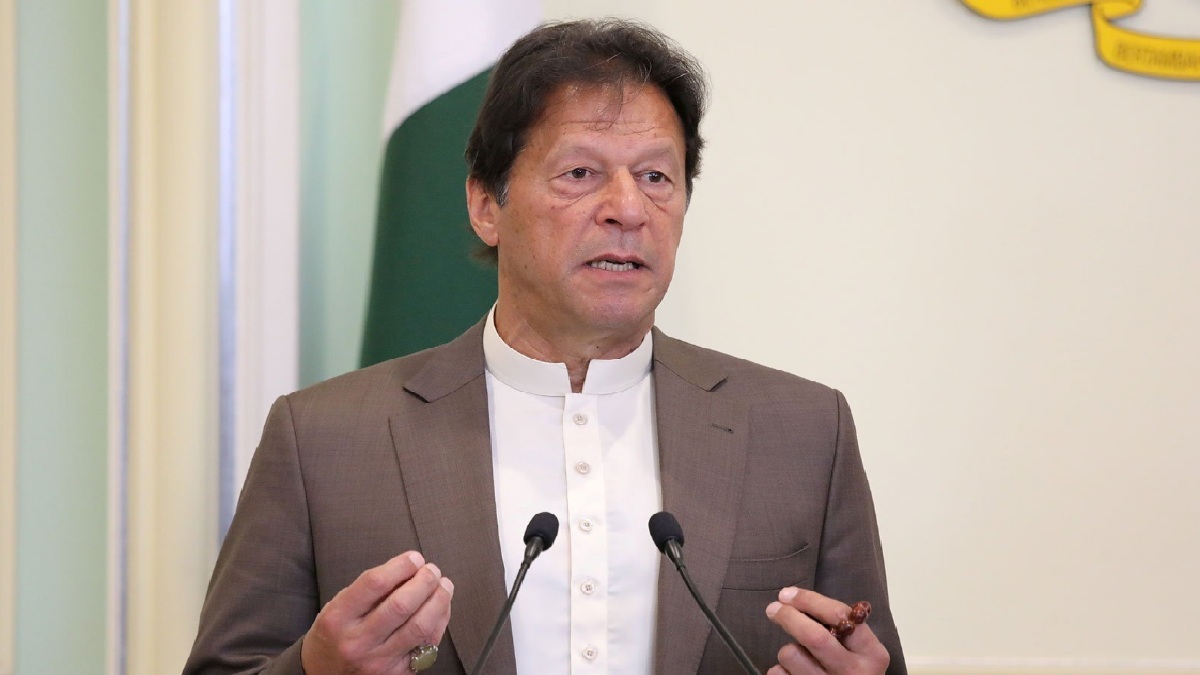
Misbah-ul-Haq, former Pakistan captain and chief selector, has criticised the Pakistan Cricket Board (PCB) for treating local and foreign coaches differently in Pakistan cricket. Misbah claimed that overseas coaches are more powerful and face less criticism, while Pakistani coaches are constantly under pressure when the team is down.
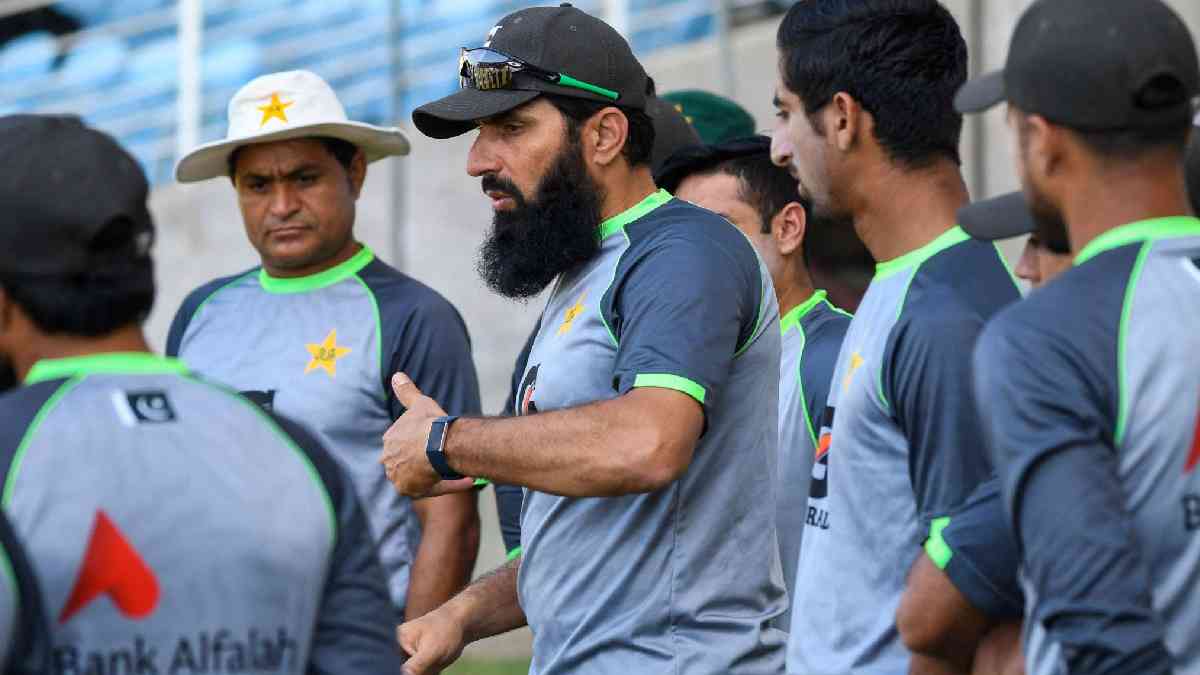
Misbah’s comments come at a time of huge change in Pakistan's coaching and selection apparatus following the team’s poor performance in the ongoing Test series against England.
Misbah-ul-Haq Questions PCB’s Treatment of Local Coaches
Misbah said there was a clear difference in how local and foreign coaches are perceived and treated.
“It is a fact that local and foreign coaches are treated differently in Pakistan cricket. Local coaches have to face more scrutiny and criticism compared to foreign coaches,” Misbah said.
The former Pakistan captain explained that he was not opposed to appointing overseas coaches. Instead, he was concerned about what he called a preference for foreign coaches among PCB members and the media and fans.

“I don’t think there is anything wrong with having foreign coaches, but what bothers me is that we tend to have a soft corner for foreign coaches,” he added.
According to Misbah, this perceived difference in treatment can affect accountability in the national setup. Foreign coaches are sometimes given greater backing even when results do not meet expectations, he said.
‘We Give Foreign Coaches More Authority and Power’
Misbah went further by saying overseas coaches are often given greater authority and decision-making power than their local counterparts.
“We tend to give foreign coaches more authority and power, and they are held less responsible if the team performs poorly. Local coaches always face scrutiny from everyone,” he said.
The comments are a continuation of a long-running debate in Pakistan cricket over the role and influence of foreign coaches. Pakistan has frequently appointed overseas coaching staff as senior national team coaches, and several former players have also taken coaching and support roles.
Misbah argues that the same standards should apply regardless of whether a coach is Pakistani or from another country. Performance, decision-making and accountability should determine the way a coach is evaluated rather than nationality, he thinks.
Misbah’s Exit From Selection Panel
The controversy comes shortly after Misbah stepped down as chairman of Pakistan’s senior men’s selection panel. He was ousted after bad relations with PCB officials over the handling of the team during the England tour in question.
According to reports, Misbah was not consulted over the decision to send seven players back home midway through the three-match Test series. The PCB made the move following Pakistan’s defeat in the second Test at Lord’s.
The board also made changes to the coaching setup. Test coach Sarfaraz Ahmed and bowling coach Umar Gul were removed after the Lord’s defeat, and white-ball coaching staff Mike Hesson and Ashley Noffke were brought into the setup ahead of the third Test.
These developments have exacerbated the uncertainty about Pakistan’s cricket administration as well as the team’s support structure.
Pakistan Aims to Salvage England Test Series
Pakistan, led by Babar Azam, will be looking to bounce back in the third and final Test match at Edgbaston in Birmingham on September 9.
After struggling in the series, Pakistan will hope to finish the tour with a victory and avoid a series defeat. The team shall also have to be closely watched as the PCB reviews coaching, selection and administrative decisions.
Misbah’s comments are likely to reignite discussions around the balance between local skill pool and international experience in Pakistan cricket. Foreign coaches can bring both international knowledge and new strategies, but Misbah’s main argument is that all coaches should be given the same level of scrutiny and accountability.
As for Pakistan cricket, the challenge will be to establish a coaching and administrative structure where appointments are largely based on performance, clarity of responsibility, and long-term results rather than whether the individuals involved are local or foreign.