Mohsin Naqvi, PCB chairman, has defended Pakistan's recent record of performances, pointing out unlikely results for other leading cricket teams, and even mentions India. Pakistan's problems in Test cricket are very well known and there is a lot of speculation on the direction of the team under PCB administration.
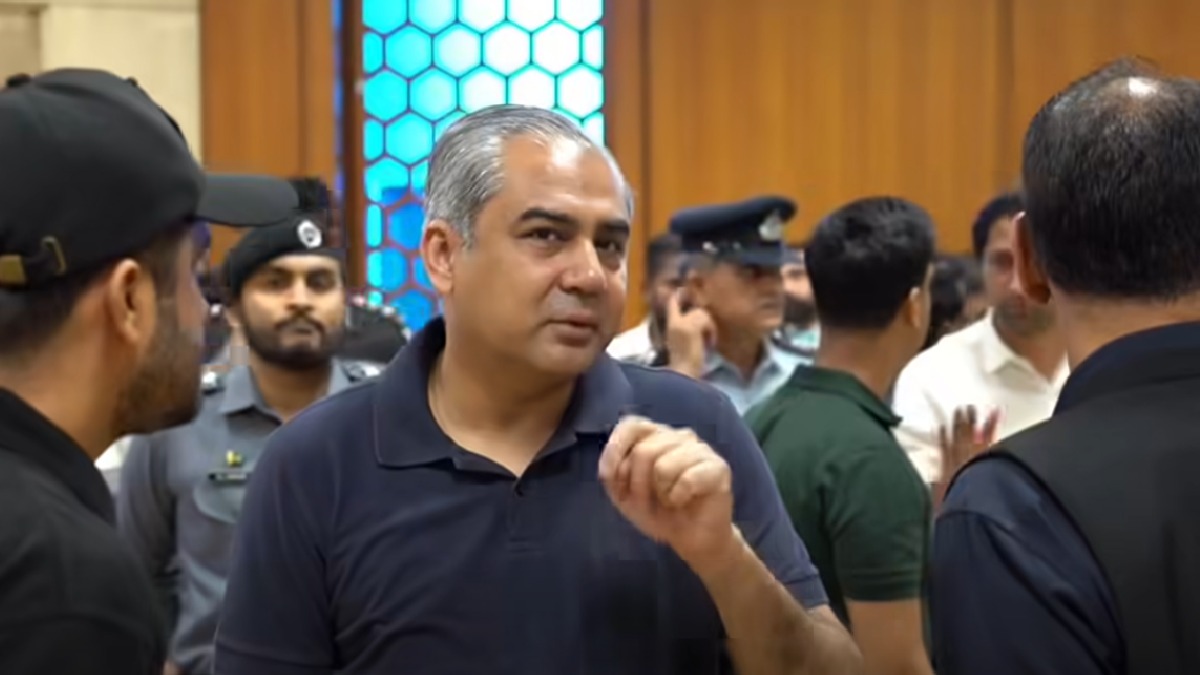
Pakistan have been under pressure after a tough run in the longest format of the game. Pakistan’s ongoing Test tour to England has also added to the pressure because Pakistan is 0-2 in the series. The performances have been worrying for the fans and former cricketers and PCB has already made changes to the team and coaching personnel on the tour.
In the face of criticism, Naqvi tried to put Pakistan’s difficulties in perspective by highlighting the unpredictable nature of international cricket. Speaking to the media in London, the PCB chief referred to defeats suffered by the world’s top teams, including India and South Africa.
“South Africa lost to Namibia, and India lost to Ireland. Did cricket end after that?” Naqvi said.
The statement was immediately noted because the reference to India came just as Naqvi was talking about criticism of Pakistan's performances. India and Pakistan are two of the most closely tracked teams in international cricket and comparisons of the neighbours often generate strong reactions from fans and social media.
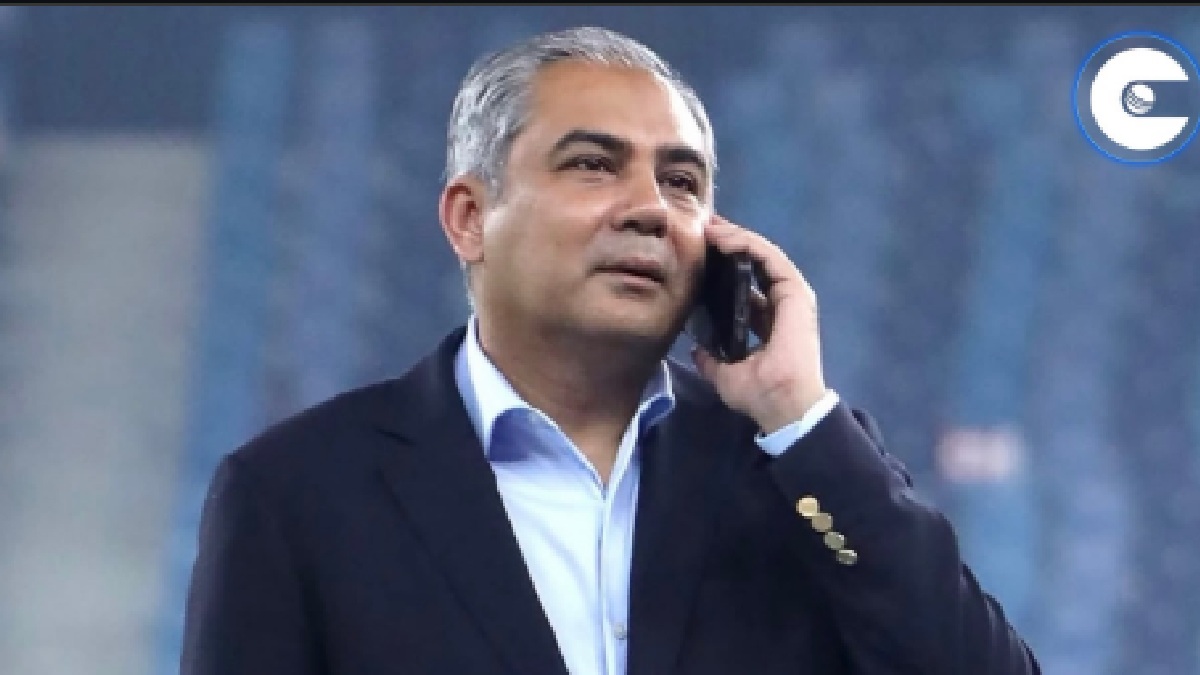
The PCB would keep making changes when the team required them, Naqvi said. He said selection of players and squad changes would be predicated on performances and the team’s needs not just on outside criticism.
“If a player isn’t performing well, what can we do? Every match and series is very important to us,” said PCB chief Mohsin Naqvi.
Pakistan’s Test record is also very poor. The team has already fallen to eighth place in the Test rankings and hasn’t been able to produce many results in the format. At the bottom of the World Test Championship stage and with teams still fighting for points ahead of the next stage of the championship cycle.
Mohsin Naqvi's message to critics. 🗣️
— Salman. (@TsMeSalman1_) September 3, 2026
"South Africa lost to Namibia, and India also lost to Ireland. Does that mean their cricket is over? No team becomes a champion overnight. Pakistan have already improved from 9th to 6th in T20Is & 8th to 5th in ODIs". pic.twitter.com/EsIqZXy3py
The series against England has exposed most of Pakistan's failures in Test cricket. Unreliable innings, poor batting performance, poor control over the ball and the team being unable to keep the momentum going in the game have all played in such a weakened position and in a poor performance, have been blamed for their failure. In addition, we’ve come to see the 0-2 deficit as such and the team’s preparations are the focus in terms of how well they have been selected, how they have got to the team’s top-order and what they have done right and how the team has chosen the right team.
The PCB has already sent seven players and two members of the coaching staff back to Pakistan midway through the tour. And so this change shows the board is taking the situation seriously and looking for an appropriate solution to it all while the team is still on a global tour.
At the same time Naqvi also highlighted what he feels are the positive developments in Pakistan’s white-ball cricket. He said the team is now at the top of the ODI rankings and that with the team’s performance in the ODI team's success in the team has been improved and has been able to progress despite the criticism of Pakistan cricket.
Pakistan has moved from eighth place to fifth on the ODI rankings as Naqvi put it. He also noted that the team has won four of its last six ODI series, which he also said is evidence that the country’s white-ball system is moving in the right direction.
“We were ranked eighth in ODIs, but now we are at number five. We played six ODI series and won four of them; yet, people say Pakistan cricket is being ruined?” Naqvi said.
He also added that Pakistan's overall success rate has improved significantly, rising from 24% to 73%. Pakistan is presently ranked fifth in ODIs and sixth in T20Is, he said.
The differences in performance across formats have made Pakistan's current cricket situation more complicated. While the white-ball results of the team may give some encouragement, the team's Test cricket problems still dominate the conversation. Success in limited-overs cricket does not necessarily translate into consistent performances in the longest format, which requires different skills, planning, and player combinations.
Naqvi’s comments also reflect the wider challenge facing cricket administrators. Building a successful international team requires consistent player development, effective selection policies, and long-term planning. Frequent changes can sometimes provide an immediate response to poor results, but sustained improvement generally depends on creating a strong domestic and development structure.
The short-term focus for Pakistan will be on improving Test cricket performance but at the same time to maintain the progress made in the shorter formats. PCB must continue to work to make sure that squad changes and coaching choices will actually yield results instead of just short-term solutions.
Naqvi’s reference to India’s defeat against Ireland has therefore added another layer to an already heated debate around Pakistan cricket. While his argument was that even top teams can suffer unexpected defeats, critics are likely to continue judging Pakistan primarily on their own performances and results.
With the competition for international cricket getting more intense, Pakistan will need consistency across formats. The team's ODI ranking is a positive but Test performances mean that there are still problems. In the coming series and tournaments, the PCB will reveal if the changes they are making will help to get Pakistan stronger on the field.