Pakistan cricket has been under intense criticism after a bad performance against England and the former Pakistan wicketkeeper-batter Rashid Latif has not only targeted Pakistan's players but also the selection committee and coaching staff. Latif described the current administration as one of the worst Pakistan has been through in over 30 years and there is more pressure on the country's cricket setup.
The criticism came after Pakistan went down in a series defeat to England on Sunday, August 30. Teams not only do you think of its performance on tour can make for an impact on the performance as a team they have been failing with the ball, but also on selection decisions and preparation. With the visitors unable to produce a competitive score to put a competitive total on the board, concerns are mounting as to whether it is not limited to the playing XI and so far they are not only about the playing XI.
As in past years, parts of the British media have described the current Pakistan team as the country’s worst touring team in around 50 years. Latif agreed with the team’s poor performance, but argued that focusing only on the players would not address what he believes is the deeper structural problem in Pakistan cricket.
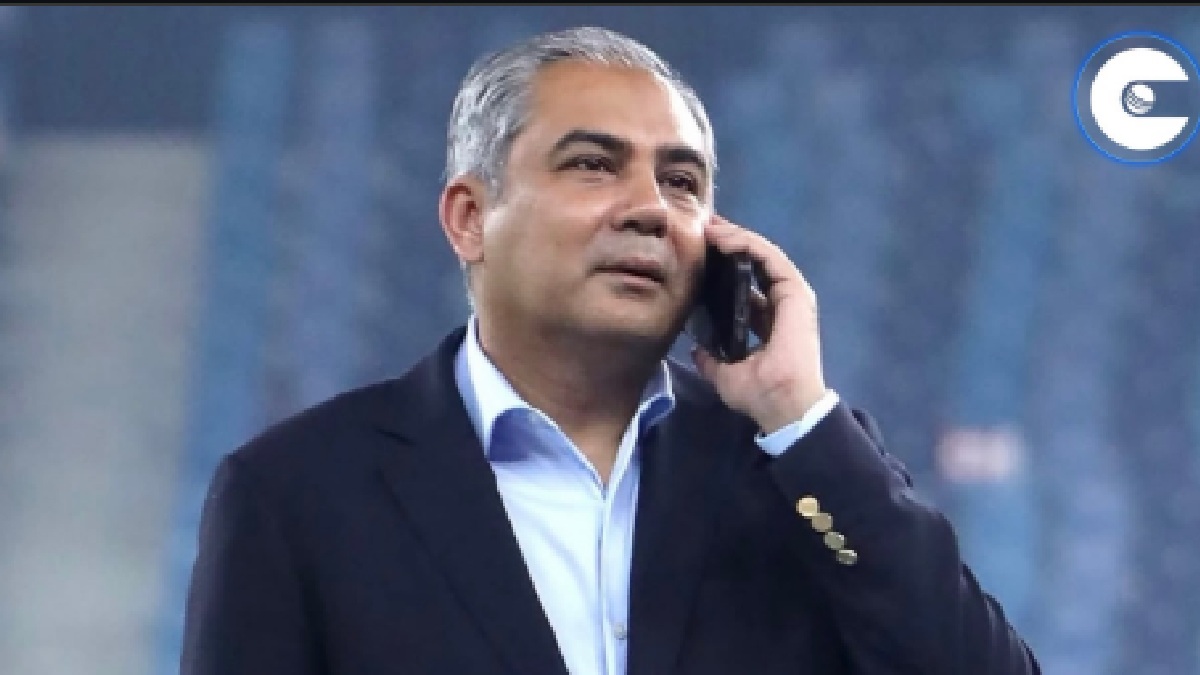
Latif spoke on Geo News and questioned the performance of the PCB leadership under chairman Mohsin Naqvi. He said the board, selection committee and coaching staff must also bear responsibility for the team’s failures.
“Everyone is talking about Pakistan team and how it’s the worst touring team in the last 50 years. But nobody is talking about how the current board is the worst in the last 70 years,” Latif said.
He also criticized the selection committee and coaching staff and claimed that their collective decisions had contributed to the team's current position. Looking at the performance of the team and not the people behind it, he added, is only part of the picture, as the former Pakistan international said.
Pakistan's Batting Struggles Continue
One of the biggest problems during the series has been Pakistan’s inability to generate even a very large total. The batsmen have not been able to turn starts into meaningful scores repeatedly in the series and therefore the bowlers are only so much left with little room for error.
Pakistan failed to cross 200 runs in any innings of the series and that statistic underlines the scale of the team’s batting problems. But in a strong England attack that can exploit weaknesses, Pakistan’s top and middle order was not able to put together partnerships or pressure on the hosts.
Babar Azam’s return to the team would provide a better batting line-up with more stability. The former Pakistan captain had missed the first match and was seen as one of the solutions for some of the team’s problems. However, Babar was not able to make any big impact, only 8 and 6.
His dismissal in the second innings was particularly concerning because it illustrated the difficulty he had to face England's pace attack. Jofra Archer troubled the experienced batter with a rising bouncer, so Babar had difficulty settling in his innings.
For a player who has been one of Pakistan’s most important batsmen for ten years now, the lack of runs has compounded the team’s problems. Babar’s lack of contributions has taken Pakistan one of its most experienced figures from a big position of strength from the very beginning.
Wider Questions Facing Pakistan Cricket
Latif’s criticism comes at a time when Pakistan cricket is struggling with consistency, leadership and long-term planning. Team combinations are often up and down, decisions on the leadership and coaching structure are being made and that has caused uncertainty in the national team.
The former wicketkeeper-batter says the problems can’t just be attributed to individual players. The board, selectors and coaching staff have to be thoroughly examined when assessing why the team has failed so miserably on an overseas tour, he adds.
Mohsin Naqvi’s criticism is an additional challenge for PCB leadership. The board is responsible for the management of the national team in the longer term in terms of appointing coaches, system selection and resources for international cricket.
As such the England series has now turned into something more than just a competition for the results. Pakistan’s failure to produce good batting performances has led to debate about the quality of preparation and selection in terms of preparation and selection, while Latif’s comments have put PCB itself in the spotlight.
Pressure Builds After England Defeat
The latest series defeat will only raise the level of scrutiny on Pakistan's cricketing structure. But fans will have high expectations for Pakistan’s national team to perform well in international cricket, especially in the best of times. But no matter how many times the side collapses in the batting side, they are still not able to push it on.
The problem is now for Pakistan's cricket authorities to understand why the team is losing and how to regain confidence in the team. Stability in selection, better tactical planning and more senior players could be some of the improvements.
Latif's criticism is a reflection of the frustration of the team after its poor England campaign. The players are responsible for the performance on the field but the former Pakistan cricketer insists that management and the support staff must be held accountable as well.
The team will need to address its batting weakness quickly as Pakistan's international schedule continues. The performances in England have exposed a lot of problems and PCB, coaching staff, selectors and players will now have to respond.
At present, the debate regarding Pakistan cricket is going to continue, with Latif's “worst board in 70 years” comment adding to the criticism on Mohsin Naqvi and PCB.