Air-based communication with a high speed Internet service from SpaceX will be a great challenge for traditional telecom operators such as Verizon Communications, AT&T and T-Mobile.

Investors are interested in the future of the satellite network as Starlink is bringing high-speed internet to far-off places in the world.
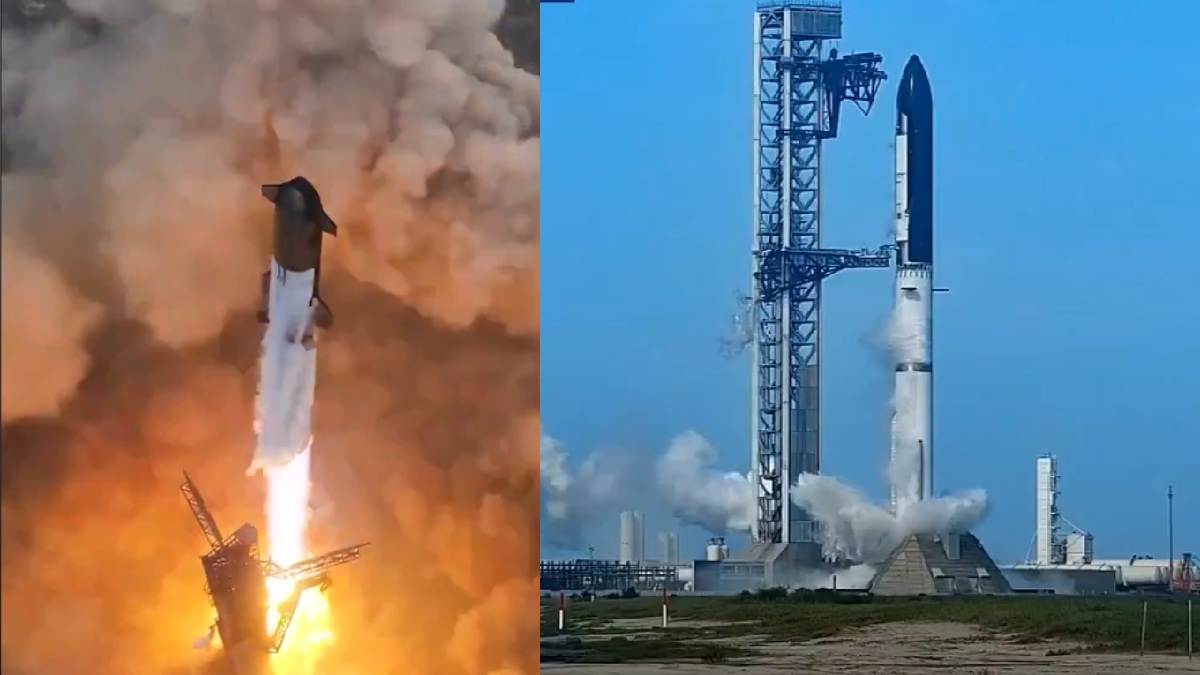
Starlink, created by SpaceX, is meant to provide reliable and fast internet access via a growing network of low Earth orbit satellites.
Unlike traditional broadband services that rely on ground-based infrastructure, Starlink can reach rural and underserved areas in which laying fiber cables is difficult and expensive.
Satellite internet has been generating concerns among telecom giants. Verizon, AT&T and T-Mobile have spent billions of dollars in building wireless networks, 5G coverage and connectivity boosting.
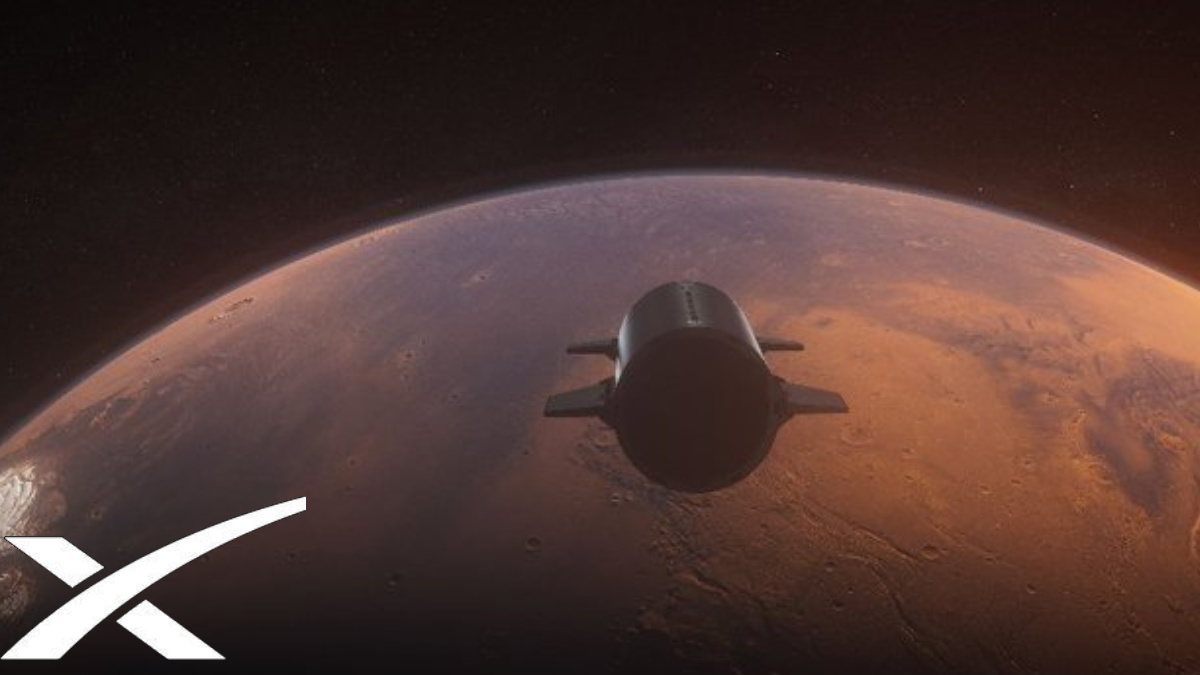
Starlink is a new competitor that could upend the traditional mode of internet delivery.
Even so, Starlink’s growth won’t necessarily bring trouble for telecom companies.
It could rather create new opportunities for partnerships, technological innovation and market expansion, to say nothing of the future.
T-Mobile has already explored working with SpaceX via satellite-to-phone connectivity plans with the aim of covering mobile areas where traditional networks are failing.
The solution would be to not only use satellite technology as an additional but also as part of existing infrastructure for telecommunications operators.
In the world of wireless network providers, Verizon and AT&T should be able to adapt to new consumer expectations and how to cope with the changing consumer expectations on what they are wanting in order to meet the needs of a new generation of customers.
Connectivity is more and more important nowadays in cities, rural areas, remote places and around the world.
Satellite technology would be another tool that telecom companies would like to use as well as satellite technology, another way of connecting their services.
Analysts believe that telecom companies with huge customer bases, large spectrum holdings and well-established networks still have big advantages.
Although Starlink may disrupt certain segments of the market, traditional telecom providers are still in a position to provide mobile and broadband services.
The competition would give consumers even better options for innovation, coverage and affordable connections and could lead to more choice.
Satellite internet technology, on the other hand, will improve so that telecom companies will likely put space based networks in line with their current networks rather than compete against them.
Investors are now sizing Starlink’s expansion as a threat to telecom stocks or an opportunity for industry transformation.
There is no clear answer but we are certain that connectivity will come to a combination of satellites, wireless networks and fiber Internet.
The rise of Starlink marks a turning point for the telecommunications sector.
Satellite internet could shift them from traditional telecom companies to new strategies and partnerships, to find new opportunities in an increasingly connected world.