Virat Kohli’s decision to retire from Test Cricket in May 2025 was the surprising end of one of the greatest red ball careers in Indian cricket. Now a year later, former Indian cricketer Mohammad Kaif has given his view on what might have been behind Kohli’s decision - that the former captain might not have been happy with the environment around him.
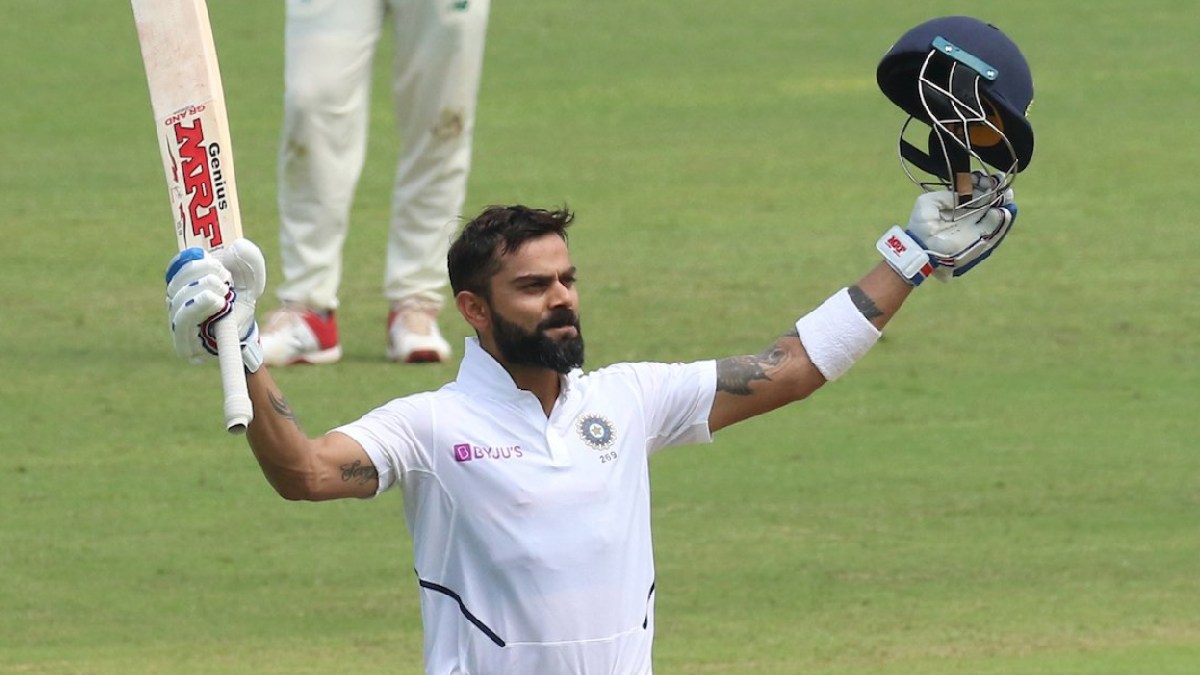
Kohli announced his Test retirement on May 12, 2025 just a few days after Rohit Sharma had also quit the red-ball game. Kohli made the decision right after India's five-Test tour in England and ended a 14-year Test career. He scored 9,230 runs in 123 Tests, made 30 centuries and 31 fifties.
Kaif told his YouTube channel that Kohli’s interviews around the time of his retirement had left him feeling like the former Indian captain was disappointed. Kohli could not feel he was being given enough importance, backing or faith in the team, Kaif said. But most importantly, Kaif was making his own interpretation; Kohli has yet to publicly state that a lack of support or dissatisfaction with the team environment was one of the reasons he left.
Kaif also pointed to Kohli’s history of recovering from difficult periods in his career. Kohli’s form had dipped, but his history showed that he would have achieved his best if he had continued playing Tests, the former India batsman said.
It was a surprise for many fans to hear Kohli's retirement at the time. He had returned in 2025 and played for Delhi in the Ranji Trophy for the first time in more than a decade. That he was still involved in red-ball cricket was, however, evidence that he would not quit the international game entirely.
Kohli’s retirement also occurred after a tough period statistically. He had scored a century in the Perth Test against Australia in November 2024 but his overall Test performance had declined compared to the peak years of his career. ESPNcricinfo reported that his average over the past 24 months had fallen to 32.56.
Despite the dip in form Kohli remained on the verge of a big career milestone. He retired with 9,230 Test runs and 770 runs short of becoming only the 16th player to reach 10,000 runs in Test cricket. His final tally put him fourth among India’s Test run-scorers, and his 30 centuries showed just how much he’s contributed to the game.
Kohli’s last Test was in Sydney in the 2024-25 Border-Gavaskar Trophy. India lost 3-1 to Australia, who won the Border-Gavaskar Trophy. Kohli’s final test career appearance was only a few months before he announced his retirement.
The former India captain’s contribution was not limited to his batting numbers. Kohli led India in 68 Tests and achieved 40 wins (which made him the country’s most successful Test captain by wins). Under his captaincy India advanced to the final of the first World Test Championship and became the first Asian team to win a Test series in Australia in 2018-19.
Kohli's retirement followed Rohit Sharma's decision to leave Test cricket on May 7, 2025. Rohit said that he would continue playing ODIs, and both senior stars moved away from red-ball cricket within the same week.
Kohli himself did not cite a lack of backing or dissatisfaction with the environment in his retirement announcement. He spoke on his personal connection with Test cricket and feeling that it was the right time to walk away. He described the format as something that had tested and shaped him and said he was leaving with gratitude for his career.
Kaif’s comments therefore add another perspective to the discussion surrounding one of the biggest retirement decisions in recent Indian cricket. Kohli may have felt undervalued or undersupported, he thinks, by the official explanation from Kohli himself rather than something that was related to a specific dispute with Indian team management.
Kohli’s Test career is still defined by his numbers, leadership and impact in Indian red-ball cricket. While questions around why he chose to retire at 36 are probably going to continue and Kaif’s thoughts can only be read as an interpretation rather than as a clear answer from Kohli himself.