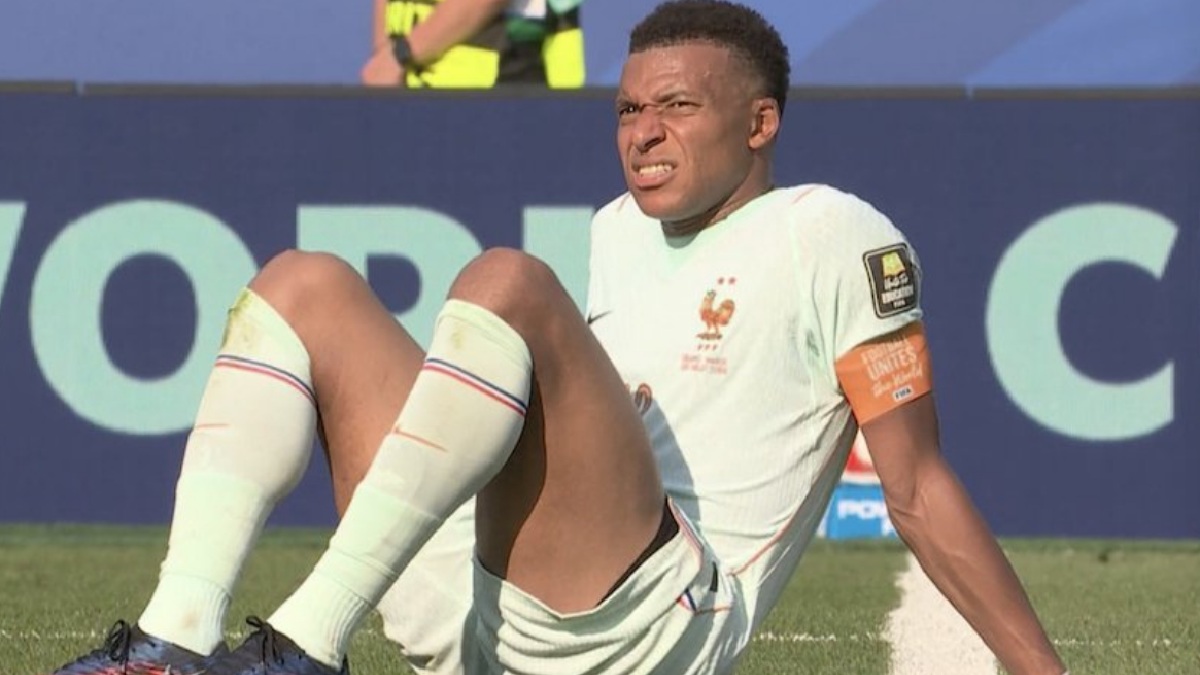
One name has grabbed the attention of many Indian football fans around the world when the FIFA World Cup of 2026 comes around: Sarpreet Singh.
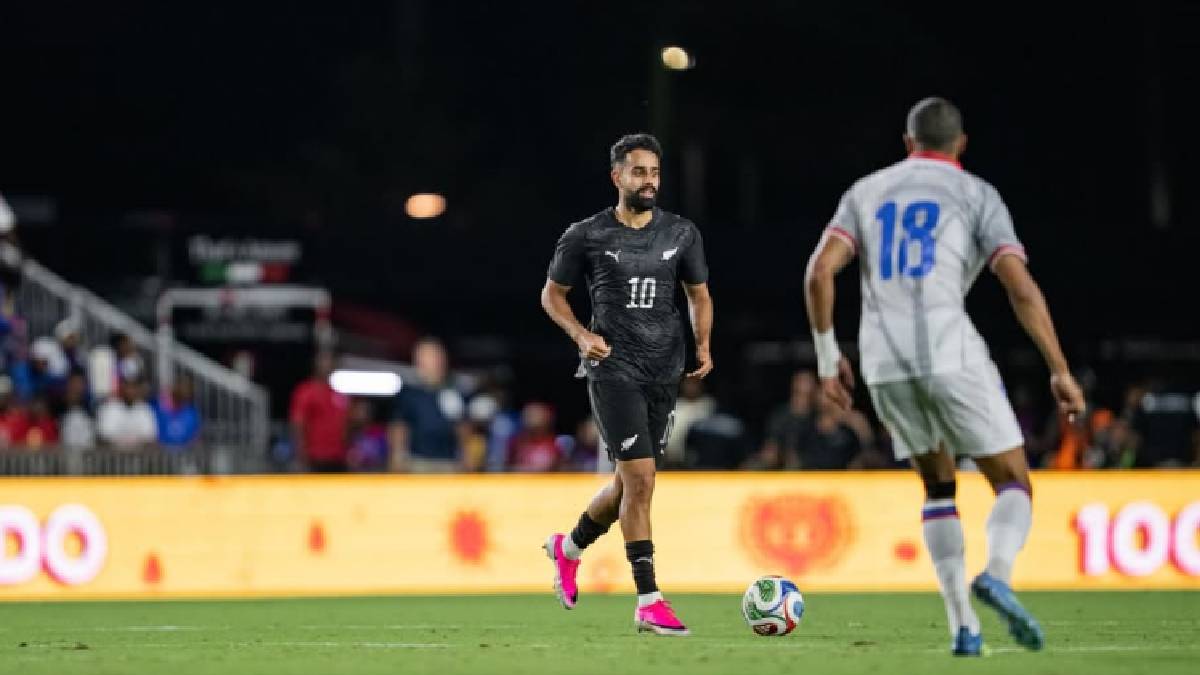
The New Zealand international is not representing India. He was not created by Indian football academies. Yet, as a Punjabi man, many Indian fans are following his journey closely. And while the World Cup has become an accomplishment for some and for others the World Cup has made him proud, it has also made frustration, anger and a wider debate about Indian football all the more visible.
Born February 20, 1999 in Auckland, Sarpreet Singh was born son of parents who left Jalandhar, Punjab, to settle in New Zealand. His family ran a grocery store and young Sarpreet harboured a passion for football at an early age. He entered the Wynton Rufer Soccer Academy at seven years of age and moved on to Wellington Phoenix Academy.
His talents were immediately apparent. Singh represented New Zealand at various youth levels and impressed scouts in the FIFA Under-20 World Cup. In 2019, he got a dream move to Bayern Munich that would make him the first player of Indian descent to have played in the Bundesliga under coach Hansi Flick.
Sarpreet Singh is living a dream for millions of footballers today. But for many Indian fans his World Cup appearance poses a painful question:
If a player of Indian origin can reach the World Cup, why can't India?
This question has divided social media into two very different camps.
One section of fans is celebrating Singh’s success at the highest level of world football as proof of that. For them, watching an Indian-born player playing in football's most elite stage is more than just a matter of pride for a country. And the other side is far less celebratory.
Many fans have taken Singh’s story as an opportunity to criticize Indian football administrators and the development system of the country. Their argument is simple: India has a population of more than 1.4 billion people and no shortage of athletic talent. But the national team is not involved in the World Cup and even Indian players of Indian descent are winning in the middle of the world.
Social media has been rife with comparisons between football development structures in countries like New Zealand, Australia, Germany, and India. The problem, the critics say, isn’t talent but infrastructure, grassroots development, coaching standards, scouting networks, and long-term planning.
From these fans' point of view, Sarpreet Singh’s journey is a reminder of what could have happened if Indian football had also provided young players with such opportunities. And yet the real world is more complicated. Singh’s success is a product of years of professional coaching with the competitive youth game and a development path that took him to elite European football. His story is not necessarily evidence that India is overflowing with future World Cup stars who are being ignored.
But the feelings of his World Cup appearance illustrate something significant.
Indian football fans are tired of waiting.
They are proud when Indian players of Indian origin succeed on the global stage, but that pride is increasingly mixed with frustration about India's continued absence from football’s biggest tournament. As Sarpreet Singh takes the field at the World Cup, he carries more than New Zealand’s hopes. For many Indian fans, he is a symbol of both inspiration and missed opportunities. And perhaps that is why his story is generating such strong reactions across the football-loving nation.